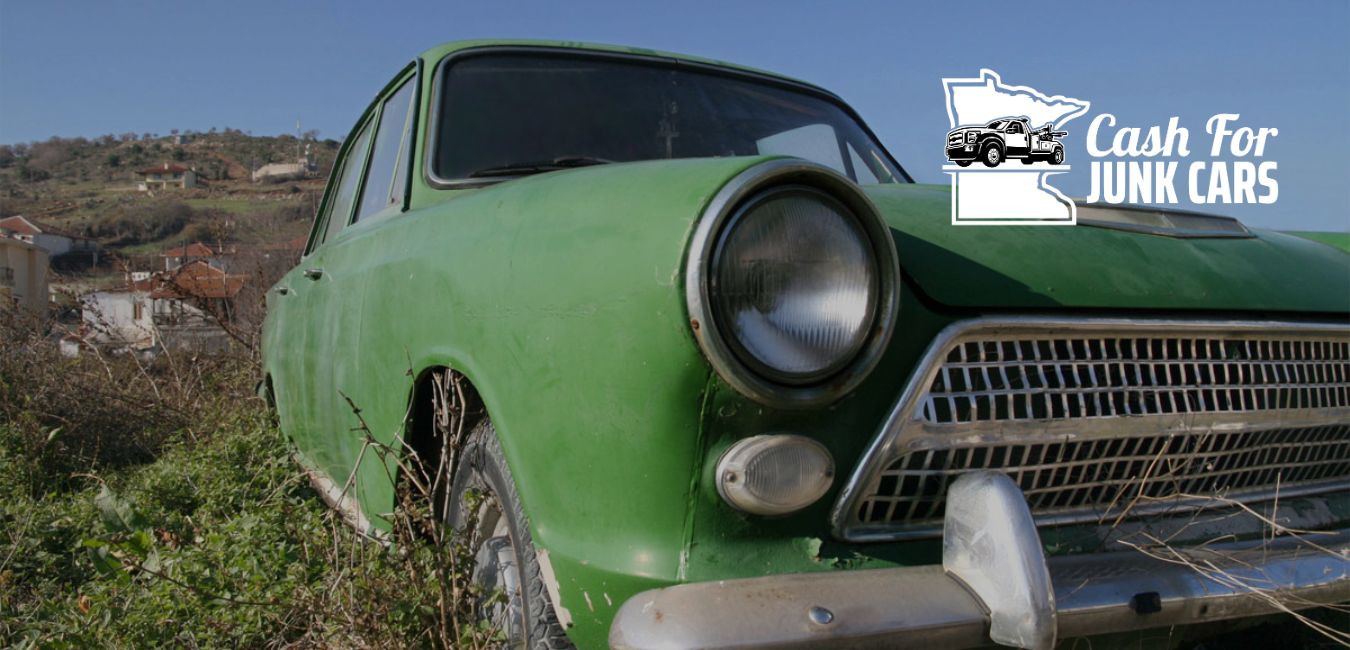
Are you stuck with a junk car that’s become nothing more than a rusted relic in your garage? If you’re wondering how to rid yourself of this automotive eyesore, you’ve come to the right place.
Whether you’re looking to sell it, trade it in, or even donate it to a charitable cause, we’ve got you covered. So, let’s discover the answer to the burning question: “How do I get rid of a junk car?” Let’s hit the road to freedom!
Table of Contents
Assess Condition And Value
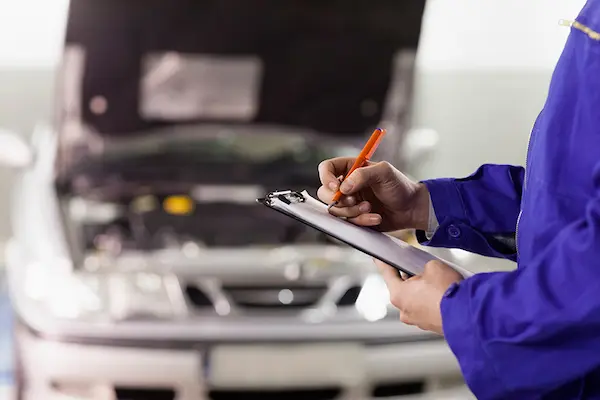
Before deciding how to get rid of your junk car, it’s important to assess its condition and value. This step will help you make informed decisions and maximize your returns. Here are 2 key aspects to consider:
Evaluate The Car’s Condition And Market Value
Take a close look at your junk car and assess its overall condition. Consider factors such as the extent of damage, mechanical issues, mileage, and overall wear and tear.
This evaluation will help you determine its current market value. Research online platforms, local dealerships, and classified ads to get an idea of what similar vehicles in similar condition are being sold for.
Consider Salvageable Parts And Sentimental Value
If your junk car has any salvageable parts in good condition, such as a working engine, transmission, or valuable components, it could be worth more in pieces than as a whole.
Research the market for used car parts and determine if it’s financially viable to sell them individually.
Additionally, consider any sentimental value attached to the vehicle. If it holds special memories or sentimental value to you or your family, it might influence your decision on how to dispose of it.
Research Disposal Options
Once you have assessed the condition and value of your junk car, it’s time to explore the various disposal options available to you. Consider the 3 following possibilities:
Selling To Salvage Yards Or Scrap Metal Buyers
Junkyards and scrap metal buyers are often interested in purchasing junk cars for their parts or scrap value. Contact local salvage yards or metal recycling companies to inquire about their buying process and the price they are willing to offer for your vehicle.
Keep in mind that the price may be based on the weight of the car and the current market value of scrap metal.
Checking Online Platforms For Potential Buyers
Online marketplaces, such as classified ad websites or car-selling platforms, provide opportunities to connect with potential buyers interested in junk cars.
Take clear photos of your vehicle and create an appealing listing that highlights its salvageable parts or potential for restoration. Be transparent about its condition to attract genuine buyers.
Investigating Donation Programs Or Charities
If your junk car holds little monetary value or if you’re inclined to support a charitable cause, consider donating it to a reputable organization. Some charities have vehicle donation programs where they either use the car for their operations or sell it to raise funds.
Research charities in your area that accept car donations and inquire about the process and any potential tax benefits you may receive.
Selling Or Donating

Once you have researched the disposal options for your junk car, it’s time to proceed with selling or donating it. To ensure a smooth transaction, follow the 3 essential steps:
Gather Necessary Paperwork
Before selling or donating your junk car, gather all the relevant paperwork. This typically includes the vehicle title, registration, and any maintenance records you may have.
Check with your local Department of Motor Vehicles (DMV) or equivalent authority to confirm the specific documentation requirements for transferring ownership.
Obtain Multiple Quotes Or Negotiate Terms
If you’ve decided to sell your junk car, reach out to multiple potential buyers, such as salvage yards, scrap metal buyers, or interested individuals.
Obtain quotes from each of them and compare offers. Don’t hesitate to negotiate terms to secure the best possible deal. Be prepared to provide accurate information about the car’s condition and answer any questions the buyers may have.
Transfer Ownership Properly
Whether you sell your junk car or donate it, it’s crucial to transfer ownership correctly. When selling, follow the guidelines provided by your local DMV to complete the necessary paperwork, such as a bill of sale.
If donating, ensure that the charity or organization provides you with the required documentation for the transfer. This step is essential to avoid any future liabilities or legal complications.
Recycling And Disposal
Once you have sold or donated your junk car, it’s time to responsibly recycle or dispose of the remaining vehicle. Follow these 3 important steps to ensure an environmentally-friendly process:
Find Certified Recycling Centers
Look for certified auto recycling centers or scrapyards in your area that adhere to proper environmental and safety standards. These facilities have the expertise to handle the dismantling and recycling of vehicles in an environmentally responsible manner. Contact them to inquire about their services and any requirements they may have for dropping off your junk car.
Dispose Of Fluids And Remove Personal Items
Before sending your car off for recycling or disposal, ensure that all fluids are properly drained and disposed of. This includes engine oil, transmission fluid, coolant, and any other hazardous substances.
Consult your local recycling or waste disposal facility for guidance on how to safely handle and dispose of these fluids. Additionally, remove any personal belongings from the vehicle to avoid losing valuable items.
Handle Hazardous Materials Appropriately
Some junk cars may contain hazardous materials such as lead-acid batteries, mercury switches, or airbags. It’s crucial to handle these materials with care and dispose of them properly.
Local recycling centers or hazardous waste facilities can provide guidance on how to safely handle and dispose of these items according to local regulations.
Canceling Insurance And Registration
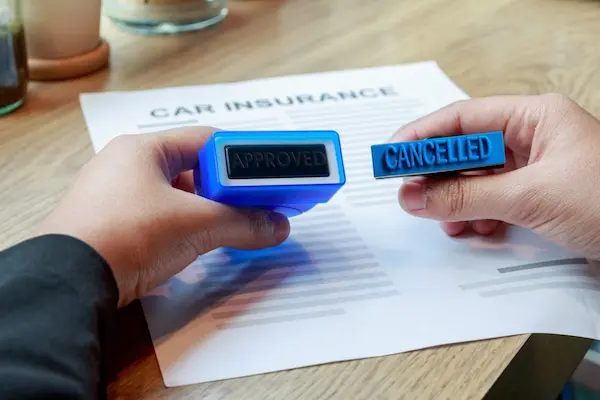
Now that you have disposed of your junk car, it’s important to take care of the administrative tasks associated with canceling insurance coverage and registration. Follow these steps to complete the process:
Contact The Insurance Provider To Cancel Coverage
Reach out to your auto insurance provider and inform them that you have disposed of your junk car. Provide them with the necessary details, such as the vehicle identification number (VIN) and the disposal date.
They will guide you through the cancellation process and discuss any potential refunds or adjustments to your policy. Keeping insurance coverage on a vehicle you no longer possess is unnecessary and may result in unnecessary expenses.
Notify The Local DMV To Cancel The Registration
Contact your local Department of Motor Vehicles (DMV) or equivalent agency to inform them about the disposal of your junk car. They will provide you with the required steps to cancel the vehicle registration.
This typically involves submitting a notification form or providing documentation that confirms the disposal. By canceling the registration, you can avoid any future fees or legal obligations associated with the vehicle.
Finalize The Process
To wrap up the disposal of your junk car, there are a few final steps to take. Follow these guidelines to ensure a smooth conclusion to the process:
Sign Necessary Paperwork For Ownership Transfer
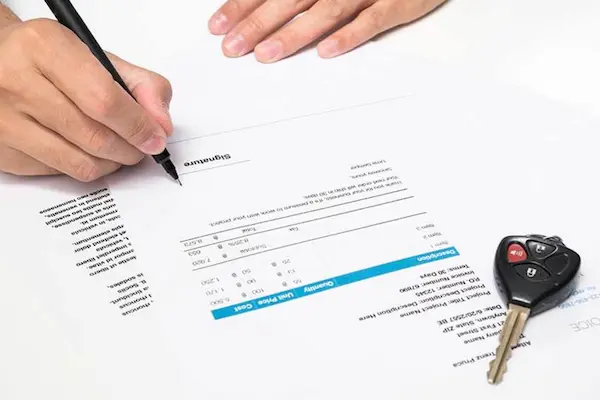
If you sell your junk car, make sure to sign any necessary paperwork for the transfer of ownership. This could include a bill of sale or other documents required by your local DMV.
Ensure that both parties involved in the transaction have signed the appropriate documents to legally transfer ownership of the vehicle.
Collect Payment Or Obtain A Donation Receipt
If you sell your junk car, collect the agreed-upon payment from the buyer. Ensure that you receive the full amount as agreed upon.
If you donated your vehicle, request a donation receipt from the charity or organization as proof of your contribution. This receipt can be used for tax purposes, so keep it in a safe place.
Keep Records For Reference
Throughout the entire process, maintain a record of all relevant documents, including paperwork related to the sale, donation, cancellation of insurance, and registration.
These records will serve as a reference in case any issues arise in the future or for tax purposes if applicable. It’s always beneficial to have a paper trail of the steps you took to dispose of your junk car.
FAQs
1. How Do I Determine The Value Of My Junk Car?
Consider its condition, market value, and salvageable parts. Assess the extent of damage, mechanical issues, mileage, and overall wear and tear. Research online platforms, local dealerships, and classified ads to get an idea of similar vehicles’ selling prices.
2. What Are The Available Options For Disposing Of A Junk Car?
There are several options for disposing of a junk car. You can sell it to salvage yards or scrap metal buyers who may be interested in purchasing it for its parts or scrap value. Another option is to explore online platforms for potential buyers.
3. What Eco-Friendly Methods Exist For Disposing Of A Junk Car?
Consider recycling and responsible handling of hazardous materials. Look for certified recycling centers or junk yards that adhere to proper environmental standards. These facilities can dismantle and recycle vehicles in an environmentally responsible manner.
How Do I Get Rid Of A Junk Car: Conclusion
Getting rid of a junk car may seem like a daunting task, but armed with the right knowledge and strategies, it becomes a manageable and rewarding endeavor. By assessing the condition and value of your vehicle, researching disposal options, and considering eco-friendly methods, you can navigate the process effectively.
Whether you choose to sell it for parts, donate it to a charitable cause, or recycle it responsibly, you can free up space, potentially earn some money, and contribute to a cleaner environment. So, don’t let that junk car hold you back any longer—take charge. It’s time to move forward and embrace a car-free future.