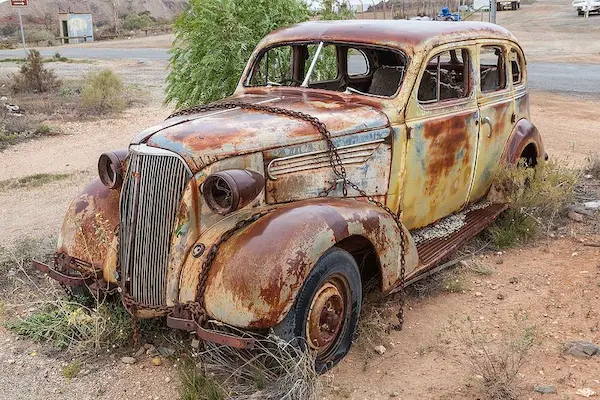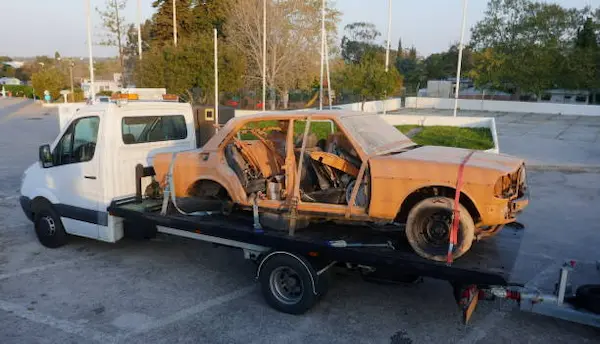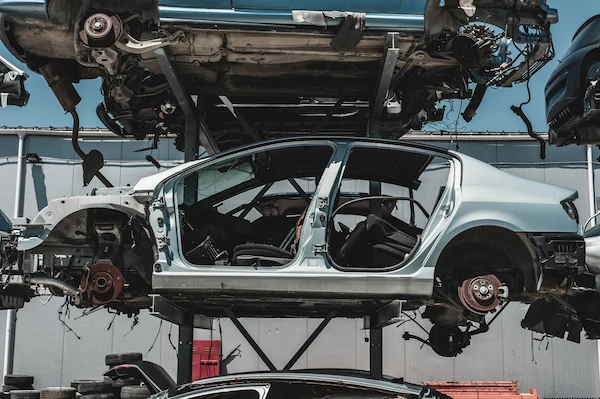
what happens to junk cars

What Happens To Junk Cars?

When a car reaches the end of its road, what happens next? A junk car’s journey can seem like the end of the line. Still, it’s just the beginning of a new chapter. In this in-depth article, learn what happens to junk cars.

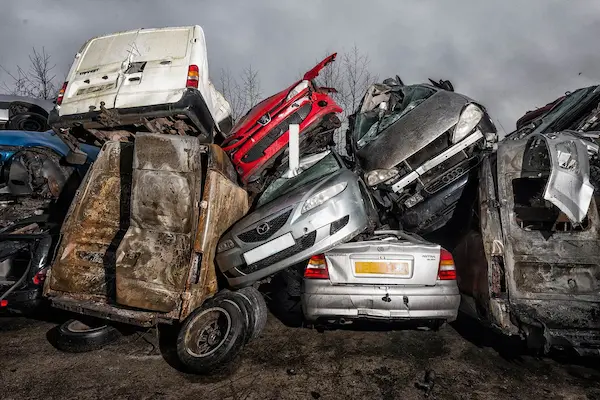
A junk car is typically dismantled for its parts when it is taken to a salvage yard. These parts can be resold or recycled. The remaining metal is crushed. Then, it is sold to be melted down and reused in new products. This process helps reduce waste. It also lets us conserve resources.

Let’s explore the destinations and transformations that await these vehicles here. Read this comprehensive article to learn more about it.

Key Takeaways

  • Recycling: Junk cars are dismantled, crushed, and recycled into new products. For example, metals and plastics.
  • Reclamation: Hazardous fluids like oil and coolant are drained and properly disposed of to prevent environmental harm.
  • Rebirth: Some junk car parts are refurbished and sold as used parts for other vehicles, extending their life.

Destinations For Junk Cars
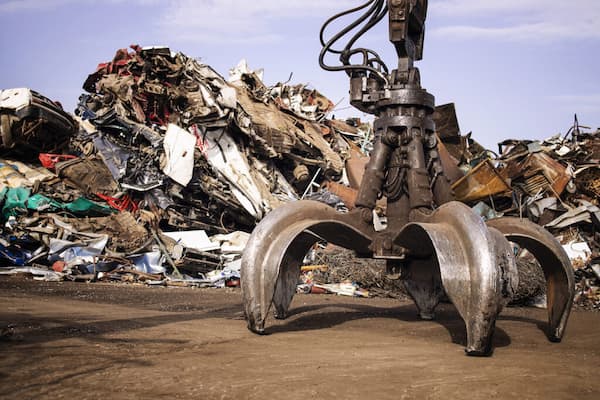
Scrap Metal Buyers

Let’s start our discussion with destinations for junk cars. These include junkyards and mechanics. These also include recycling facilities. Keep reading to grasp all the details.

Junk Yard Opportunities

Junk yards take apart old cars to use their parts again. Everything from the big engine to the little screws can be saved and sold. This helps reduce waste. It also gives people a way to fix their cars without buying brand-new parts. They are like a giant recycling center for vehicles!

Mechanic’s Interest

Mechanics can discover valuable parts in old cars that others can overlook. Instead of buying new parts, they can find and reuse ones that still work. This helps save money and is better for the environment.

Finding a treasure chest full of valuable items inside each old car that comes to the junkyard seems like finding a treasure chest. That chest contains valuable items inside each old car that comes to the junkyard.

Recycling Facilities

Recycling centers help eliminate old cars in a way that’s good for the environment. They use unique methods to take out valuable metals and plastics, which can be used again. This helps reduce the amount of waste. It also saves important materials, like metal, so we don’t run out of them.

Junk Yard Potential

Let’s move on to junkyards now. Junkyards salvage valuable individual parts as junk cars can be sources for affordable parts, as well as revitalizing similar cars. Let’s get a better understanding of it.

Valuable Individual Parts

Many valuable parts, from old and unique pieces to new and necessary ones, are waiting to be found in a junkyard. These parts can be used again in another car. People in the junkyard carefully remove and keep track of these parts.

So, they can be used later to fix other vehicles and give them a new start.

Affordable Parts Source

Junk yards have inexpensive car parts that still work. Instead of buying new ones, people can save money by getting used parts from there. Using these parts can cost around 50-75% less than buying new ones. So, it’s a good option for people looking to fix their cars without spending a lot.

Revitalizing Similar Cars

Junk yards serve as a breeding ground for innovation and creativity. By salvaging parts from one vehicle to revive another, enthusiasts can breathe new life into classic cars and modern machines. This practice preserves automotive history and fosters a sense of community among car enthusiasts.

Mechanic’s Transformations
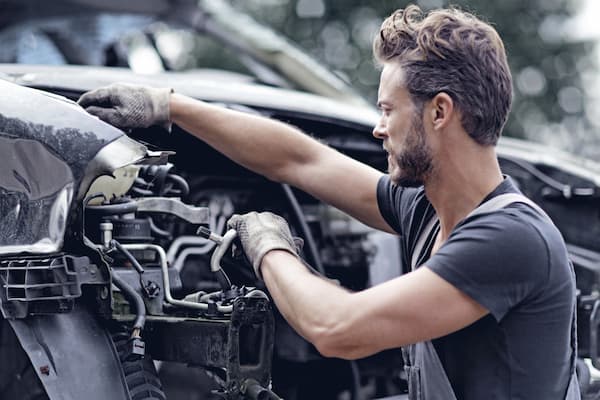
Auto Wreckers And Dismantlers

In this section, we’ll explain what mechanic’s can do with junk cars. These include cost-effective repairs and opportunities for reselling. Let’s learn more about them.

Cost-Effective Repairs

Mechanics have special abilities to fix up old cars so they can be driven again. By replacing broken parts and making repairs, they can bring these cars back to life. This is much cheaper than buying a new car. It also helps prevent old cars from ending up in landfills.

It’s estimated that repairing a junk car can save about 50-75% compared to buying a new one.

Opportunities For Reselling

Skilled mechanics can make money from fixing up junk cars. By repairing and fixing them, they can sell these cars to people looking for affordable transportation. Selling refurbished cars can earn mechanics around a 20-40% profit. It benefits sellers and buyers needing budget-friendly vehicles.

Environmentally Friendly Recycling

Before ending our discussion, let’s learn about environmentally friendly recycling. This includes a commitment to responsible disposal and embracing comprehensive recycling. Let’s get into the discussion.

Commitment To Responsible Disposal

Environmental stewardship lies at the heart of junk car recycling. By responsibly disposing of old vehicles, recyclers prevent harmful pollutants from contaminating the environment. Proper disposal practices ensure that each component is handled with care.

It also ensures the planet’s well-being, from toxic fluids to heavy metals.

Embracing Comprehensive Recycling

Modern recycling facilities employ advanced technologies to maximize the reuse of materials extracted from junk cars. These facilities transform scrap metal, plastics, and rubber into raw materials for new products. This is through processes like shredding, smelting, and reprocessing.

This closed-loop approach minimizes waste and conserves energy. It embodies the principles of a circular economy.

FAQs
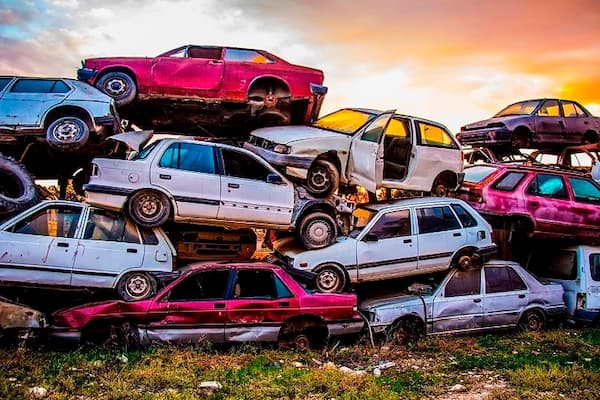
Junkyard Requirements

1. Can Junkyards Be A Source Of Affordable Car Parts?

Yes. Junkyards can be a great source of affordable car parts. When a car is considered junk, its parts can still be in good condition. Junkyards collect and sell these parts at a lower price. This makes it a cost-effective option for car owners looking for replacements without breaking the bank.

2. Do Mechanics Buy Parts From Junkyards?

Yes. Mechanics often buy parts from junkyards to repair vehicles at a lower cost. When a car is deemed a “junk car,” it can be sold to a junkyard. There, its parts can be salvaged and reused in other vehicles. This helps reduce waste. It also provides affordable options for car repairs.

3. Do Mechanics Often Revive Cars With Junkyard Parts?

Yes. Mechanics frequently revive cars using parts from junkyards. These parts are typically removed from junk cars that are no longer drivable. Mechanics can restore old vehicles by replacing damaged components with quality recycled parts to working conditions at a lower cost.

What Happens To Junk Cars: Conclusion

When a car stops running, it goes to a junkyard, where it’s taken apart. Mechanics visit these yards to find parts to fix other cars for less money.

Reusing these parts helps the environment and gives old cars a second chance. It’s a way to reduce waste and be more creative. Even though a car seems done, it can have a new beginning by becoming helpful again.
when is it time to junk your car

When Is It Time To Junk Your Car?

Owning a car means facing the inevitable question: when is it time to junk your car? Deciding to junk your car is not an easy choice. Still, clear signs indicate it can be the right move. Let’s explore some key factors to consider before making this decision.

When your car requires frequent costly repairs, has major mechanical issues, or is unsafe to drive, it’s time to junk it. Consider some factors as signs to let go of your car. For example, repair costs exceeding its value, safety concerns, and constant breakdowns. Think before making the decision.

Read this in-depth article to learn more about it.

Key Takeaways

  • Visible Signs Of Deterioration: When your car constantly needs repairs and shows signs of wear, it can be time to junk it.
  • Excessive Repair Costs: When fixing your car is more than its value, it’s more economical to junk it.
  • Safety Concerns: When your car fails inspections or lacks safety features, junking it can prevent potential accidents.

Repair Costs And Car Value

Auto Wreckers And Dismantlers

Let’s discuss repair costs and car value first. Evaluate the cost-benefit ratio. Then, address major breakdowns. Next, decide on fixing feasibility. Let’s get into the discussion.

Evaluating Cost-Benefit Ratio

When your car needs a lot of expensive repairs that add up to more money than the car is worth, it can be smarter to buy a new one. For instance, when your car is worth $5,000 and the repairs cost $3,000, it can be a sign to start looking for a new car.

It means when fixing something costs more than buying a new one, it can be time to consider getting a new car that won’t keep needing costly repairs.

Addressing Major Breakdowns

When your car’s engine or transmission breaks down, it can be very expensive to fix. This is true especially if your car is old and has been driven a lot. You’ll have to pay around $3,000 to $5,000 to fix the engine or $2,000 to $4,000 for the transmission.

This is a lot of money, so you must consider carefully whether it makes sense to spend that much on repairs or if it will be better to save up for a new car instead.

Deciding On Fixing Feasibility

When your car needs several small repairs all at once, it can mean there are bigger problems that need fixing. For example, when you need to replace the brakes, fix a leak, and repair the air conditioning, it can cost around $1000 or more.

Spending that much money on many problems cannot be worth it if your car is old or has a lot of miles. It’s important to consider whether investing in all those repairs is a good idea or if it can be smarter to save up for a new car instead.

Unavoidable Warning Signs

Let’s focus on the unavoidable warning signs now. These include excessive rust and body damage. Smoke, leaks and unusual noises are also common signs. You need to assess your car’s roadworthiness. You have to deal with constant alarms. Again, a missing car title can complicate junking your vehicle.

Let’s get a better understanding of these warning signs.

Excessive Rust And Body Damage

When your car has a lot of rust or has been badly damaged on the outside, it can look bad and be less safe to drive. When the rust is all over the car or the body damage is severe, it can cost around $2000 or more to fix.

This kind of damage can weaken the car’s structure and make it unsafe in a crash. Consider whether spending money on fixing these issues is worth it or if it’s better to look for a new car that is safer and in better condition.

Smoke, Leaks & Unusual Noises

Preparation For Junking

When your car constantly smokes, leaks fluids, or makes strange noises, it can mean there are big problems with the engine or other important parts. Ignoring these signs can lead to even bigger issues and make it unsafe to drive. Fixing these problems can cost around $1500 or more.

Pay attention to these signs and get your car checked out by a mechanic. This will prevent further damage and keep you safe on the road. It’s similar to going to the doctor when you feel sick. Taking care of your car when it shows signs of trouble is important for your safety.

Assessing Roadworthiness

When your car often stops suddenly, has trouble starting, or acts strangely while driving, it cannot be safe to keep using it. Driving a car that behaves erratically can be dangerous for you and others on the road. Fixing these issues can cost around $500 or more.

Just like you won’t ride a bike with a wobbly wheel or a flat tyre, ensure your car is in good shape before driving it. Your safety is important, so if your car is acting up, it’s best to have it checked by a mechanic. This will avoid any risky situations.

Dealing With Constant Alarms

When the warning lights on your car’s dashboard keep coming on even after you’ve tried to fix the problems, it can mean there are more serious issues that are hard to figure out or repair. Dealing with constant alarms can also be stressful and annoying for drivers.

Fixing these ongoing problems can cost around $300 or more. When your car’s warning lights don’t go away, it’s best to have a mechanic check it to ensure your car is safe to drive.

Addressing Missing Car Title

When you don’t have the title for your car, it can make it hard to sell or get rid of your vehicle. Fix this problem quickly. This is important to prevent legal issues and make the process easier. Getting a duplicate title can cost around $25 to $50.

Imagine when you lost the key to your bike lock – you won’t be able to unlock it and ride it. It’s the same with a car title – without it, you won’t be able to sell or get rid of your car. Getting a new title will help make things go smoothly when dealing with your vehicle.

FAQs

Junk A Car Without Tires

1. Is It Worth Fixing A Car With Major Breakdowns?

No. It won’t be worth fixing when your vehicle has major breakdowns. For example, a blown engine or transmission. Instead, consider selling it to a junk car buyer for cash. This is because keeping a car with significant issues can end up costing you more money in the long run. Decide wisely.

2. Can Excessive Rust Make A Car Unsafe To Drive?

Yes. Suppose excessive rust compromises key structural components. For example, the frame or chassis. Then, a car can become unsafe to drive. In such cases, it’s time to junk your car. Then, put safety first over continued use. Make a wise decision. Ensure your and your family’s safety.

3. Will A Blaring Alarm Affect The Car’s Value?

Yes. When the blaring alarm affects the car’s value, it can be time to junk your car. A constant alarm can signal underlying issues that can cost more to fix than the car is worth. Consider selling it for scrap or parts to get the most value. Make a wise decision and ensure your safety.

When Is It Time To Junk Your Car: Conclusion

Knowing when to junk your car is a practical decision. It requires careful consideration of various factors. Evaluate repair costs, recognize warning signs, and assess roadworthiness. Thus, you can make an informed choice. It prioritizes safety and financial well-being.

When the time has come to bid farewell to your faithful companion on the road, take comfort in knowing it’s a step toward a safer and more reliable driving experience.

what to do after junking a car

What To Do After Junking A Car?

Have you just junked your old car? You may be wondering what to do after junking a car.

After junking a car, ensure you receive payment, and the vehicle title is transferred. Cancel insurance and return plates to the DMV. Keep receipts for proof of sale and notify your local motor vehicle department. It’s important to follow these steps to avoid future liabilities or fines.

Whether you’re a first-timer or have done this before, these tips are for everyone. Let’s dive into the details and learn what to do after junking a car! Keep reading to make sure you handle everything the right way.

Key Takeaways

  • Remove Personal Belongings: Thoroughly check and remove all personal items from the car before taking it to the junkyard.
  • Cancel Insurance and Registration: Notify your insurance company to cancel the policy and follow state procedures to cancel the car’s registration.
  • Return or Transfer License Plates: Depending on state laws, return the car’s license plates to the DMV or transfer them to another vehicle.

Environmental Responsibility

Benefits Of Junking A Car With Expired Tags

When you junk a car, you’re not just getting rid of an old vehicle. Cars contain stuff that can hurt the earth, so we must ensure we do things correctly.

Fluids And Hazardous Materials

A car holds a variety of fluids and materials that require special handling. Here’s what you need to know:

  • Engine Oil and Other Fluids: These fluids contain toxins. They include antifreeze, brake fluid, and transmission fluid. The toxins can contaminate soil and water. Never dump them down the drain! Many junkyards will drain these fluids. But check beforehand and ask about any associated fees.
  • Lead-Acid Battery: Car batteries contain lead, a toxic metal that can harm human health and the environment. Junkyards can safely recycle batteries. Remove yours before taking the car in. See your owner’s manual for removal instructions. Then, hand it over for responsible processing.

Tires And Batteries Disposal

Tires and batteries need special care, too. You can’t just throw them in the trash; tires can be made into other things, like playground surfaces or asphalt.

  • Tires: Don’t just toss your old tires! They can be retreaded, recycled into new products, or used for energy generation. Junkyards often take used tires; some tire retailers may even offer a small rebate.
  • Air Conditioning System: Car ACs contain Freon, a refrigerant that can damage the ozone layer. Junkyards can handle Freon safely. They are certified to extract and dispose of it according to regulations.

Explore Recycling Options

Cars are mostly metal, and we can recycle metal over and over. When you junk your car, a recycling center can turn the metal into new things.

This reduces the need for new materials. It saves resources and cuts energy use.

  • Junkyard Recycling Programs: Many junkyards have established recycling programs. They’ll disassemble the car, separating recyclable materials from those requiring special disposal. Ask about their recycling practices before choosing a junkyard.
  • Parting Out Valuable Components: When your car is in decent condition, consider selling usable parts before junking it. This can earn you extra cash and ensure those parts get a second life in another vehicle. You can sell parts on online marketplaces and junkyards. They specialize in car parts.

Insurance And Registration Cancellation

Once you’ve ensured your car is eco-friendly, it’s time to do the paperwork. Scrapping your car means a change in ownership, so you must tell the right people. This will prevent future problems.

Notify Insurance Provider

Don’t keep paying for insurance on a car you no longer own! Contact your insurance company and let them know you’ve junked your car. Here’s what to expect:

  • Policy Cancellation: You can request to cancel your car insurance policy effective the date your car was junked.
  • Potential Pro-rated Refund: Depending on your policy and the remaining term, you may be eligible for a refund of any unused premium.
  • Proof of Junking: The insurance company may require proof that your car has been junked. This could be a receipt from the junkyard or a certificate of destruction.

Cancel Vehicle Registration

Letting the Department of Motor Vehicles (DMV) know you’ve gotten rid of your car is crucial. This prevents future registration renewal notices or potential liability if the car is involved in any incidents.

  • Required Documents: The documents needed for cancellation may vary by state, but they typically include your vehicle registration card (RC). You also need proof of ownership (title) and a completed cancellation application. You can often find the application online or at the DMV.
  • Fees: A small cancellation fee may be associated with closing your registration.

Legal Compliance Verification

Double-checking to ensure everything is in order provides peace of mind. Here’s how to verify legal compliance:

  • DMV Website: Many state DMV allow you to check your vehicle registration status online. This can confirm that the registration has been canceled.
  • Insurance Company Confirmation: Get written confirmation from your insurance company. It should say your car insurance policy was canceled.

Tax Benefits Exploration

Junk Car Tax Benefits

When you junk a car, you can also get some tax benefits. When tax time comes, you could save money because you junk your car. Let’s dive in to understand how.

Research Junking Tax Benefits

The tax effects of junking a car can vary. This depends on several factors, such as:

  • Your Tax Filing Status: This can affect the deductions or credits you qualify for.
  • The Sale Price of Your Car: Receiving money for junking your car may impact your taxes.
  • Your Original Purchase Price: Knowing the car’s initial price is essential. It helps you find potential tax benefits.

Here are some potential tax benefits to investigate:

  • Casualty Loss Deduction: When an accident, theft, or vandalism makes your car unusable, you will qualify for a tax deduction.
  • Charitable Donation Deduction: Once you donate your car to a qualified charity, you can claim a tax deduction for its fair market value.

Gather Required Documentation

You may qualify for tax benefits. Gathering the papers to back your claim is crucial. Here’s what you need:

  • Bill of Sale: This document proves you sold (junked) your car and the amount you received.
  • Proof of Ownership (Title): This verifies you were the car’s legal owner.
  • Documentation of Original Purchase Price: Your purchase receipt, loan documents, or registration paperwork.
  • Repair Receipts (For Casualty Loss): When you claim a casualty loss, receipts for attempted repairs can help. They show you tried to fix the car before it was unusable.
  • Charity Receipt (For Donation): Once you donate your car, a receipt from the charity detailing the car’s make, model, and condition is essential.

This readily available documentation will make the tax filing process smoother and ensure you have the necessary proof to support your claim.

Consult Tax Professionals

Tax laws can be complex, and navigating potential deductions or credits for junking your car can be tricky. Consider consulting a tax professional. They can ensure you’re using all applicable benefits and filing taxes correctly.

They can analyze your situation and advise you. They will suggest the best action to get the most money back on your taxes.

FAQs

junk car without tires

1. What Happens To My Junk Car After I Sell It?

When you sell your junk car, it typically goes through a recycling process. Components like batteries, tires, and fluids are removed and safely disposed of or recycled. The metal body is then crushed and shredded for scrap. This not only conserves resources but also reduces environmental pollution.

2. What To Do With License Plates After Junking A Car?

After junking a car, it’s crucial to remove the license plates. You can return them to your local DMV or keep them as a memento. Ensure to check your state’s requirements, as some states may require plate return or offer mail-in options. This step prevents potential misuse and legal issues.

What To Do After Junking A Car: Conclusion

After you junk a car, remember these steps: First, clean the car. Make sure all your items are out. Next, call your insurance company. Tell them you no longer own the car and end your insurance.

Then, take care of the car’s plates. Depending on where you live, you either give them back or move them to a new car. Doing these things ensures you follow the rules and avoid any problems. Always check your own state’s rules to be sure.

what to do with a junk car

What To Do With A Junk Car?

Do you have an old car sitting around? Many people find themselves with a car that could run better. But they need to figure out what to do with a junk car.

When you have a junk car, consider reselling it to individuals or mechanics, trading it in at a dealership, donating it to a charity, or gifting it to someone in need of the car. Ensure you check its value, complete all necessary paperwork, and choose the option that best suits your needs​.

This article will show you some smart and easy ways to deal with your junk car. Get ready to clear up some space and do good with that old clunker!

Key Takeaways

  • Sell for Cash: Convert your junk car into cash by selling it to a salvage yard or through an online service.
  • Eco-Friendly Recycling: Recycle your junk vehicle responsibly by taking it to a certified auto recycling center to prevent pollution.
  • Charitable Donation: Benefit from a tax deduction and support a cause by donating your junk car to charity.

Assessing Your Vehicle

Auto Wreckers And Dismantlers

Start by evaluating your junk car’s condition. Check if it’s drivable, look for valuable parts, and gather important documents like the title. This step helps you decide the best way to handle the car.

Evaluate Its Condition

Start by checking your car carefully. Look at both the inside and outside. Are the engine and other parts working? Can the car still drive? Make a list of what’s good and what’s not.

This step is crucial. It helps you determine whether your car is worth selling or would be better off for parts or scrap.

Research Market Value

Find out how much your junk car is worth. You can do this online. Various websites can give you an idea. They look at your car’s make, model, year, and condition.

Remember, even if your car doesn’t run, it could still be valuable for its parts or metal. Knowing this helps you set a realistic price if you decide to sell.

Check Local Regulations

Every area has its own rules for handling old cars. Some places require specific paperwork to sell a junk car, and others can have strict rules about scrapping. It’s important to know these rules.

This way, you avoid legal problems when selling or disposing of your car. Check with your local DMV or visit their website for the right information. This ensures everything you do is within the law.

Selling Your Junk Car

Selling Your Junk Car can quickly turn it into cash. Online listings or local junkyards are good places to start.

Explore Salvage Yards

Salvage yards, or places that take apart old cars, can be good places to sell your junk car. They often pay for cars like yours. Visit a few near you and talk to the people there.

They can tell you how much they can give you for your car. Remember, they usually want cars for their parts or metal.

Consider Online Platforms

Today, the internet makes selling things, including old cars, easy. Websites like eBay or Craigslist let you list your junk car for sale, and there are also sites made just for selling old cars.

On these websites, you can tell people about your car and how much you want for it. Take good pictures and be honest about your car’s condition.

Obtain Multiple Quotes

Don’t just talk to one place or person. Get a few different offers for your junk car. This will help you determine who will give you the most money.

Call different salvage yards, use different websites, and talk to different buyers. When you have a few offers, you can choose the best one. This makes sure you get a good deal for your old car.

Donating Your Junk Car

Finalizing The Junking Process

Donating Your Junk Car is a generous way to support charities. Many organizations can use your car to fund their programs or services.

Choose A Reputable Charity

When you decide to donate your junk car, pick a trusted charity. Look for organizations that accept car donations and use them well. Check online reviews and see what others say about the charity.

It is important to choose a car that helps people or causes you care about. This way, your old car does good.

Verify Tax Benefits

Many times, when you give a car to charity, you can get a tax deduction. But, make sure the charity is qualified. You can look this up online or ask the charity directly.

They should give you a receipt for your donation. Talk to a tax professional to learn how to claim the deduction. This will ensure that you get the tax benefits correctly.

Complete Necessary Paperwork

Donating a car means you have to do some paperwork. The charity should help you with this. You’ll likely need to sign over the car’s title.

Make sure you fill out all forms correctly. Keep copies of everything for your records. The charity also arranges to pick up the car. Make sure everything is done right so there are no problems later.

Recycling Your Junk Car

Recycling your junk car is eco-friendly. It ensures harmful materials are disposed of properly, and useful metals are reused.

Locate Recycling Facilities

Start by finding places where you can recycle your junk car. Look online or check the phone book for recycling facilities or scrap yards near you. These places can take your car and recycle its parts and metal.

Make sure the facility follows environmental rules for recycling cars. This will help the planet and ensure your car is recycled correctly.

Understand The Process

Before you recycle your car, know what will happen to it. The facility should explain how they dismantle and recycle cars. They usually remove useful parts to sell or reuse.

Then, they crush and recycle the metal. Ask questions if you need clarification on something. Knowing the process helps you feel good about where your car is going.

Dispose Of Hazardous Materials

Old cars have things like oil, coolant, and battery acid. These can harm the environment. A good recycling place knows how to handle these safely.

Before you give them your car, ask how they get rid of dangerous materials. Ensure they do this in a safe way for the environment. This step is very important to keep the earth clean.

DIY Parts Removal

removing car parts


DIY Parts Removal allows you to take out and sell valuable components yourself. This can often net you more money before you sell or recycle the car’s shell.

Identify Valuable Components

Before taking your car apart, find out which parts are worth something. Common valuable parts include the engine, transmission, catalytic converter, GPS, and stereo.

Look up how much these parts can sell for. Knowing this helps you decide if removing and selling them is worth it.

Use Proper Tools

To remove parts from your car, you need the right tools. This usually includes wrenches, screwdrivers, and pliers. Make sure you have everything you need before you start.

Wear safety gear like gloves and goggles to protect yourself. Take your time and follow instructions carefully to avoid damaging the parts or hurting yourself.

Independently Sell Parts

After you’ve removed the parts, you can sell them independently. List your items on online marketplaces like eBay or Craigslist. You can also contact local auto repair shops or parts buyers.

Describe the condition of each part accurately in your listings. This can help you find buyers and get a good price for each part.

FAQs

donating car

1. Is Donating A Junk Car Tax Deductible?

Yes, donating a junk car can be tax-deductible if given to a recognized charity. The deduction amount may be determined by how the charity uses the car or its sale price. Obtain a receipt for the donation and consult a tax advisor or IRS guidelines to ensure a proper claim on your tax return.

2. Do All Recycling Facilities Accept Junk Cars?

Not all recycling facilities accept junk cars, as policies vary based on location and facility capabilities. It’s crucial to contact them beforehand to ensure they handle vehicles. Facilities that do accept cars typically manage proper disposal and recycling, following environmental regulations.

3. Can I Remove Parts From My Junk Car Myself?

Absolutely, you can remove parts from your junk car on your own. However, it is crucial to possess the necessary tools and basic mechanical skills. Safety is paramount, so take precautions. Check local laws to avoid legal issues. Removing parts wisely can maximize the car’s residual value.

What To Do With A junk Car: Conclusion

When you have a junk car, you have good options. You can sell it for cash to someone who wants old car parts. Or, you can give it to a place that safely recycles cars.

This helps the Earth. Another kind choice is to donate your car to help others. Charities may use it or sell it to get money for good causes.

So, when you are wondering what to do with a junk car, remember you can make money, help the planet, or help others. It’s your choice!

where to sell junk cars

Where To Sell Junk Cars?

When you have a junk car, it’s not always clear where to sell it. Many people face this problem. You want to get rid of the old car and make money.

The good news is there are places that buy junk cars. No matter its condition, these places give you cash for your old car. You think your car is worthless, but these buyers see value in it.

They often use the parts or the metal. Let’s turn that clunker into cash and clear up some space in your driveway! Get ready to find out where to sell junk cars.

Preparing Your Car

Preparing Junk Car

When you decide to sell your junk car, it’s important to get it ready first. This step is easy and helps you get a better deal. Here’s how you can prepare your car:

Assessing Vehicle Condition

Start by checking how your car is doing. Turn on the engine. Does it start? Try to drive it a little. Does it move? Look at the body of the car. Are there big dents or rust? Write down everything.

Include the good and the bad. This list helps buyers understand what they are buying. They want to know the exact condition of the car. This honesty can also help you build trust with the buyer.

Gathering Necessary Documents

Now, focus on the paperwork. The most important document is your car title. This paper is key because it shows you own the car. You also need your car registration.

This shows the car’s history. Keep these documents ready and safe. Every buyer will ask for them. Without these papers, you can’t sell your car.

Removing Personal Items

Then, clean your car. Check every corner. Look under the seats, in the glove box, and in the trunk. Take out all your items. Sometimes, we forget things in our cars.

You don’t want to leave anything behind. This step also shows the buyer that you care. A clean and empty car looks better and can attract a better offer.

Evaluating Parts Value

Think about the parts of your car. Some parts may still be in good shape. For instance, a new battery, good tires, or a recent radio.

These parts can add value to your car. When you know about car parts, list these valuable items. Mention them when you talk to buyers. This can help you get a better price for your car.

Selling Options

When it comes to selling your junk car, you have several options. Here are 4 common ways to sell your old car:

Junkyards And Scrap Yards

Junkyards and scrap yards are great places to sell your junk car. They pay you for your car’s weight in scrap metal. This is a fast way to get cash for your car.

Just drive or tow your car to the yard, and they will take care of the rest. They weigh your car and pay you based on that weight.

Online Marketplaces

You can also sell your junk car on online marketplaces. Websites like eBay, Craigslist, and Facebook Marketplace are good choices. You post an ad for your car, add photos, and write a description.

People who want to buy junk cars will see your ad and contact you. This way, you can get more money than at a junkyard. But, it can take longer to find a buyer.

Auto Salvage Dealers

Auto salvage dealers buy junk cars to take them apart and sell the parts. They often pay more than junkyards because they make money from the parts.

You can find these dealers online or in the phone book. Tell them about your car, and they will give you a price. Some even come to your house to pick up the car for free.

Direct Selling Tips

Selling your car directly to someone is another option. Here are 5 tips:

  • Clean your car. A clean car looks better, even if it’s junk.
  • Be honest about the condition of your car. Tell the buyer about any problems.
  • Have your paperwork ready. You need your car’s title and any service records.
  • Set a fair price. Look at what other similar junk cars are selling for.
  • Meet in a safe place if someone wants to see your car.

Selling a junk car is easy if you know where to look. You can choose from junkyards, online marketplaces, auto salvage dealers, or sell directly to a buyer. Each option has benefits, so pick the one that works best for you!

Pricing Strategies

Junk Car Pricing Strategies

Pricing your junk car correctly is crucial to getting a good deal. Here are 2 strategies to help you set the right price:

Understanding Car Value

When you sell a junk car, you must know how much it’s worth. The value of your car depends on 5 things mentioned below:

  • Condition: When your car runs or has useful parts, it is worth more. The metal and parts can still have value even if they don’t work.
  • Make and Model: Some car brands and models are more in demand for parts. This demand can make your car worth more.
  • Age: Newer junk cars often sell for more. They may have parts that fit other cars still on the road.
  • Weight: Cars are often sold for scrap metal. Heavier cars have more metal, so they are more expensive.
  • Market Rates: Metal prices change. You can get more for your junk car when metal prices are high.

Negotiation Techniques

After you know your car’s value, it’s time to discuss the price. Here are 6 tips to help you negotiate well:

  • Know Your Lowest Price: Before you start, decide on the lowest price you will accept. This helps you not go too low.
  • Start High: Ask for a higher price than you expect to get. People often want to bargain, giving you room to come down.
  • Be Confident: Believe in your price. The buyer will agree if you show that your car is worth the price.
  • Listen: Hear what the buyer offers. They can tell you why they think your car is worth less. Use this information in your talk.
  • Stay Calm: Keep your cool. Otherwise, you will not get a good deal.
  • Be Ready to Walk Away: When you can’t get the price you want, saying no is okay. Sometimes, the buyer can come back with a better offer later.

Remember, selling a junk car takes time and effort. Knowing your car’s value and how to talk about the price helps you make a good deal.

Legal Considerations

Car Title Transfer

When you sell your junk car, it’s not just about finding a buyer and getting money. You have to think about the law too. Here’s what you need to know:

Title Transfer Requirements

The title is a paper that proves you own the car. When you sell your car, you must give the buyer this title. This is called transferring the title. It’s a simple step.

You sign the title to show you sold the car. The buyer also signs it to show they bought it. Make sure you write down the sale price and the date. This is important for both you and the buyer.

State-Specific Regulations

Every state in the U.S. has its own rules about selling cars. Some states ask for a smog test certificate, even for a junk car. Others need more paperwork or fees.

Check your state’s Department of Motor Vehicles (DMV) website. It will tell you exactly what you need to do.

Reporting The Sale

After selling your car, tell your state’s DMV. This is very important. When you report the sale, you tell the DMV, “I don’t own this car anymore.”

Hence, you won’t be in trouble if something happens with the car later. The DMV website usually has a form you can fill out to report the sale.

Liability Issues

Think about liability. This means who is responsible if something goes wrong. After selling your car, you don’t want to be responsible for tickets or accidents. That’s why reporting the sale to the DMV is key.

Also, make sure the buyer understands the car’s condition. When it’s a junk car, it can have problems. Tell them what’s wrong with it. This honesty helps protect you later.

FAQs

Sell My Car Privately

1. What Company Pays The Most For Junk Cars?

The best company paying the most for junk cars changes often. But big names like Peddle, Junk Car Medics, and CarBrain usually offer good deals. They check your car’s details and give you a price fast.

Always compare a few companies to get the most money for your junk car.

2. How Do I Sell My Car Privately In MN?

To sell your car privately in Minnesota, clean it and gather the title and service records. Next, set a fair price. Then, advertise online or in local papers.

Show the car to buyers, negotiate the price, sign the title to the new owner, and report the sale to the DMV.

3. How Many Cars Can You Sell In Minnesota?

In Minnesota, you can sell up to five cars in a year without a dealer’s license. The state says you need a license if you sell more than five. This rule helps keep car sales fair and safe for everyone.

Remember, always follow the rules when selling cars!

Where To Sell Junk Cars: Conclusion

Selling junk cars is easy if you know where to look. Local junkyards, online platforms, and car-buying services are great places to start. Remember to get multiple quotes to ensure you get the best deal.

Be honest about the car’s condition and have your paperwork ready. This will make the process smoother. Follow these tips, and you’ll quickly turn that old car into cash!

can you junk a car without keys

Can You Junk A Car Without Keys?

Can you junk a car without keys? Many think you need keys to send a car to the scrap yard. But guess what? That’s not true. 

Junkyards care more about the car’s weight and parts than the keys. You’re good to go if you own the car and have the title.

But always remember to check inside for any personal things. Lost keys don’t mean lost hope for turning that old car into cash!

Keyless Junking Process

Disposing Of A Junk Car

Assessing The Situation

First, look at your car. Does it have value beyond scrap metal? Think about parts like the battery, tires, and electronics.

Before moving to the next step, you must know the car’s value. When you have this information, you can make a better choice.

Finding Alternatives

Before junking, think about other options. Can you sell parts of the car? Is getting a replacement key worth it?

Sometimes, an essential costs less than $100. Compare that to how much more money you get for a working car. After comparing, make your choice.

Towing Requirements

Towing moves your car. But first, check the car’s tires. They need to hold air. Flat tires make towing harder.

Many junkyards offer free towing, but not all of them. You need to ask before choosing. Some might charge you, but only if the car’s value is low.

Legal Considerations

Always have your car’s title. It’s a paper that says you own the car. Without it, some places won’t take your car. The title helps avoid problems later. If you have this paper, you show the car belongs to you.

Potential Obstacles

Things can go wrong. For example, you may lose personal items in the car. Before towing, take out all your stuff. Also, think about locked areas in the car, like the trunk.

Check everything two times to ensure you don’t leave anything behind. Being careful helps avoid problems, even if you miss a step.

Methods For Keyless Junking

Risks Of Junking A Car With Expired Registration

Professional Locksmith

Hiring a professional locksmith is one method for dealing with a car with no keys. A locksmith makes a new key for your car.

You can then drive your car to the junkyard if a new key is available. This option often costs less than towing.

Vehicle Identification

Having the proper documents shows you own the car. A vehicle identification number (VIN) is essential. Junkyards use this number to check the car’s history. You find the VIN on the driver’s side dashboard or side door post.

Proving Ownership

You need proof to show the car is yours. A title is the best proof. It has your name and the car’s details.

A registration document also works if a title is not available. Having proof makes the junking process quick and easy.

Scrapyard Procedures

Each scrapyard has rules you need to follow. Call the scrapyard first. They will tell you what documents to bring.

They will also tell you if towing is free. Following their rules helps you avoid any problems. You get your money faster if all the rules are followed.

Preparing For The Junking

Towing And Transportation

Removing Personal Items

Before junking your car, check every part. Open the glove box, look under the seats, and open the trunk.

You want to make sure you take out all of your things. Many people find items they forget about, so take your time and look carefully.

Canceling Insurance

After you decide to junk your car, call your insurance company. Tell them the date you plan to junk the car. Ask them to stop the insurance on that date.

You can save money by not paying for insurance you don’t need. Remember, you must tell the insurance company 10 days after selling or junking a car.

Clearing Registration

Visit the local DMV office. Ask them to cancel the car’s registration. By doing this, no one can use the car’s plates for bad things. You’ll get peace of mind knowing it’s taken care of.

Notifying Authorities

You need to tell the local government when you junk a car. Give them the car’s details and the date you sold or junked it.

This step is essential. You can avoid problems in the future, like tickets or fines, when you do this.

Finalizing The Deal

Meet the junkyard owner or worker. Agree on a price for the car. After you agree, they will give you money.

Ensure you get a paper that says you sold the car to them. Keep this paper safe. You want proof in case someone asks about the car later.

FAQs

car recycle

1. Is It Feasible To Scrap A Car When Keys Are Lost?

Yes, it’s feasible to scrap a car without keys. Junkyards focus on the car’s weight and components, not its operability.

2. What Are The Options For Disposing Of A Keyless Car?

Options for a keyless car include junking, selling for parts, or getting a replacement key.

Can You Junk A Car Without Keys: Conclusion

Certainly, junking a car, even when the keys are lost, isn’t just a possibility—it’s a well-trodden path many have successfully taken.

You can transform your keyless vehicle from a stationary burden into monetary gain by ensuring the proper steps, from proving ownership to notifying the necessary parties.

So, while the absence of keys may seem like a hurdle, it’s far from a roadblock. With the right approach, you can navigate this situation smoothly and find that turning your vehicle into profit, keys or not, is ideally within reach.

how to donate a junk car

How To Donate A Junk Car?

Have you ever looked at that old, rusty car in your driveway and thought, “How to donate a junk car?” What if I told you that the car you consider junk could be a treasure for someone else?

Donating your junk car not only clears up space and benefits you, but it can also significantly impact someone’s life. Discover the ins and outs of transforming your unwanted vehicle into a charitable gift.

Preparing Your Car

car tracking device

Gather Documentation

Before you call us for towing, have your car papers ready. You need the car title and your ID. This shows you own the car.

Without these papers, we can’t tow your car. Keep them in a safe folder so they’re easy to find.

Remove Personal Items

Check your car from front to back. Take out all things that belong to you. This includes bags, clothes, and any small things you keep in the car.

Once the car is towed, getting these items back gets tricky. Better to remove them first.

Secure Valuables

Do you have a fancy radio or new tires? Think about taking them off before we come.

You can sell these items or use them in another car. Make sure to do this so you keep everything of value.

Complete Repairs (Optional)

Consider repairing your car when your car only needs minor fixes to run again. A car that runs fetches a higher price. But remember, you don’t have to fix the car. We tow cars in any condition.
Drain Fluids (If Needed)

You don’t need to worry about this step most of the time. But draining the oil, gas, and other fluids makes the towing safer for everyone. Keep a pan handy to catch the fluids.

Choosing A Charity

Donating Car

Research Reputable Charities

Pick a charity you can trust when you want to donate your car. Look for charities that have been around for many years.

Read what people say about them online. A good charity has more happy donors than unhappy ones.

Verify Tax-Exempt Status

You can save on taxes when you donate your car. But for that, the charity must not pay taxes. This is called being “tax-exempt.”

Check the charity’s website or call them to find out. They will have a special number starting with “501(c)”.

Ensure Local Impact

Your donation can help people right in your town. Ask the charity how they use the car or the money from selling it.

You want to make sure it helps people near you. Local impact makes your gift even more special.

Check Acceptance Criteria

Different charities want different things. Some might only want cars that run. Others take any car, even if it doesn’t work.

Check with the charity to see what kinds of cars they accept. Make sure your car fits their rules.

Contact Chosen Charity

You’ve picked your charity; now give them a call. They will tell you what papers you need and where to drop off the car.

Some even come to pick it up for free. Make sure to get a paper that says you gave them the car. This paper helps with your taxes.

Donation Process

Car Donation Process

Provide Car Details

The first step in donating your car is simple. Tell us about your car. We need to know the make, model, and year. We also need to know whether the car runs. This helps us plan the best way to pick it up.

Schedule Pickup/Tow

Next, we set a time to get your car. You pick the day and time that works best for you. We aim to arrive in under 60 minutes. But remember, bad weather or busy times can make us late.

Sign Necessary Forms

When we arrive, we need you to sign some papers. This is so both sides agree on what’s happening. We’ll bring all the forms. Just have a pen ready and your car title in hand.

Receive Donation Receipt

After the papers are signed, we give you a donation receipt. Keep this paper safe! It’s how you show you gave your car to charity. You can use this paper to get a tax cut at the end of the year.

Transfer Ownership

The last step is giving us your car title. This makes sure everyone knows you gave away your car. Once we have the title, you’re all set. We take the car, and you’ve done something great for a good cause.

Tax Deductions And Benefits

Understand Tax Laws

When you donate your car, you can get a tax break. But you need to follow the law to make it count. The IRS has rules about car donations. Read IRS Publication 4303 for all the details.

It’s a guide that tells you what you need to know. Ensure you give your car to a charity the IRS says is okay for tax breaks.

Determine Fair Market Value

Before you donate, find out how much your car is worth. This is called the fair market value. Use a guide like Kelley Blue Book.

You need this number for your taxes. And if the charity sells the car for less money, use the sale price for your taxes, not the fair market value.

Complete IRS Forms

Paperwork is a must when you want a tax break. Use IRS Form 8283. For cars worth more than $5,000, you need to add a written appraisal to the form.

Make sure you fill out everything. Don’t skip any parts. The IRS needs all the info to give you the tax break.

Consult Tax Professional

Taxes can get tricky. When you have questions, talk to a tax pro. They know all the rules. A quick meeting can make sure you did everything right.

This is more important when your car is worth a lot or when you have other big items to write off on your taxes.

FAQs

Car Donation

1. Can I Donate A Car That Doesn’t Run?

Yes, you can donate a car that doesn’t run. Many charities accept non-running cars and may even arrange for towing.

2. How Do I Choose A Legitimate Charity For Donating Car?

To choose a legitimate charity, research its reputation, confirm its tax-exempt status with the IRS, and ensure it aligns with your values and cause.

How To Donate A Junk Car: Conclusion

So, now you know how to donate a junk car. Donating a junk car is a noble act and an opportunity to make a positive impact.

By following the proper steps and choosing a reputable charity, you can turn your old clunker into a source of help and hope for those in need, all while enjoying potential tax benefits.

So, why let that junk car gather dust in your driveway when it could make a difference in someone’s life? Give it a new purpose and experience the satisfaction of giving back.

should i donate my car or junk it

Should I Donate My Car Or Junk It?

Are you stuck with an old car and don’t know what to do? Thinking about should I donate my car or junk it? Donating helps others and gives you a tax break. It’s a win-win!

On the other hand, junking your car puts cash in your pocket right away. So, which one is best for you?

Donating feels good and helps your community. You help people in need get from point A to point B. Plus, when tax season comes, you get to write off the donation. That’s money saved!

Junking is quick and easy. A tow truck comes, picks up your car, and you get paid. It’s that simple!

Keep reading to find out how each option works and which one fits your needs.

Assessing Your Car

Evaluating Junk Cars

Condition And Value

The state of your car matters a lot. Your car will be worth more if it looks good and runs well. Rust, dents, or engine problems lower its value.

Get it checked by a pro to know its real value. You can sell it for a good price if the condition is good.

Age And Mileage

Cars get old. They also travel many miles. A car with low miles is worth more. A newer car is also worth more.

But a 10-year-old car with 30,000 miles can still be a good deal. Age and miles count, but they aren’t everything if the car is in good shape.

Make And Model

Some car brands are known for lasting a long time. Brands like Honda and Toyota are examples. Luxury brands cost more, but they also come with high costs for parts and services.

You get what you pay for, but you pay more in the long run if the make and model have high repair costs.

Repair Costs

Think about how much money you’ll need to keep the car running. Some cars cost a lot to fix.

Others don’t. Look up how much typical repairs cost for that make and model. You’ll spend less over time if the car’s repair costs are low.

To sum it up, look at four big things:

  • How your car runs and looks.
  • How old it is and how many miles it’s traveled.
  • What brand and model it is.
  • How much it will cost to fix.

Knowing these things helps you see what your car is really worth. Once you know all this, you make better choices.

Sentimental Value

This is a feeling, not a number. Maybe the car was a gift, or you have happy memories with it.

That can make the car worth more to you but not to others. You might keep the car longer if it means a lot to you.

Donating Your Car

Donating Car

Charitable Contribution

Donating your car means you are doing something good. You give away your old or unused car. In return, a charity can use it.

They may sell it for cash or use it for their programs. Your old car gets a new life, and you help people in need.

Tax Deductions

Here’s the deal: you can save money on your taxes when you donate your car. You get a paper from the charity. This paper says how much your car is worth.

Keep this paper. When tax time comes, show it to the tax people. You might pay less tax because you gave to a charity. The tax people will guide you on this.

Research Charities

Not all charities are the same. You have to pick one that does good work. Look them up on the internet. Ask your friends. Read reviews.

Make sure they really help people. You want to know your car goes to a good cause. When you pick one, call them up or visit their website.

Donation Process

So you picked a charity. Now what? Usually, you fill out a form. This form asks for your name, car info, and where the car is.

After you do that, the charity takes it from there. They come and get your car, and you don’t pay for it. You get the paper for your taxes in the mail.

Impact On Community

Your car does a lot after you give it away. Maybe it helps a family get to work. Maybe it turns into cash for food or medicine.

Either way, your community gets better because of you. People will have what they need to live better lives. So your car keeps on doing good, even when you are not driving it anymore.

Junking Your Car

Quick Disposal

One of the best parts about junking your car is the speed. Once you decide to junk it, the process can take as little as 1 day. This means you won’t have a broken-down car taking up space for long.

Environmental Impact

Cars are made of materials that can harm our Earth. But, when you junk your car, many of these materials get handled the right way.

This helps our planet stay clean. By choosing to junk your car, you do a good thing for our Earth.

Salvage Value

Even if a car no longer runs, it has value. Many parts inside the car still work.

These parts can get sold, and you can get money for them. You might get surprised by how much your old car is worth.

Recycling Potential

Cars have a lot of metal. This metal doesn’t need to go to waste. Junking a car means that a lot of this metal gets recycled.

Around 80% of a car can get turned into new things. This saves energy and resources.

Selling To Scrapyard

Scrapyards buy old cars. They look for parts they can sell or metals they can recycle. When you sell to a scrapyard, you get money.

They take the car and handle the rest. It’s a win for you and a win for them. And, if you’re not sure where to find a scrapyard, just look online. There are many in most towns.

Decision Making Factors

Car Junking Necessary Paperwork

Charitable Giving Goals

First up is your goal to help others. Do you like to give to charity? Your old car can become a big gift for someone in need. Give your car to a charity you like.

They either use it or sell it for cash. You get a tax break, someone else gets help. But remember, you can only get a tax break if you give to a real charity.

Financial Situation

Money matters too. Sometimes selling a car gives you quick cash. Other times, keeping it saves money in the long run. You have to look at your own wallet.

Do you have bills that need paying right now? Selling might be best for you. But if not, maybe keep the car for a family member who will drive soon.

Car’s Practicality

How useful is your car? When you can’t drive it and it costs a lot to fix, it’s not very useful. But if it’s in good shape, maybe your teen can use it soon.

Or perhaps it could be a backup car. Decide based on what the car can actually do for you.

Emotional Attachments

Feelings count. Sometimes a car means more than just four wheels.

Maybe it was your first car or it belonged to someone special. And if the car makes you happy, keeping it makes sense.

But if you keep it, know that cars need care. They can’t just sit unused for years.

Sustainability Values

Lastly, think about the Earth. Old cars usually pollute more. Newer ones are often better for the environment.

When you care a lot about this, a new car fits those values. But if the old car runs well, maybe keep it. New cars take a lot of energy to make.

FAQs

Ownership Transfer

1. How Can I Determine If My Car Is Worth Donating?

To determine if your car is worth donating, check its condition and how much repairs would cost. It’s a good candidate for donation if it’s in good shape or repair costs are low.

2. What Are The Tax Benefits Of Donating A Car?

Donating a car can give you a tax break. You can often deduct the car’s fair market value from your taxes. Make sure to donate to a qualified charity to get this benefit.

Conclusion: Should I Donate My Car Or Junk It?

Deciding what to do with an old car is a big choice. You have 2 great options: donating or junking. Each has its own perks.

Donating your car is a fantastic choice if you want to do good in your community and get a tax break.

Your old car can really help people in need and make you feel great about giving. You can also get a break on your taxes, which is a win for your wallet, too.

But if you need quick cash and want to handle it fast, junking is the way to go. Your old car still has value in its parts and materials.

Plus, you’re doing right by the planet by letting about 80% of the car get recycled.

Your final decision may come down to your own goals, your financial needs, and even your feelings about the car. No matter what you choose, both options have benefits for you and others.

what documents do i need to junk my car

What Documents Do I Need To Junk My Car?

Are you thinking about junking the old car that’s taking up space in your driveway? If yes, then the question “What documents do I need to junk my car?” might pop in your head.

Many people are unsure of what documents are required to junk a car. The specific documents you need may vary depending on your state.

In this guide, we will discuss the documents you commonly need to junk your car. Let’s read on together.

Essential Documentation: Making Car Ownership Official

Understanding Car Liens

When you buy a car, paperwork makes it official. You need to fill out some important documents

These papers prove you own the car. They also keep you and the seller safe. Let’s talk about each type of document you’ll need.

Title Of Ownership

The title is like a car’s birth certificate. It shows who owns the car. When you buy a car, the seller gives you the title. The title has important details like:

  • Car make and model
  • Vehicle Identification Number (VIN)
  • Name and address of the new owner (you)

You need to keep the title in a safe place since getting a new one can be tough if you lose it.

Proof Of Identification

You also need to show ID. This can be a driver’s license or another form of ID. The ID proves you are who you say you are. Both the buyer and the seller need to show ID. This makes the sale honest and fair. Without ID, the sale can’t happen.

Release Of Liability Form

This form is a safety net. It protects you after you sell the car.

The form shows you don’t own the car anymore. This means you can’t get in trouble for what happens to the car after the sale. Both people sign the form. Then, send it to the motor vehicle office.

Odometer Disclosure Statement

This paper shows how many miles the car has driven. Both the buyer and seller need to sign it. The law says you have to tell the truth about the miles. Lying can lead to fines or even jail.

Bill Of Sale (If Required)

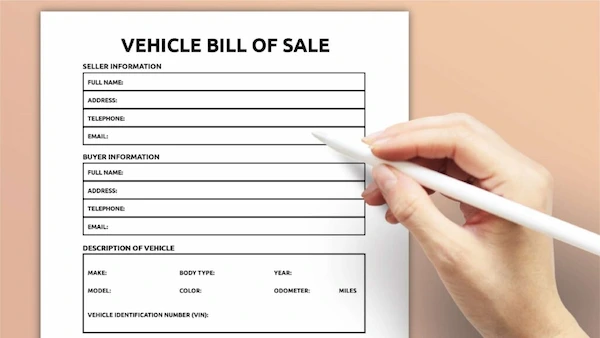
Car Bill Of Sale

Some places need a bill of sale. This is like a receipt. It shows:

  • Price of the car
  • Date of sale
  • Names of buyer and seller

Even if it’s not needed, it’s good to have. It can clear up any questions about the sale later on.

Additional Considerations

Lien Release (If Applicable)

A lien release proves you have paid off any loans on your car. When you borrow money to buy a car, the lender puts a “lien” on it. This means they can take the car if you don’t pay them back.

Once you finish paying, they give you a lien release. Always keep this paper. It shows that the car is truly yours.

Emissions Compliance Documents

Before a car can drive on the road, it has to pass certain tests. One important test checks the smoke and gasses the car makes.

This makes sure cars don’t harm our air. When your car passes, you get emissions compliance documents. Keep these safe. They show your car meets the rules.

Vehicle History Reports

A vehicle history report gives you all the past details about a car. It tells if the car had accidents or if it ever got stolen.

This report also shows how many people owned the car before. When buying or selling, this report is important. It gives trust to the buyer.

State-Specific Requirements

Every state can have its own rules for cars. Some might need special tests or papers. Some might not. Always check your state’s rules. This ensures your car can legally drive in that state.

Owner’s Manual (If Available)

The owner’s manual is like a guide for your car. It shows how parts work and how to take care of the car. This book can help if there’s a problem.

Keep it in the car if you have one. Ask for this book if you buy a used car. It helps to know your car better.

Selling Process Steps

Selling Junk Car

When you want to sell a car, there are steps to follow. These steps help you sell your car in the right way. Let’s go through each step in detail.

Locate Necessary Documents

The first step is to find all the papers for your car. You need the title of the car, for sure. This paper says you own the car. You also need service records.

These papers show you took good care of the car. And if you miss any paper, it can slow down the sale. So, make sure you have all the documents ready.

Complete Required Forms

After getting all the papers, you need to fill out some forms. These are forms like the Bill of Sale and Release of Liability. These forms say you sold the car and are not responsible for it anymore.

Fill in these forms with care. Any mistake can cause trouble. Double-check all the information before you give it to the new owner.

Remove Personal Belongings

Next, clean the car inside and out. Take out all things that belong to you. Check the glove box, the trunk, and under the seats.

Sometimes we forget stuff in our cars. These are your things, not the new owner’s. Make the car look like new. This makes it easier to sell.

Arrange For Towing Or Drop-Off

Once you have found a buyer for your car, you need to decide how the car will get to its new home.

The new owner can drive it away if the car runs well. However, if the car does not run, you will need to use a tow truck.

It is important to plan this ahead of time and talk to the new owner about it. This way, there are no surprises on the day of the sale.

Receive Payment Or Donation Receipt

The last step is getting paid. The new owner will give you money or a check. Sometimes, people donate their cars.

You get a receipt, not money if you donate. This receipt helps you pay less tax. Make sure to get the payment or receipt before you hand over the keys and papers.

Avoiding Common Mistakes

Is A Bill Of Sale Sufficient For Junking A Car

Forgetting Signatures

When you junk your car, you will need to sign several documents, including the title transfer form, the bill of sale, and any other forms required by your state.

The process will be delayed and you may not get paid if you forget to sign anything.

To avoid forgetting to sign, make sure to have all of the necessary paperwork in front of you when you meet with the junkyard representative. Take your time and read each document carefully before signing it.

Incorrectly Filling Forms

Another common mistake is incorrectly filling out paperwork. This can happen for a variety of reasons, such as making a typo or forgetting to include a required piece of information.

To avoid incorrectly filling out forms, make sure to read each form carefully before filling it out. And if you have any questions, ask the junkyard representative for help.

Incomplete Title Transfer

The title transfer is the document that transfers ownership of your car to the junkyard. It is important to make sure that the title transfer is complete and signed by all parties involved.

To avoid an incomplete title transfer, make sure that you have all of the necessary information, such as the VIN number and odometer reading.

You should also make sure that the title transfer is signed by both you and the junkyard representative.

Lack Of Ownership Proof

You will need to provide proof of ownership to the junkyard in order to sell your car.

This could be a copy of the title, registration, or other document that shows that you are the legal owner of the car.

To avoid a lack of ownership proof, make sure to have a copy of the title or registration for your car. You can request one from your state DMV if you do not have a copy.

FAQs

Car Liens Documentation

1. Why Is The Title Important When Junking A Car?

The title proves you own the car. Without it, you can’t legally sell your car for junk. It’s a must-have paper to complete the sale.

2. How Do I Transfer Ownership If There’s A Lien On The Car?

Pay off the debt first if there’s a lien. Then the lender will give you a “lien release.” This paper proves the car is yours to sell. After that, you can transfer the title.

What Documents Do I Need To Junk My Car: Conclusion

Selling your old car for junk? Good idea! But you need some important papers first. You need your car title. It shows you own the car. Go to the DMV to get a new one if you don’t have the title.

You also need an ID like a driver’s license. Don’t forget to take off your license plates. You will give them back to the DMV. Sometimes you might need a “Bill of Sale” too. This paper says you sold the car.

Before you say goodbye to your old car, double-check. Make sure you have all these papers. This makes selling your car easy and fast.

You also stay out of trouble with the law. Now you’re ready to turn your old car into cash!

what is considered a junk car

What Is Considered A Junk Car?

Do you know what a junk car is? A junk car is like a worn-out toy that doesn’t work anymore. Maybe it’s very old, or maybe it’s been in an accident.

Some people look at a junk car and see something that’s broken and useless. Others see a chance to use parts of the car for something new.

In this topic, we’ll explore what is considered a junk car and how a car that might seem like trash to one person can be a treasure to someone else.

It’s a simple story, but it has a lot of interesting parts!

Physical Condition

Junk Car Physical Condition

Rust And Corrosion

Junk cars often have rust on them. Think of rust like a scab on a scratch. It happens when metal gets wet and old. Rust can make a car weak and ugly.

Major Structural Damage

Sometimes cars get into bad accidents. This can cause big problems with the way the car is built. When this happens, the car might not be safe to drive anymore.

Missing Or Broken Parts

A junk car might have parts that are missing or broken. This is like a toy with pieces that are lost or don’t work.

A car needs all its parts to run right. Without them, it’s not much good.

Severe Engine Issues

The engine is like the heart of the car. It makes it go. But if the engine has serious problems, the car might not run at all. Fixing it might cost more than the car is worth.

Non-Functional Transmission

The transmission is what helps the car shift gears and move smoothly. If it doesn’t work, the car won’t drive the way it should.

It’s like trying to ride a bike with a chain that keeps falling off.

When a car has these problems, people often call it a junk car. It’s like a broken toy that can’t be fixed.

But even a junk car can be worth something. Some people might buy it for the parts, or to melt it down and make something new.

Age And Mileage

When we talk about cars, age and mileage matter a lot.

These two things can tell us if a car is like a new toy or an old one that’s worn out. Now, let’s look at these topics in more detail:

High Mileage

Cars with lots of miles have been driven a lot. Think of a pair of shoes that’s been worn every day; they get old fast.

Cars with high mileage might break down more often. It’s like they get tired because they’ve been used so much.

Advanced Age

An old car is like an old toy. Things wear out over time. Even if the car hasn’t been driven a lot, it might still have problems.

The paint might peel, or the seats might tear. Old cars might not work as well as new ones.

Obsolete Technology

Cars get better and smarter every year. Old cars might not have the newest gadgets or the best parts.

It’s like having an old phone when everyone else has a new one. Obsolete technology means the car might not be as fun or as easy to use.

Outdated Safety Features

Safety is important in cars. But old cars might not have the newest safety things like airbags or backup cameras.

Think of it like riding a bike without a helmet. Outdated safety features mean the car might not be as safe as a new one.

Limited Repair Options

Fixing an old car can be hard. Sometimes, the parts you need aren’t made anymore.

Or the people who know how to fix that kind of car might be hard to find.

Limited repair options mean that if something breaks, it might be tough or expensive to fix.

Legal Considerations

Junk Car Legal Considerations

When dealing with a junk car, there are laws and rules to follow. It’s like playing a game; you have to know the rules to play it right.

Here’s what you need to know about the legal side of things:

Expired Registration

If a car’s registration runs out, it’s like a library card that’s out of date. You can’t drive the car on the road. You must renew it or face fines.

Salvage Title Status

A salvage title is like a red flag on a car. It means the car had major problems in the past. If you sell the car, you must tell the buyer about this title.

Failure To Meet Emissions Standards

Cars have to meet certain rules about the stuff that comes out of the tailpipe. If a car doesn’t meet these rules, it might not be allowed on the road.

Missing Documentation

If you lose the papers for the car, like its title, it can be a big problem. It’s like losing your ID; you need it to prove the car is yours.

Legal Disposal Requirements

You can’t just leave a junk car anywhere. There are laws about how to get rid of it. Think of it like recycling; you have to do it the right way.

Financial Viability

Sometimes, a junk car doesn’t make sense money-wise. It’s like having a toy that costs more to fix than to buy a new one.

Here’s what you need to think about when it comes to the money side of things:

Cost Of Repairs Exceeds Value

If fixing the car costs more than what it’s worth, it might be time to say goodbye. It’s like fixing a broken toy that costs more than a new one.

Minimal Market Demand

Sometimes, no one wants to buy a certain car. It’s like having an old toy no one wants to play with anymore.

Low Trade-In Or Resale Value

If you try to trade in a junk car, you might not get much for it. It’s like trading an old toy for a new one but getting very little in return.

High Insurance Premiums

Insuring a junk car might be expensive. It’s like paying a lot to protect something that’s not worth much.

Negative Impact On Credit

If you owe money on a junk car and can’t pay it, it could hurt your credit. It’s like not paying your bills; it can make it hard to borrow money later.

Environmental Impact

Junk Car Environmental Impact

We all need to take care of our Earth. One way to help is to think about the things we use and throw away.

Let’s look at some problems and solutions that can make a difference.

Leaking Fluids And Toxins

Cars and machines sometimes leak oil and other fluids. These liquids can be bad for the ground and water.

We need to make sure to fix leaks and dispose of these fluids in the right way. This keeps the Earth cleaner and safer.

Harmful Emissions

Cars and factories can let out smoke and glasses. These are called emissions. Some emissions are very bad for the air.

They can make people sick and hurt the planet. We can use cleaner fuels and better machines to make fewer harmful emissions.

Landfill Waste

We throw away a lot of things that end up in big piles called landfills. These piles can take up space and hurt the land.

We should try to throw away less and reuse more. This way, we won’t make as many big piles of trash.

Recycling Potential

Some things we throw away can be used again. This is called recycling. We can recycle paper, metal, and plastic.
Recycling helps us use less new stuff and keeps our Earth cleaner.

Sustainable Alternatives

There are ways to live and work that don’t hurt the Earth as much. We call these sustainable alternatives.

We can use solar power instead of coal. We can ride bikes instead of driving cars. These choices help the Earth stay healthy.

FAQs

car recycle

1. What Defines A Car As A Junk Car?

A car is defined as a junk car if it’s too old, damaged, or costly to repair, making it unfunctional or more valuable for its parts or scrap metal.

2. How Can You Identify A Junk Car Based On Its Characteristics?

You can identify a junk car by its extensive damage, non-operational status, heavy wear, rust, or when the cost to repair exceeds its overall value.

3. How Is The Value Of A Junk Car Determined?

The value of a junk car is determined by factors like the weight of scrap metal, reusable parts, make and model, and the current market demand for those materials.

What Is Considered A Junk Car: Conclusion

A junk car is a car that doesn’t work well anymore. It’s old and worn out. It might be missing parts, or it might cost too much to fix.

People often sell junk cars for parts or to be melted down and made into something new.

In the end, if a car is more trouble than it’s worth, it might be a junk car. Junk cars can still be useful in different ways, but they’re not good for driving anymore.

Minnesota Junk Car Buyers

Minneapolis Cash for Junk Cars Pays Top Dollar

MN Cash for Junk Cars is one of the most popular junk car buyers in the state of Minnesota. We always offer the most reasonable amount to our clients and that is the reason we are the biggest buyer of junk cars in this state. We are handling our clients with respect and providing them with the best quality service for the last 15 years. If you want to remove your junk car or just want to get a custom quote, call us today. We’ll be glad to do business with you.

JUNK CAR BUYERS NEAR ME

Phone: 612-405-6000
E-mail: [email protected]


Copyright © 2026 – MN Cash For Junk Cars – All Rights Reserved