can you trade in a junk car

Can You Trade In A Junk Car?

Do you have an old car sitting around wondering, “Can you trade in a junk car?” Good news! Yes, you can. Even while your car has seen better days and feels more like a giant paperweight than a vehicle, there’s hope.

You can trade in a junk car at most dealerships, but be aware the value offered will be minimal. Dealers consider the car’s condition, age, and salvage value. Alternatively, selling directly to a salvage yard or parts dealer may yield more money. Always compare options to maximize your return.

They may give you little money, but it’s a start. You can also look at other places that pay more. Let’s explore how you can turn your junk car into cash!

Key Takeaways

  • Possible Trade-In: Dealerships may accept junk cars as trade-ins, but due to their poor condition, prepare for a minimal offer.
  • Better Alternatives: Selling your junk car to a salvage yard or a specialized buyer may yield better financial returns.
  • Part Removal: To maximize your profit, consider removing and selling valuable parts individually before trading in or selling the car.

Evaluating Your Junk Car
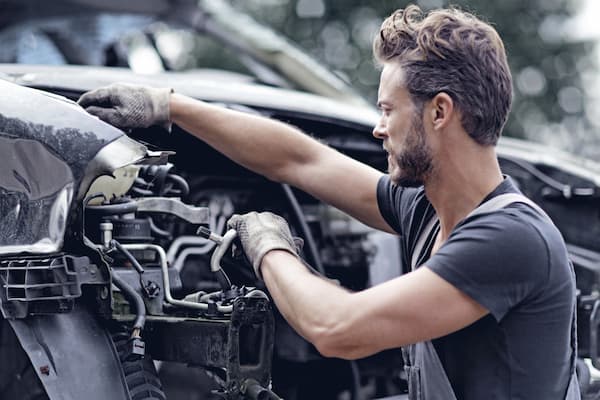
Auto Wreckers And Dismantlers

Evaluating your junk car properly is crucial before attempting to sell or trade it in. This process ensures you understand its worth and the best steps forward.

Assessing Vehicle’s Condition

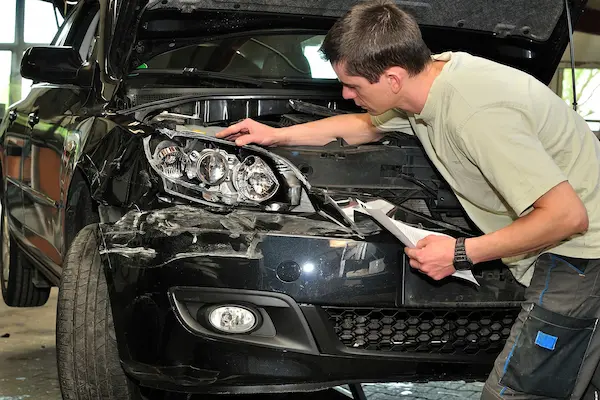
Examine the condition of your car thoroughly. Look over the exterior and interior for any damages or operational parts. Identify whether the vehicle can still move under its own power. Noting down the functional parts versus the non-functional ones can be beneficial when negotiating prices with potential buyers.

Preparing Necessary Documents

Gather all the required documents for the car. The most crucial document is the title, which proves your ownership. Collect any service records as well, as they demonstrate how well the car has been maintained over the years. Having all relevant paperwork in order simplifies the selling process.

Obtaining Multiple Quotes

Contact various potential buyers to get different quotes for your junk car. Explore offers from dealerships, salvage yards, and private buyers. Comparing these quotes allows you to determine the best financial deal available for your vehicle.

Verifying Ownership Status

Check the name on the title to ensure that the vehicle is legally yours to sell. When there are any discrepancies or issues with the title, resolve them before proceeding with the sale. This step is crucial to avoid any legal complications during the transaction.

Considering Vehicle History

Reflect on your vehicle’s history. Cars with a history of major accidents or numerous repairs can be valued less. However, providing a transparent account of the vehicle’s past can facilitate a smoother selling process and avoid potential disputes with the buyer.

Identifying A Junk Car Buyer

Finding the right place to sell your junk car is important. You want to get the best deal and ensure a fair buyer.

Researching Local Options

Begin by exploring your local area for potential buyers. Salvage yards, scrap metal facilities, and auto recycling centers often purchase junk cars. Visit them personally or reach out over the phone to inquire if they buy vehicles in your car’s condition.

List these local entities, noting their location and contact information. This step helps you understand the local market. It shows the potential demand for your vehicle.

Checking Online Platforms

In today’s digital age, the internet is an invaluable resource for selling junk cars. You can also find buyers on Craigslist, eBay Motors, and specialized junk car websites.

Enter search terms and your location into search engines. This will help you find more options. These platforms often let you post details about your car, allowing potential buyers to contact you.

Seeking Recommendations

Word-of-mouth can be incredibly valuable when finding a reliable junk car buyer. Ask friends, family members, colleagues, or acquaintances if they have sold a junk car or know someone who has.

Personal recommendations can lead you to honest buyers and give insights into their selling experiences. This step can help you avoid bad dealers and find buyers who offer fair prices and clear transactions.

Evaluating Buyer Reputation

Once you have a list of potential buyers, assessing their reputation is essential. A reputable buyer will ensure a straightforward and honest transaction. Check online reviews, testimonials, and ratings on platforms like the Better Business Bureau.

Look for feedback regarding their fairness, customer service, and the overall selling process. This research can protect you from scams and ensure that you’re dealing with real and respectful buyers.

Comparing Offers

After identifying potential buyers and verifying their reputations, it’s time to compare offers. Contact each buyer to request a quote for your junk car. Give them details about the vehicle’s condition, make, model, and year.

This will help them make accurate offers. It’s important to consider the price and the terms of the sale. Some buyers offer more money but require you to deliver the car, which could reduce your net gain.

Comparing offers lets you weigh your options. You can choose the best deal based on price, convenience, and reliability.

Negotiating The Trade
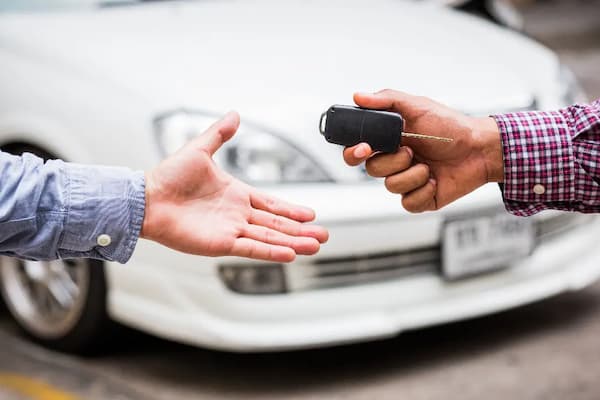
Selling Car With An Existing Lien

Once you’ve identified a potential buyer for your junk car, the next step is negotiating the trade effectively. This ensures you get the best deal and keeps the transaction fair and clear.

Understanding Car’s Value

Before you negotiate, you must know your car’s value. Even when considered junk, various factors, including the make, model, year, and salvageable parts, can affect its worth.

Research similar vehicles’ values and consider the metal content and condition. This knowledge will empower you during negotiations and help you set realistic expectations.

Transparency On Condition

Honesty about your car’s condition is vital in negotiations. Be upfront about all known issues, damages, and any working parts. Transparency builds trust with the buyer and avoids disputes later on.

Provide detailed information and, if possible, photos or documents supporting the car’s condition. This clarity ensures that both parties understand the value being exchanged.

Discussing Pick-Up Logistics

Often, junk cars need to be towed or transported to the buyer. Discuss who will handle this and whether the offer includes the costs. Some buyers offer free pick-up, which can increase the overall value of their offer. Clarify all details about the pick-up process. This includes timing, location, and who organizes and pays for it.

Finalizing Price Agreement

Once you’ve discussed all the details and conditions, it’s time to finalize the price. Use your research and the car’s condition as leverage to negotiate a fair price. Remember, rejecting offers that feel too low is okay based on your understanding of the car’s value. Write down this agreement once you and the buyer agree on a price. You can do so through email or a contract.

Confirming Payment Method

The final step in negotiating the trade is confirming how you’ll receive payment. Common methods include cash, check, or bank transfer. Check the payment method first. Agree on when the payment will be made, such as upon pick-up or after title transfer. For safety, avoid buyers who insist on insecure or inconvenient methods.

Completing The Junk Car Trade

Finalizing the sale of your junk car involves a series of important steps to ensure everything is settled properly and legally.

Removing Personal Belongings

Before you hand over your car, thoroughly check the entire vehicle for personal items. Look under the seats, in the glove compartment, in the trunk, and in any other storage areas.

You must remove all personal belongings. This is key to avoiding losing items and getting the car ready for its new owner.

Transferring Ownership

The legal transfer of the car’s ownership is crucial. Sign over the title to the new owner and accurately complete all necessary sections. Depending on your location, you may need to complete more paperwork or tell your local DMV.

Ensure all procedures are followed to transfer ownership and avoid future liabilities legally.

Receiving Payment

Ensure that you receive the agreed payment before finalizing the trade. This could be in cash, check, or a direct bank transfer, depending on the agreement. Verify that the payment is complete and cleared in your account (if applicable) before proceeding with the car handover.

Obtaining A Receipt

Once the payment is made, obtain a receipt from the buyer. The receipt should include the date and the amount paid. It should also have the vehicle’s make, model, and year.

It should have both parties’ names and signatures. This document serves as proof of sale and can be crucial for your records and potential future disputes.

Notifying Relevant Authorities

After the sale, you must notify relevant authorities such as the DMV and your insurance company. Informing the DMV helps update their records, removing your liability for the vehicle.

Contact your insurance company. It is important to cancel coverage on the sold vehicle. You will get a refund for unused premiums.

Challenges And Considerations
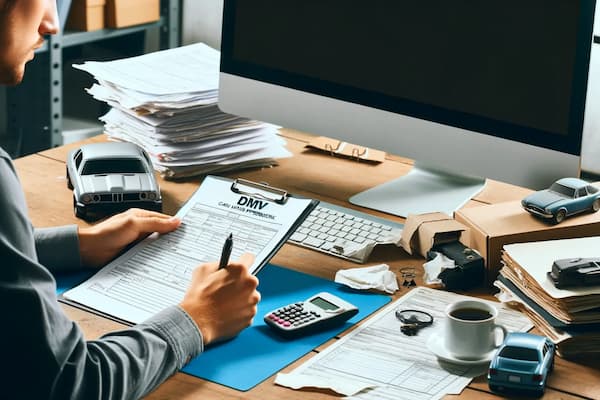
Notifying The DMV

Selling a junk car involves several challenges and key points to consider to ensure a smooth and secure transaction.

Awareness Of Scams And Fraud

Stay vigilant about scams and fraudulent buyers. Recognize common red flags. These include requests for upfront payments, overly complex payment methods, or buyers who refuse to meet in person. Always verify the buyer’s identity and legitimacy before proceeding with the sale.

Legal Compliance Measures

Ensure compliance with all legal requirements for selling a vehicle in your area. This includes properly transferring the title and removing your liability. Failure to comply can lead to fines or legal issues. So, understand and follow local laws about selling junk cars.

Considering Towing Expenses

Towing can significantly affect the net amount you receive from the sale. Determine whether you or the buyer will bear the towing expenses. When it’s your responsibility, get quotes from multiple services to find the best deal. When the buyer covers it, confirm this arrangement in writing.

Navigating Market Fluctuations

The value of scrap metal and car parts can vary widely due to market fluctuations. Stay informed about current rates to ensure you receive a fair price for your junk car. Understanding the market can also help you decide the best time to sell.

Choosing Reputable Buyers

Selecting a reputable buyer is crucial for a satisfactory transaction. Research potential buyers, read reviews, and check their history and business practices.

A reputable buyer will ensure a fair, transparent, and hassle-free process. Avoid buyers with bad reviews or sketchy practices. This will protect you from scams and ensure a real sale.

FAQs
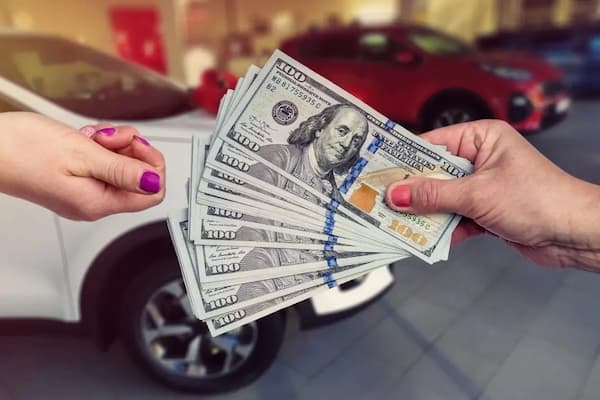
Private Junk Car Buyers

1. How Do You Trade In An Old Car?

To trade in an old car, start by cleaning it and gathering all necessary documents like the title and service records. Next, research its value online. Then, visit multiple dealers to get the best offer. Finally, negotiate the trade-in separately from buying a new car to ensure a fair deal.

2. Can I Trade A Junk Car With Significant Damage?

Yes, you can trade a junk car with significant damage, but due to its condition, dealerships will offer low offers. Alternatively, selling to salvage yards or scrap metal services yields better returns. Ensure to assess all options to maximize the value received from your damaged vehicle.

Can You Trade In A Junk Car: Conclusion

In conclusion, you can trade in a junk car, but remember, you can get little money. When you go to a car dealer, they will look at your old car and decide how much it’s worth.

Sometimes, you can get more cash if you sell your junk car to a place that wants it for parts or metal. Think about your choices and pick the best one. This way, you can say goodbye to your old car and get something nice in return!
can you junk a car without tires

Can You Junk A Car Without Tires?

Have you ever wondered how you can junk a car without tires? Read this article to get the details.

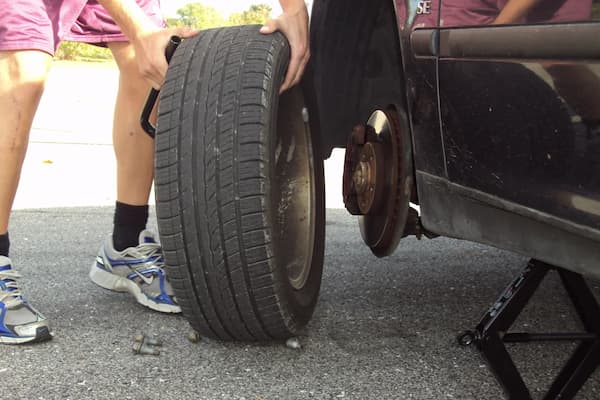
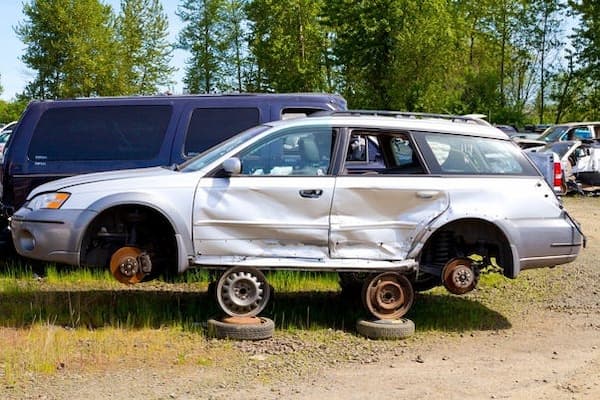
Yes, you can junk a car without tires! A car still has valuable parts without wheels, like the engine, transmission, and body. To sell it, contact a local junkyard or junk car removal service. They’ll tow away your tireless car, salvage its usable parts, and recycle what’s left.

We’ll discuss why someone would want to junk a tireless car. Then how it can be done? So, should you be intrigued by this fascinating process, keep reading to find out more!

Can You Junk A Car Without Tires?

Junk A Car Without Tires

Let’s learn in detail about how can you junk a car without tires first.

Legal Considerations

You can junk a car without tires, but different places have different rules. Some areas say you must take off the tires before junking the car.

So, make sure you follow the laws in your area to avoid any trouble or fees when getting rid of a car without tires.

Impact On Junkyard Acceptance

Junkyards cannot take cars without tires because they don’t have enough space or tools. Before bringing a tireless car, it’s a good idea to check with local junkyards to see if they accept them. They have different rules for different kinds of cars.

Towing Challenges

When your junk car doesn’t have tires, it can be harder to tow. Most junkyards like cars that can roll. Still, don’t worry! Some places specialize in towing cars without tires. They can use special equipment or charge more.

When asking for prices, tell them about your tire problem. To save money, you can try taking off the wheels yourself. Check my website for more details on towing and costs before saying goodbye to your rusty car!

Assessing The Junk Car’s Value

Let’s discuss how to assess the junk car’s value now.

Weight-Based Valuation

The weight of your junk car affects how much money you can get for it. Heavier cars usually earn more, like $20-$50 for every thousand pounds. Steel and iron are worth more than aluminum. Still, don’t worry if your car is light!

Some scrapyards like cars that can be fixed. Check my website to learn about weight-based payments, extra fees, and good buyers near you. Visit before you sell your rusty car to make sure you get the most money!

Salvageable Parts Assessment

Smart scrapyards check things like engines, transmissions, and doors to sell them separately. You can even get extra money for shiny chrome or special car parts. Still, keep in mind that some deductions are normal.

Scrapyards decide which parts to keep, fees to watch out for, and where to find the best buyers who appreciate your car’s special features. Check it out before you sell your car and get every penny you deserve!

Scrap Metal Market Trends

The prices of metal can go up and down a lot. Steel used to be worth around $800 per ton, but now it’s around $650. Copper is worth about $4 per pound, and aluminum is around $1.20.

It’s important to stay updated on these trends to know when to sell your old metal car for the most money.

Removing And Recycling Tires

removing junk car tire

Let’s learn how to remove and recycle tires now.

Separate Tire Disposal Options

When getting rid of a car without tires, it’s important to think about how to dispose of the tires separately. You can take them to tire shops or recycling centers, which can charge a small fee or even accept them for free.

Contact local authorities or waste management facilities to learn the best way to dispose of your tires responsibly.

Recycling Benefits

Junking a car without tires has recycling benefits. Steel, aluminum, and other parts can be reused, saving resources. Recycling cars helps protect the environment and conserves energy. It’s a good choice to be eco-friendly when you’re getting rid of a car without tires.

Professional Tire Removal Services

You can junk a car without tires by getting help from professional tire removal services. They know how to safely take off the tires, making it easier to get rid of the car.

Just reach out to local junk car removal services and ask about their tire removal options.

Transportation Logistics

Now, we’ll focus on transportation logistics.

Towing Alternatives

Don’t worry if your car doesn’t have tires! There are towing options available. You can choose winching for around $50-$100 extra if your car is stuck or can’t move. Another option is a flatbed tow truck, which costs about $150-$200.

To save money, you can try taking off the wheels yourself. Check my website for more details on towing costs, hidden fees, and guides on disassembling your car. Visit before you say goodbye to your rusty friend!

Cost Implications

When it comes to towing a rusty car, costs can vary. A standard tow is around $50-$150, depending on the distance. When your car is stuck, you can need winching for an extra $50-$100.

For trickier cases, a flatbed tow can cost $150-$200.

Don’t worry! Some places won’t charge towing fees for heavier cars. Check online for details on fees, finding good buyers, and even tips on disassembling your car. Research before you sell to get the most money for your metal friend!

Choosing A Reliable Towing Service

When choosing a tow truck, make sure they are licensed and insured for your peace of mind. Reading online reviews can give you an idea of their reputation. Look for transparency with upfront quotes and no hidden fees, like for winching or distance.

Some websites provide top-rated tow truck options, explain towing costs, and offer tips for preparing your car. Visit before you call to ensure a smooth journey for your rusty car!

Junkyard Requirements And Guidelines

Junkyard Requirements

We’ll explain the junkyard requirements and guidelines now.

Specific Yard Policies

When getting rid of a car without tires, you need to know each junkyard’s rules. Some cannot take tireless cars because of limited space or other reasons. Make sure to contact local junkyards to check their policies before disposing of your car.

Documentation Needed

When you want to junk a car without tires, you’ll usually need its title or proof of ownership. You’ll also need a valid ID.

Different states can have additional paperwork requirements. So, it’s important to check local rules or ask a local junkyard about the exact documents you’ll need.

Environmental Considerations

Disposing of a car without tires can harm the environment if done improperly. Choose junkyards that recycle materials and dispose of hazardous parts safely. This helps reduce harm to the environment.

When junking your tireless car, think about how it can be done in an eco-friendly way.

Maximizing Return On Investment

Let’s learn about maximizing return on investment.

Negotiating With Junkyards

When junking a car without tires, you can negotiate with junkyards. Call different yards for quotes and compare offers. The car’s condition, make/model, and market demand can affect the price.

Make sure to choose a trustworthy yard that offers fair prices and reliable service.

Selling Valuable Components Separately

When getting rid of a car without tires, you can sell valuable parts like engines, transmissions, and doors separately. This way, you can make more money. Just remember to research how much these parts are worth and find trustworthy buyers for each one.

Comparing Multiple Offers

When getting rid of a car without tires, compare offers from different junkyards. Call them for quotes and see which one gives you the best deal.

The car’s condition and how much people want it can change the price. Pick a good junkyard that offers the most money for your tireless car.

FAQs

junk car without tires

1. Why Is Tire Removal Crucial When Junking A Car?

When junking a car, removing the tires is important for some reasons. Junkyards like cars with tires because they’re easier to move. Taking off the tires can also change how much money you get for the car.

It’s also better for the environment to recycle the tires separately.

2. Why Is It Important To Consider Legal Aspects When Junking A Car Without Tires?

When getting rid of a car without tires, follow the law. Different places have rules about how to dispose of cars, and you can need certain paperwork, like the car’s title, to transfer ownership legally.

It’s necessary to follow these rules to make sure everything is done right.

Conclusion

You can indeed junk a car without tires. Still, there are some important things to consider. Removing the tires can affect the price and make it easier for junkyards to transport the car.

It’s crucial to follow legal regulations and have the necessary paperwork to transfer ownership legally. You can compare offers from different junkyards to get the best deal for your tireless car. Don’t forget about the environmental impact.

Choose reputable junkyards that recycle materials.  Dispose of hazardous components properly.

By following these steps, you can successfully get rid of your car without tires.

can i junk a car not in my name

Can I Junk A Car Not In My Name?

Have you ever wondered, “Can I Junk A Car Not In My Name? Well, the answer might surprise you. In certain situations, it is possible to junk a car even if you’re not the legal owner.

But before you start dreaming of getting rid of that pesky neighbor’s clunker, there are a few things you need to know.

Let’s dive into the world of car junking and find out how to get rid of that unwanted vehicle without any legal trouble.

Junking A Car Not In Your Name

Junk Car Environmental Impact

Verify Legal Ownership

When you want to junk a car that’s not in your name, finding out who owns the car is essential. You can do this by checking the car’s title.

The title is a paper that shows who the car belongs to. It’s like the car’s ID card! Make sure the name on the title matches the person you think owns the car.

This step is essential to make sure everything is done the right way.

Obtain Proper Documentation

After you know who owns the car, you need to get the right papers. These papers will inform the junkyard that the owner says it’s okay to junk the car.

The most important paper is the title. The owner may need to get a new one if the title is lost. Other forms may be required, too, depending on where you live.

Get Owner’s Consent

The last step is to talk to the person who owns the car. You need to ask them if it’s okay to junk the car. It’s like asking for permission to use something that’s not yours.

When they say yes, they should write it down and sign it. This note shows the junkyard that the owner agrees to junk the car. It’s a way to ensure everyone agrees and understands what’s happening.

Options For Unowned Cars

Junk Car Physical Condition

Transfer Ownership First

When you find a car that’s not yours, it is best to make it yours legally. This means getting the car’s title changed to your name.

You need to find the person who owns the car and ask them to sign the title over to you. This is like getting a permission slip signed. Once you do this, the car is officially yours, and you can decide to junk it.

Seek Legal Advice

Sometimes, figuring out car stuff can be tricky. Talking to someone who knows a lot about laws, like a lawyer, can help when you’re unsure what to do.

They can tell you the right steps to take so you don’t get into trouble. Think of them as a guide who helps you follow the rules.

Explore Salvage Yards

Salvage yards are special places where old cars go. They take apart cars and use the pieces for other things. Even when a car is not in your name, sometimes these yards can help you.

They know much about cars and can even help you with the paperwork. It’s important to talk to them nicely and explain your situation. They have a solution for you!

Selling Or Donating Unowned Cars

Donating Car

Selling To A Junkyard

When you want to sell a car that you don’t own to a junkyard, it’s important to remember a few things. First, the junkyard will ask for proof that you have the right to sell the car.

This means you need documents that show you’re allowed to make this sale. Sometimes, this can be tricky if the car is outside your name.

The junkyard needs to make sure everything is legal and fair. They don’t want any trouble, and neither do you!

Donating For Tax Benefits

Donating a car you don’t own to a charity for tax benefits is another idea. However, this also needs careful steps. The charity will need papers showing that you can donate the car.

This is important because when you donate a car, you can get benefits on your taxes. But to get these benefits, everything must be done the right way. The charity and the tax office will check to make sure all the rules are followed.

Legal Considerations

Handling a car not in your name to sell or donate has legal parts to consider. You must be sure that the law allows you to sell or give away the car.

Without the right papers, selling or donating a car that’s not yours can be illegal. This is to stop people from selling or giving away cars that they shouldn’t.

Always check with someone who knows about the law, like a lawyer, to ensure everything you do is okay by the rules. This keeps you and the buyer or charity safe from any legal problems.

FAQs

Disposing Of A Junk Car

1. What Documents Are Needed To Junk A Car Not In My Name?

You need special documents to junk a car not in your name. You need a letter from the car’s owner saying it’s okay to junk it. Also, get a form called a ‘Transfer of Ownership’. Bring your ID, too.

2. Are There Legal Implications For Junking Someone Else’s Car?

Yes, there are legal implications for junking someone else’s car. You need permission from the car’s owner with the right papers. Without this, it’s illegal to junk the car.

Can I Junk A Car Not In My Name: Conclusion

Junking a car that’s not in your name is a big deal. You need to be careful and follow the rules. Always get permission from the car’s owner and have the correct papers. This keeps you safe from any trouble with the law.

Remember, it’s like borrowing a friend’s toy; you must ask first! So, take a moment to make sure everything is done right if you find an old car you want to junk.

This way, you can turn that old car into something good without any worries. Remember, being safe and following the rules is always the best way to go!

can i junk a car without registration

Can I Junk A Car Without Registration?

Have you ever found yourself stuck with an old car, taking up space and unsure what to do with it because you don’t have the registration?

You might think it’s a lost cause, but we have good news! Junking a car without registration is possible, and we’re here to guide you through it.

In this article, we’ll dive into the steps to your query: “Can I junk a car without registration? Say goodbye to the stress and hello to a clear driveway and extra money!

Can You Junk An Unregistered Car?

Junk Car Environmental Impact

Sometimes, you might find yourself with an old car that no longer runs, and you’re unsure of what to do with it. Here’s how you can do it.

Legal Considerations

When you decide to junk a car, you must consider the legal requirements. Most places require proof of ownership before they will accept a car for junking.

The car’s title usually serves this purpose, but if you don’t have it, other documents might work.

Check your local laws and regulations to understand what you need. Always make sure to follow the law to avoid any trouble.

Junkyard Policies

Different junkyards have different rules. Some might accept a car without registration, while others will not. They might ask for other documents to prove you own the car.

Call the junkyards in your area and ask about their policies. Make sure you understand what they need from you before you bring the car to them.

Selling To A Private Party

Consider selling your junk car to a private party if a junkyard won’t take your car. Even if the car doesn’t run, someone might want it for parts.

In this case, you must find a buyer willing to take the car without registration. Be clear and honest about the car’s condition and the lack of registration.

Donation Options

Another option is to donate the car. Some charities accept cars without registration. They might even pick up the car for free.

This can be a good option if you want to get rid of the car and help a good cause at the same time. Make sure to get a receipt for your donation.

Scrapping Without Registration

You can either scrap the car when all else fails. Some scrap yards might take a car with an expired registration, but they will likely ask for some proof of ownership.

Check with local scrap yards and find out their policies. Remember, prices for scrap metal vary, so you might want to check a few places to get the best deal.

Steps To Junk An Unregistered Car

Risks Of Junking A Car With Expired Registration

Junking a car that you no longer need, even if you don’t have its registration, is possible. Let’s go through each step to help you understand the process.

Gather Ownership Documents

Even without registration, you must prove that the car belongs to you. Find the car’s title because it shows ownership. But if you lost the title, don’t worry.

You can request a replacement from the Department of Motor Vehicles (DMV). They may ask for your driver’s license and vehicle identification number (VIN), so have those ready.

Remove Personal Belongings

Before you say goodbye to your car, check inside for any personal items. Look under the seats, in the glove compartment, and in the trunk.

Don’t forget to take out any CDs, chargers, or important papers. You want to make sure you take everything out that belongs to you.

Contact Local DMV

Get in touch with your local DMV to find out the specific steps for junking a car in your area. Each place has different rules.

The DMV can guide you on what paperwork you need to fill out. They can also tell you if you need to return your license plates.

Choose A Disposal Method

Now it’s time to decide how to get rid of your car. You have a few options. You could sell it to a junkyard, donate it to a charity, or find a recycling center that takes cars.

Call around to see which option is best for you. Ask about the process and if they can pick up the car.

Prepare The Vehicle For Towing

After you’ve decided to junk the car, you must get it ready for towing. Take off the license plates if you haven’t already.

Make sure you take out all your items. Keep it somewhere where the tow truck can easily reach.

Alternative Solutions For Unregistered Cars

Car Donation

Let’s check out the 5 alternative solutions for what to do with an unregistered car.

Reinstating The Registration

Getting the car’s registration back up to date is one choice. Visit your local DMV and ask what you need to do.

You might need to pay some fees and fill out paperwork. Once that’s done, your car is legal to drive again, or you can sell it as a registered vehicle.

Selling Parts Individually

You can also think about taking the car apart and selling the pieces one by one. Many people look for car parts.

This can be a good way to make money from your unregistered car. You need some tools and know-how to do this. Also, remember to do it safely.

Exploring Salvage Yards

Another option is to take your car to a salvage yard. These places buy old or broken cars and use them for parts.

They might buy your car even if it’s not registered. Call a few salvage yards near you and ask if they’re interested.

Donating For A Tax Benefit

You could also donate your car to a charity. Some charities accept cars even if they’re not registered. When you do this, you get a form that says how much the car was worth.

You can use this form to get a tax deduction. This means you might pay less in taxes next year.

Seeking Legal Advice

Lastly, talking to a lawyer can be a good idea. They can help you understand what your choices are and what the laws in your area say.

They might know about options you haven’t thought of. Remember to choose a lawyer who knows a lot about car laws.

FAQs

Assess Car Condition

1. Is It Legal To Junk A Car Without Registration?

The legality of junking a car without registration varies by state and locality. Generally, you need to prove ownership with a title.

You may need to obtain a replacement or follow specific procedures if the title is missing. Always check local regulations to ensure compliance.

2. How Do I Prepare An Unregistered Car For Junking?

To prepare an unregistered car for junking, first, remove all personal belongings and valuable parts.

Then, cancel the insurance and locate the car title, as junkyards usually require. Finally, check local laws for specific requirements and choose a reputable junkyard.

Can I Junk A Car Without Registration: Conclusion

Junking a car without registration might seem tough, but there are ways to handle it. You can get your car’s registration back, sell its parts, visit salvage yards, or even donate it and get tax benefits.

Whatever path you choose, make sure it’s the right one for you and your car. Safe and smart choices will save time and stress.

how to find junk cars

How To Find Junk Cars?

Do you want to know how to find junk cars? Junk cars are old cars that people don’t want anymore. They might be broken or just too old to use. Some people wish for junk cars to be fixed up. 

Others search them for parts. And some just want them to sell. Whatever the reason, finding junk cars is easy if you know where to look.

This article will show some simple steps to help you find these cars. Whether you are a car lover or just looking for a project, this guide is for you. Let’s dive in!

Where To Look

Online Presence

Online Listings

The internet is full of treasures, and junk cars are among them. Websites such as Craigslist and Facebook Marketplace are digital marketplaces for old vehicles.

You’ll find various options when searching for “junk cars” on these sites. It’s like shopping online, but for old cars!

Salvage Yards

Salvage yards are vast spaces filled with old cars. Imagine a giant open-air garage where unwanted cars find a home.

Most towns have at least one salvage yard. When you visit, you’ll see rows and rows of vehicles. Some might be just what you’re searching for. It’s a treasure hunt for car lovers.

Abandoned Areas

Ever seen an empty lot or a quiet street with an old car parked for ages? That’s a potential goldmine for junk car hunters.

Exploring places where only a few people go might lead you to forgotten cars. They might be rusty, dusty, and covered in vines, but they’re still worth a look.

Networking

Sharing your quest can do wonders. Tell people about your search for a junk car.

Friends, family, neighbors, and even casual acquaintances can help. Someone might recall seeing an old car in their area or know someone eager to sell theirs. It’s all about making connections.

Local Auctions

Auctions are events where items, including cars, are sold to the highest bidder. Many towns organize car auctions, offering vehicles that need a new home.

Attending one might surprise you. Amid all the cars, there might be the junk beauty you’ve been searching for.

What To Look For

Evaluating Junk Cars

Vehicle Condition

The condition of the vehicle is a clear starting point. A car’s exterior will give you a quick idea about its history. Many dents, rust spots, or broken parts can suggest it’s been neglected.

However, don’t be too quick to judge by the outer look alone. Sometimes, cars that seem run-down from the outside might still house valuable parts inside. It’s always good to check both outside and in.

Titles And Paperwork

Before buying any vehicle, you must be sure it’s legally up for sale. How do you do this? By asking for the car’s title and relevant paperwork.

This ensures the person selling it truly owns it and has the right to sell it. Securing the title is crucial because, without it, you may find yourself in sticky legal situations down the road.

Price Negotiation

Discussing the price is a vital part of the process. When you approach the seller, be equipped with basic knowledge about the car’s value.

This doesn’t mean you shouldn’t try to get a good deal, but being fair and informed is essential.

Keep in mind that age alone doesn’t determine a car’s value. Factors like rarity or demand for specific parts can make even an old, battered car surprisingly valuable.

Inspection Checklist

It’s easy to miss things when you’re excited or in a hurry. That’s why having an inspection checklist is so handy. Write down what you want to examine, from the tires and engine to the seats and radio.

A thorough check can give you a better idea about the overall health of the car and any hidden gems or problems it might have.

Identifying Value

Understanding the actual value of junk cars is a skill. Some cars appear worthless but could house parts in high demand. Others might be models that are rare or are becoming classics.

By learning a bit about car models, parts, and what’s in demand, you can more easily spot vehicles with that hidden value. This knowledge can lead to more successful and profitable purchases.

How To Approach

Car Junking Necessary Paperwork

Contacting Sellers

Contacting potential sellers is one of your search’s first and most crucial steps. These could be individuals, car dealerships, or salvage yards.

Start by exploring online platforms like classified ads websites, dedicated car-selling apps, or local newspaper listings.

As you come across potential leads, reach out by calling or sending a message. When doing so, it’s essential to be clear about your interest in junk cars.

Being polite and straightforward will often open doors and lead to productive conversations.

Visiting Locations

Once you’ve established contact with sellers and have a list of potential junk cars to view, the next step is to visit these locations in person.

This is a critical phase because photos can sometimes be deceiving. Inspecting a car firsthand allows you to assess its actual condition.

It’s always a good idea to map out your visits, ensuring you have accurate addresses and an efficient route.

This preparation ensures you utilize your time effectively and avoid unnecessary detours or confusion.

Asking Questions

During your in-person visits, don’t hesitate to ask questions. Inquiring about the car’s history, such as its age, any known issues, or if it’s operational, can provide invaluable insight.

By gathering this information, you’ll be better equipped to decide if it’s the right junk car for your needs. Knowledge is power; in this case, it can save you from pitfalls or regrets later.

Test Drives

For those junk cars that still have some life, consider taking them for a test drive. Even a short spin around the block can reveal much about the vehicle.

Pay attention to how it handles unusual sounds and how comfortable you feel driving it. This hands-on experience can significantly inform your decision-making process.

Negotiating Deals

Lastly, it’s time to discuss the price once you’ve identified a junk car that meets your criteria.

Remember, the nature of junk cars means they often come at a lower price point, but there’s always room for negotiation. Approach this conversation with respect and a clear idea of what you’re willing to pay.

Being kind and firm in your negotiations can lead to a mutually beneficial agreement.

However, feel free to walk away if the asking price aligns with your budget or perceived value. Plenty of junk cars are out there, and the perfect one for you is around the corner.

FAQs

Risks Of Junking A Car With Expired Registration

1. What Criteria Should I Use To Assess Potential Junk Cars?

Evaluate junk cars by age, operability, damage extent, and potential part value. Prioritize what’s essential for your goals.

2. How Do I Approach Sellers When Inquiring About Junk Cars?

Approach sellers with clear intent, politeness, and specific junk car interests—confidence and clarity win.

3. What Documents Are Essential When Buying Junk Cars?

Essential documents like title, bill of sale, and any service records. Ensure legal and smooth transactions!

How To Find Junk Cars

Junk cars can be a treasure trove of opportunities for bargain hunters, hobbyists, and entrepreneurs. With some research and effort, you can find great deals on junk cars that can be used for various purposes.

Whether you’re looking to part out a junk car for parts, sell it for scrap metal, or restore it into a unique project car, junk cars have a lot of potential value.

Here’s a final thought: to leave you with junk cars are not just a waste of space. They’re a resource that can create something new and valuable.

You can turn a junk car into something exceptional with creativity and ingenuity.

So next time you see a junk car, don’t pass it by. Take a closer look and see what possibilities it holds. You may be surprised at what you find.

what do i need to junk my car

What Do I Need To Junk My Car?

Is your car sitting in the driveway collecting dust? It could be broken down one too many times. You might think, “It’s time to get rid of this old thing!”

But are you wondering, what do I need to junk my car?

The good news is that there’s a simple way out. Selling your car to a junkyard can put money in your pocket fast.

Plus, you won’t have to see that rusty hunk of metal anymore. So, what steps should you take? Let’s dive in and see what you need to junk your car.

Gathering Documents

Ownership Proof

Proving you own your car is the first step. Just like you have papers to show you own a house, you also need papers for your car.

This document is vital because it stops people from selling cars that aren’t theirs.

The ownership paper will have your name and the car’s details. Always keep this paper safe. This is the first thing they’ll ask for when you want to junk your car. Without it, the junkyard might say no.

Title And Lien Release

Junk Car Legal Considerations

The title of your car is like its birth certificate. It shows essential details about the vehicle, like its make, model, and year. But sometimes, if you bought your car with a loan, there might be a lien.

A lien means you owe money. Before you can junk your car, you need to make sure there’s no lien, or if there is, it’s been cleared.

A lien release is a paper that says you’ve paid off any money you owe. When you go to the junkyard, having both the title and any lien release is crucial.

Identification

Everyone has a way to prove who they are. Most adults have a card with their picture on it. This is called an ID or identification.

When you junk your car, the junkyard will want to see this. They want to ensure you are named on the car’s papers.

So, remember to bring your ID, like a driver’s license or another type of picture ID.

Odometer Disclosure

Every car has a special counter called an odometer. This counts every mile the car drives. Over time, these miles add up.

Some places want to know how many miles your car has driven before they take it. This is called an odometer disclosure.

It’s a simple paper where you write down the number from the odometer. When junking your car, some junkyards will ask for this.

License Plates

License plates are the metal tags on your car’s back and sometimes the front. They have numbers and letters on them.

Each car has its unique license plate. When you junk your car, you shouldn’t leave these plates on. Take them off first. You must return these plates to the local car office in many places.

This lets them know you’re not using the car anymore. And if you forget, they might think you’re still driving the vehicle and send you bills!

Vehicle Preparation

Evaluating Junk Cars

Clean The Car

Before sending your car to the junkyard, it’s wise to thoroughly clean it. This isn’t just about making the car look good, though that’s a bonus.

A clean car allows you to see any minor damages, dents, or marks that you might have missed otherwise.

Washing the exterior can reveal hidden scratches while vacuuming the interior might help you spot items or damages inside.

A clean car can also make the process smoother for junkyard workers, as they won’t have to wade through dirt and grime.

Remove Personal Items

Even if you haven’t used your car in a while, there’s a good chance you’ve left something behind.

Take the time to go through every nook and cranny of the vehicle. Start with the usual spots: the glove box, center console, door pockets, and backseat. Then, delve deeper.

Check under the seats, in pockets, and even in the trunk. Items like paperwork, old CDs, coins, sunglasses, or forgotten personal belongings can easily be overlooked. Once the car leaves your possession, retrieving these items can be nearly impossible.

Empty Fluids

Cars rely on various fluids, from engine oil and brake fluid to coolant and transmission fluid. Before you junk the car, it’s crucial to drain these fluids.

Not only does this make the vehicle safer to handle, but it also prevents any potential spills or leaks that could harm the environment.

Some junkyards might even require you to empty fluids before they accept the car. Remember to dispose of these fluids properly, as many can harm the environment.

Discharge The Battery

Safety should be a top priority when junking your car. One simple yet crucial step is disconnecting the battery.

By doing so, you ensure the car won’t accidentally start. Moreover, a disconnected battery reduces the risk of acid leaks, which can harm humans and the environment.

You can also remove the battery entirely and sell or recycle it separately if you feel up to it.

Check For Damage

Lastly, give your car a thorough inspection to identify any damages. While you might think damages reduce the value, some parts of the vehicle might still be in excellent condition and can be sold separately.

Examine the exterior for dents, scratches, and rust—peek inside to assess the condition of the seats, dashboard, and electronics.

Take note of every detail. Knowing the exact state of your car can aid in negotiations, ensuring you get the best deal from the junkyard.

Finding A Junkyard

Salvage Yards

Local Options

When it’s time to junk your car, start close to home. Local junkyards can be gold mines. Why? Because they’re near, so moving your vehicle there is easier. Your neighbors, friends, or family might know some.

They could have used them in the past. Also, local newspapers or community boards might have ads for them. Using a local junkyard can often mean less hassle and more savings.

Online Research

The internet is full of information. For finding junkyards, it’s a convenient tool. Just open your favorite search engine and type “junkyards near me.” You’ll see a list of options.

Some websites even show ratings and reviews. Make sure to click on a few. Compare what they offer.

Some might give more money for your car. Others might provide free towing. Doing your homework online helps you pick the best place.

Reputation Check

A junkyard’s reputation tells a lot. Think of it as its report card. A place that treats people well will have good reviews.

A place that doesn’t, won’t. Websites like Yelp or Google Reviews can be helpful. People share their experiences there.

Did they get a fair price? Was the staff friendly? These details can guide your choice. Aim for a junkyard with more good reviews than bad ones.

Request Quotes

This step is about your wallet. Different junkyards offer different prices. So, it’s wise to talk to a few. Call them up or send them an email. Describe your car. Tell them its age, model, and condition.

They’ll give you a quote. That’s an estimate of how much they’ll pay. Gather a few sections. Then, see which one is best. Remember, the highest offer is not always the best. Think about other factors like service and location.

Visiting In Person

Pictures and words can deceive. So, before you decide, pay a visit. Go to the junkyard. Look around. See how they store cars. Meet the staff. Ask questions.

This visit can give you a gut feeling. It tells you if the place is correct or not.

For example, a clean and organized yard often means they’re professional. But a messy place might raise red flags. Trust your eyes and instincts.

FAQs

Towing And Transportation

1. How Do I Prepare My Vehicle For The Junkyard?

To prepare your vehicle for the junkyard, remove personal items, valuable parts, drain fluids, and have the title ready.

2. What Is The Process For Disposing Of A Junk Car?

Disposing of a junk car involves selecting a reputable junkyard, getting a quote, arranging pickup or drop-off, and transferring ownership.

What Do I Need To Junk My Car: Conclusion

Junking your car is not just about getting rid of it. You need the proper papers, and you have to prepare your vehicle. Check for things you can sell and pick a good junkyard.

Always know the value of your car and remember to do something like taking off the license plates and canceling your insurance. Do these steps, and you’ll make the process smooth and easy.

do dealerships buy junk cars

Do Dealerships Buy Junk Cars?

Are you looking to get rid of your junk car? If so, you may be wondering do dealerships buy junk cars? The answer is yes, some dealerships do buy junk cars.

However, not all dealerships will buy every junk car, and the amount they offer you will vary depending on the condition of the car.

In this article, we will discuss how dealerships buy junk cars, what to expect when you sell your junk car to a dealership, and some tips for getting the best price for your car.

Exploring Dealerships’ Approach

Junking A Car With A Lien

When you’re thinking of selling your junk car to a dealership, it’s good to know how they handle this type of transaction. Here’s a detailed look at what you can expect:

Evaluation Process

Dealerships have a specific way of evaluating cars. They look at factors like age, mileage, and overall condition. They also consider the make and model.

Usually, a certified mechanic will inspect the car to determine its value. If your car is in bad shape, don’t expect a high offer.

Buying Criteria

Dealerships have certain rules about the cars they buy. They often want cars they can resell quickly. If your car is too old or in bad shape, they might not buy it.

However, if you’re buying a new car from them, they may offer a trade-in deal for your old one, no matter its condition.

Negotiation Possibilities

There’s usually room to haggle when selling to a dealership. They might start with a low offer, expecting you to counter.

Know the value of your car beforehand so you can negotiate a fair price. But remember, if the car is in poor condition, the room for negotiation may be limited.

Paperwork And Legalities

You’ll need to provide certain documents to sell your car. This often includes the title, a bill of sale, and sometimes proof of repairs or maintenance.

The dealership will handle most of the paperwork, but it’s crucial to read everything carefully before signing.

Payment Methods

Dealerships offer different ways to pay you. Some might offer a direct deposit into your bank, while others may give you a check.

If your car serves as a trade-in for a new purchase, the value of the junk car may be deducted from the new car’s price.

Factors Influencing Dealership Interest

Remove A Lien From A Car Title

When selling your junk car to a dealership, it’s good to know what makes your car attractive to them. Here are 5 key points that can influence a dealership’s interest in your vehicle:

Car’s Condition

The better the condition, the higher the price you can get. Dealerships prefer cars that need minimal repairs. If your car has major issues, the dealership might offer less money or might not be interested at all.

Make And Model

Some cars are more popular than others. If your car’s make and model are in high demand, you could get a better offer.

Dealerships often look for vehicles that they can resell quickly, so a popular make and model can be a big plus.

Demand For Parts

Even if the car itself is in poor condition, certain parts might be valuable. If there is a high demand for parts from your make and model, a dealership might be more willing to buy the car for those parts.

Scrap Metal Value

If the car is beyond repair, its scrap metal value becomes important. Some metals are more valuable than others. For example, a car with a lot of aluminum parts might fetch a better price than one with cheaper metals.

Environmental Considerations

Dealerships are also thinking about the environment. Cars that are more eco-friendly or can be recycled may get a better offer. This is because they can advertise these points when reselling the car or its parts.

Alternatives To Dealership Selling

If a dealership isn’t interested in your junk car, or if you want to explore other options, you have choices. Here are 4 major alternatives:

Private Buyers

Selling to a private buyer might get you more money. You can list the car online or in local papers. Just be honest about the car’s condition. The buyer will usually pay in cash and might even tow the car themselves.

Junkyards

Junkyards often buy cars no matter their condition. They pay based on the weight of the metal, so even a badly damaged car has value. Many junkyards will also offer free towing, making this an easy option.

Online Platforms

Websites like Craigslist or specialized car-buying platforms can also be good places to sell. Here you can set your price and negotiate. Photos and a detailed description will attract more buyers. Just remember to be cautious of scams.

Recycling Centers

If your car is mostly metal and not running, recycling centers might be interested. You’ll get paid by the weight of the metal. It’s an eco-friendly way to dispose of your car.

FAQs

Salvage Yards

1. Do Dealerships Purchase Non-Running Cars?

Yes, some dealerships buy non-running cars, often as a trade-in when you’re buying a new vehicle from them. However, the offer may be low compared to other options.

2. How Do Dealerships Determine A Junk Car’s Value?

Dealerships evaluate a junk car’s value based on its make, model, condition, and the demand for its parts. A certified mechanic usually inspects the car to assess its worth.

Do Dealerships Buy Junk Cars: Conclusion

Selling a junk car isn’t just limited to dealerships. You have many options like private buyers, junkyards, online platforms, and recycling centers. Each has its pros and cons.

Consider what’s most important for you, be it price, ease, or speed. Armed with this knowledge, you’re ready to make the best choice for selling your junk car.

why do people buy junk cars

Why Do People Buy Junk Cars?

There are many people and companies that buy junk cars. But why do they do so?

In this guide, we will try to understand the motivations behind this seemingly odd behavior. So, let’s buckle up as we dive deeper into the world of junk cars.

Reasons For Buying Junk Cars

scrap car

You may wonder why do people buy junk cars. There are many good reasons for this! Here are 5 reasons people buy junk cars:

Affordable Vehicle Options

Buying a junk car can save a lot of money. Cars are expensive. But when you buy a junk car, you don’t have to pay as much. For folks on a tight budget, this can be a lifesaver.

Auto Parts And Salvage Value

A lot of times, a junk car still has good parts. Even if the car doesn’t work, the parts might. These parts can be sold. This is called salvage value. It can be a big way to make money.

Restoration And DIY Projects

Some people love to fix cars. For them, a junk car is a fun project. They can spend time making the car run again. It’s a great hobby for people who love cars and fixing things.

Recycling And Environmental Benefits

Junk cars can be recycled. This is good for the Earth. It means fewer new parts need to be made. Recycling cars can help save energy and reduce waste. That’s a win for everyone!

Business Opportunities And Profits

There’s money to be made in junk cars. Some people buy them to sell the parts. Others fix them up and sell the whole car. Either way, it’s a business that can make money.

Potential Uses Of Junk Cars

junk cars

Even though a car may be labeled as junk, it still has lots of uses! Here 5 of the most potential uses of junk cars:

Vehicle Repairs And Resale

A junk car can be fixed. Sometimes, it just needs a bit of love. Once it’s fixed, it can be sold again. This can be a great way to make money.

Recycling And Scrap Metal

A junk car is full of metal. This metal can be recycled. It can be used to make new things. This is good for the Earth and can also make some cash.

Spare Parts For Auto Repairs

Sometimes, a car needs a new part. A junk car can provide these parts. This can save money and help keep other cars on the road.

Vintage Car Restoration

Old cars can be worth a lot of money. But, they often need work.

A junk car can provide the parts needed to restore an old car. This can be a fun project and a way to make a lot of money.

Artistic And Creative Projects

Cars can be art, too! Some people use parts from junk cars to make art. Others might turn the whole car into a piece of art. It’s a creative way to use something that would otherwise be wasted.

Evaluating Junk Cars

Assess Car Condition

When it comes to junking a car, there are 5 crucial factors to consider. Understanding these factors can help you make the most out of your old, unused vehicle. So, let’s take a detailed look at these points:

Vehicle Condition And History

The state of your car plays a big role in its worth as junk. A car in better condition may fetch more money than one that’s barely running.

Important things to look at are the engine, tires, and body of the car. Also, the history of your car matters.

Cars that have been in severe accidents or have had major repairs done might have a lower value. So, it’s good to have a record of your car’s past.

Assessing Salvage Value And Worth

To find out how much your junk car is worth, you have to calculate its salvage value. This is the car’s value after it has been damaged or deemed a total loss.

You can do this by finding out the car’s value when it was in good condition and then subtracting the cost of repairs needed to make it roadworthy again.

Identifying Valuable Parts And Components

Some parts of your car might be more valuable than others. Things like GPS systems, alloy wheels, and even your car’s catalytic converter could be worth a good deal of money.

It’s a smart move to figure out which parts of your car are most valuable before you junk it.

Legal Considerations And Title Verification

Before you junk a car, make sure you have the legal right to do so. The most important document here is the car’s title.

This document proves that you are the owner of the car. If you don’t have the title, getting a new one can be easy.

Check with your local Department of Motor Vehicles for help.

Negotiation And Fair Pricing

When you know your car’s worth, you can negotiate for a fair price. Shop around to different junkyards to see who offers the best price for your car.

Don’t be afraid to ask for more if you think your car is worth it. Always remember, the goal is to get the most money for your junk car.

FAQs

selling junk car

1. Where Can One Find Junk Cars For Purchase?

Junk cars can be found at local scrapyards, auto salvage yards, online marketplaces like Craigslist or eBay, and at auto auctions. Some charity organizations also sell donated junk cars.

2. How Do Buyers Evaluate The Value Of Junk Cars?

Buyers evaluate the value of junk cars based on their condition, salvageable parts, the car’s make and model, its history, and market demand for parts or scrap metal.

Conclusion

In conclusion, the realm of purchasing junk cars is a realm of diverse motivations and hidden potentials.

From practical financial considerations to the allure of salvageable parts, and from the thrill of restoration projects to the commitment to environmental responsibility, the reasons behind buying junk cars are as varied as the individuals and businesses involved.

This unconventional market not only offers economic opportunities but also serves as a platform for creativity and sustainability.

The world of junk cars reminds us that value can often be found in the unexpected, transforming what some may see as mere scraps into a canvas for innovation and possibility.

how to buy junk cars

How To Buy Junk Cars?

Are you looking for a way to make some extra cash? Buying junk cars could be your ticket to an exciting and profitable venture. But don’t know how to buy junk cars?

Imagine finding hidden gems buried beneath the rust, ready to be transformed into valuable treasures.

In this guide, we’ll unveil the secrets of navigating this thrilling market, from finding the best deals to salvaging hidden gems and turning scrap into gold.

Get ready to dive headfirst into the world of junk cars and turn trash into lucrative treasures!

Sourcing Junk Cars

Salvage Cars

When it comes to sourcing junk cars, diverse strategies open the door to untapped opportunities. From conventional methods to online platforms, you’ll learn how to navigate this unique market and unearth potential treasures.

Check out these 5 solid junk car sourcing ways:

Advertising For Junk Cars:

Spread the word far and wide! Craft compelling ads and posters highlighting your interest in purchasing junk cars.

Place them strategically in local community centers, supermarkets, and online classifieds to attract eager sellers.

Networking With Auto Repair Shops:

Forge alliances with auto repair shops and mechanics who often encounter customers with old, irreparable vehicles.

Establish a mutually beneficial partnership, offering to buy the cars they would otherwise discard.

Connecting With Scrap Yards:

Scrap yards can be gold mines for junk cars.

Get in touch with these facilities to strike deals on vehicles that they might not have the resources or time to salvage.

Exploring Online Marketplaces:

The digital realm presents a treasure trove of opportunities.

Explore online platforms, such as auction websites, social media groups, and dedicated junk car marketplaces, to find your next potential purchase.

Building Referral Networks:

Word-of-mouth is a powerful tool.

Create a referral network by cultivating relationships with satisfied customers, auto enthusiasts, and anyone with a keen eye for spotting abandoned automobiles.

Evaluating Junk Cars

Assess Car Condition

Evaluating junk cars requires a discerning eye and a practical approach to separate diamonds from duds.

Learn the art of assessing vehicle condition, salvage potential, title history, and valuable parts to make informed and profitable decisions. Check out these 5 steps:

Inspecting Vehicle Condition:

Scrutinize every inch of the junk car to assess its overall condition.

Look for visible damages, signs of wear and tear, and any potential safety hazards that could impact its value.

Assessing Salvage Value:

Determine the salvage value by estimating the costs involved in restoring the vehicle to a roadworthy state.

Calculate expenses for repairs, parts, and labor to gauge its potential resale value.

Checking Vehicle History And Title:

Avoid legal troubles and surprises by checking the vehicle’s history and title.

Verify ownership, accident records, and whether it carries a salvage title or any liens.

Determining Scrap Metal Value:

In cases where restoration isn’t feasible, understand the value of the vehicle as scrap metal.

Weigh its components to calculate potential earnings from recycling.

Identifying Valuable Car Parts:

Uncover hidden treasures within the junk car by identifying valuable parts that hold demand in the market.

Salvage and sell these components to maximize your profits.

Negotiating And Purchasing

The art of negotiation and savvy purchasing can make all the difference in the world of buying junk cars.

From offering competitive prices to ensuring secure transactions, master the skills needed to strike lucrative deals and build lasting relationships with sellers.

Effective Negotiation Techniques:

Hone your negotiation skills to find a win-win outcome with sellers.

Be persuasive, empathetic, and knowledgeable about the car’s condition to arrive at a mutually beneficial agreement.

Offering Competitive Prices:

Strike the right balance between profitability and fairness by offering competitive prices.

Research market values and consider the vehicle’s salvageable parts to make enticing offers.

Handling Paperwork And Transactions:

document

Smooth and error-free paperwork is crucial for a seamless transaction.

Ensure all legal documents, such as bills of sale and title transfers, are properly completed to avoid future complications.

Securing Safe Vehicle Transport:

Arrange safe and reliable transportation for the purchased junk cars.

Partner with reputable towing services or make use of your own transport options to move the vehicles securely.

Building Trust With Sellers:

Trust is the foundation of successful transactions.

Demonstrate professionalism, honesty, and transparency to establish a positive reputation, leading to more opportunities in the future.

Legal And Environmental Considerations

Junk car buying comes with legal and environmental responsibilities.

Safeguard yourself against potential legal issues, adhere to eco-friendly practices, and steer clear of fraudulent dealings to ensure a sustainable and lawful venture.

Complying With Local Regulations:

Understand and abide by local laws governing the buying and selling of junk cars.

Familiarize yourself with licensing requirements, title transfer procedures, and any restrictions on salvaging certain vehicles.

Proper Disposal And Recycling Methods:

Be an eco-conscious buyer! Dispose of hazardous materials responsibly and recycle non-reusable parts following appropriate environmental guidelines.

Avoiding Stolen Vehicles Or Fraud:

Vigilance is key to avoiding stolen vehicles or fraudulent sellers.

Verify ownership documents, conduct background checks, and be cautious of suspicious deals to protect yourself from legal repercussions.

Understanding Lemon Laws:

Lemon laws can apply to certain types of vehicle sales.

Know the lemon law provisions in your region to be well-informed and avoid potential issues with faulty cars.

Liability And Insurance Coverage:

person handing over money

Mitigate risks by exploring liability and insurance coverage options.

Ensure you are adequately protected against any accidents or damages that may occur during the buying and transport process.

FAQs

1. Where Can I Find Junk Cars For Purchase?

Look in online classifieds, junkyards, and auctions, and connect with auto repair shops and scrap yards. Advertise your interest in buying junk cars to attract sellers.

2. How Do I Evaluate The Value Of A Junk Car?

Assess its condition, salvage potential, title history, and valuable parts. Consider repair costs, scrap metal value, and market demand to determine its worth.

3. What Legal Considerations Should I Be Aware Of When Buying Junk Cars?

Comply with local regulations, verify ownership, handle paperwork correctly, and avoid dealing with stolen vehicles. Understand lemon laws and consider liability and insurance coverage.

How To Buy Junk Cars: Conclusion

As you embark on your journey into the realm of buying junk cars, armed with knowledge and practical know-how, you’ll discover a world full of hidden opportunities.

Embrace the challenges, be conscious of legal and environmental considerations, and approach each negotiation with finesse.

By transforming junk into valuable assets, you’ll not only profit but also contribute positively to the automotive industry and our planet.

So, take the plunge and turn rusty relics into a thriving business venture!

how to start a junk car business

How To Start A Junk Car Business?

Are you sitting on a goldmine in your backyard? Thinkin that, how to start a junk car business? What if I told you that those old, rusty cars collecting dust could be the gateway to a profitable venture?

Welcome to the world of the junk car business, where seemingly worthless vehicles can turn into a treasure trove of opportunities.

From salvaging valuable parts to recycling precious metals, join us as we unveil the secrets of starting and thriving in this lucrative industry.

Get ready to turn junk into gems and embark on a journey filled with innovation, entrepreneurship, and untapped potential!

Legal And Business Setup

Before diving into the world of the junk car business and transforming scrap into cash, it’s essential to set a solid foundation.

Business Registration And Licensing

Business Registration

To kickstart your junk car business, it’s vital to navigate the intricacies of business registration and obtain the necessary licenses and permits.

This process will establish your business as a legitimate entity, allowing you to operate legally within your jurisdiction.

Insurance Requirements For Junk Car Business

Protecting your junk car business against potential risks and liabilities is paramount.

Understanding the insurance coverage required to safeguard your assets, employees, and customers will give you the confidence to operate with peace of mind.

Tax Considerations And Permits

Complying with tax regulations is a crucial aspect of running a successful junk car business.

When starting a junk car business, understanding the relevant tax considerations and obtaining the required permits is crucial to ensure legal compliance and avoid potential penalties.

Finding A Suitable Location

Selecting the right location for your junk car business can significantly impact its success.

Factors like zoning regulations, accessibility, and proximity to potential suppliers and customers will play a vital role in determining the ideal site.

Securing Necessary Equipment And Tools

Equipping your junk car business with the essential tools and equipment is essential for efficiency and productivity.

Securing the necessary equipment and tools is a vital step in setting up a successful junk car business.

Having the right tools at your disposal will enable you to efficiently handle salvaged vehicles and maximize your profits.

Acquiring And Evaluating Junk Cars

Evaluating Junk Cars

With the legal and business groundwork in place, it’s time to explore the heart of your junk car business

Sourcing Junk Cars From Individuals

Discover various methods to connect with individuals willing to part with their old cars. We’ll explore online platforms, advertising strategies, and word-of-mouth techniques to establish a steady stream of sellers.

Relationships With Auto Repair Shops

Forge mutually beneficial partnerships with local auto repair shops to gain access to damaged vehicles they might be willing to sell or dispose of.

Learn how to foster relationships that can prove valuable in sourcing salvageable cars.

Condition And Value Of Junk Cars

Master the art of evaluating the condition and worth of junk cars. We’ll discuss key factors that influence the value of a vehicle, helping you make informed decisions during the acquisition process.

Negotiating And Purchasing Junk Cars

Effective negotiation can make all the difference in securing the best deals. Discover proven strategies to negotiate with sellers and purchase junk cars at fair prices while ensuring a win-win outcome.

Ensuring Environmentally Friendly Disposal

Environmental responsibility is crucial in the junk car business. Learn how to manage hazardous materials properly, salvage valuable components, and ensure that recycling and disposal practices align with eco-friendly standards.

Junk Car Business Marketing

In the ever-evolving landscape of the junk car business, effective marketing can be the key to unlocking success.

Creating An Online Presence

Online Presence

In today’s digital age, a robust online presence is indispensable. Build a user-friendly website that showcases your services, values, and contact information, making it easier for potential sellers and buyers to find you.

Advertising On Local Platforms

Learn how to tap into your local community by advertising on platforms like newspapers, radio, and community bulletin boards. These tried-and-true methods can connect you with sellers looking to offload their junk cars.

Utilizing Social Media For Outreach

Discover the power of social media in expanding your reach. We’ll explore effective strategies for leveraging platforms like Facebook, Instagram, and Twitter to engage with your target audience, share valuable content, and create a network of loyal customers.

Partnering With Local Scrap Yards

Forge strong partnerships with local scrap yards to expand your business’s reach. Collaborating with these entities can lead to a mutually beneficial relationship, increasing your access to potential customers and refining your recycling process.

Implementing Customer Referral Programs

Word-of-mouth marketing is a potent tool in the junk car business. Explore how to create customer referral programs that incentivize your satisfied customers to spread the word about your services, helping you attract new business organically.

Managing Finances And Pricing

As your junk car business gains momentum, efficient financial management becomes paramount.

Setting Competitive Pricing For Junk Cars

Discover the art of setting pricing that strikes the perfect balance between offering competitive rates to sellers and ensuring profitability for your business.

Learn to analyze market trends and calculate fair prices that attract sellers and maximize revenue.

Managing Inventory And Expenses

Efficiently managing your inventory and expenses can make or break your junk car business. Explore inventory tracking systems and cost management techniques to optimize your operations and boost your bottom line.

Budgeting For Towing And Transportation

Towing And Transportation

Towing and transportation costs are unavoidable in the junk car business. Learn how to budget effectively for these expenses, ensuring a seamless process for acquiring vehicles while maintaining profitability.

Tracking Revenue And Profitability

Discover tools and techniques to track your business’s financial performance accurately. From revenue tracking to analyzing profitability, we’ll equip you with the knowledge to make informed financial decisions.

Exploring Financing Options For Growth

As your junk car business expands, you may need additional funds to fuel growth. Explore various financing options, including loans, investment opportunities, and reinvesting profits back into the business to scale it to new heights.

FAQs

1. How Do I Legally Start A Junk Car Business?

Register, obtain licenses, permits, and insurance, ensure tax compliance, find a suitable location, and follow environmentally-friendly practices to legally start a junk car business.

2. Where Can I Find A Steady Supply Of Junk Cars To Purchase?

Find a steady supply of junk cars by connecting with individuals online, partnering with repair shops, scrap yards, towing companies, and utilizing social media.

3. How Can I Effectively Market My Junk Car Business?

Effectively market your junk car business through a user-friendly website, local advertising, social media engagement, partnerships with scrap yards, and customer referral programs.

How To Start A Junk Car Business: Conclusion

In conclusion, the world of junk car business offers immense opportunities for innovation, entrepreneurship, and profitability.

By navigating the legal and business setup, honing your evaluation and acquisition skills, and mastering marketing and financial management, you can build a thriving enterprise in the scrap industry.

Embrace the challenges, stay adaptable, and unleash the potential hidden within the world of discarded automobiles.

Now is the time to rev up your engines and embark on a journey filled with excitement and prosperity in the dynamic realm of junk cars.

Minnesota Junk Car Buyers

Minneapolis Cash for Junk Cars Pays Top Dollar

MN Cash for Junk Cars is one of the most popular junk car buyers in the state of Minnesota. We always offer the most reasonable amount to our clients and that is the reason we are the biggest buyer of junk cars in this state. We are handling our clients with respect and providing them with the best quality service for the last 15 years. If you want to remove your junk car or just want to get a custom quote, call us today. We’ll be glad to do business with you.

JUNK CAR BUYERS NEAR ME

Phone: 612-405-6000
E-mail: [email protected]


Copyright © 2026 – MN Cash For Junk Cars – All Rights Reserved