Are you looking for a way to make some extra cash? Buying junk cars could be your ticket to an exciting and profitable venture. But don’t know how to buy junk cars?
Imagine finding hidden gems buried beneath the rust, ready to be transformed into valuable treasures.
In this guide, we’ll unveil the secrets of navigating this thrilling market, from finding the best deals to salvaging hidden gems and turning scrap into gold.
Get ready to dive headfirst into the world of junk cars and turn trash into lucrative treasures!
Table of Contents
Sourcing Junk Cars
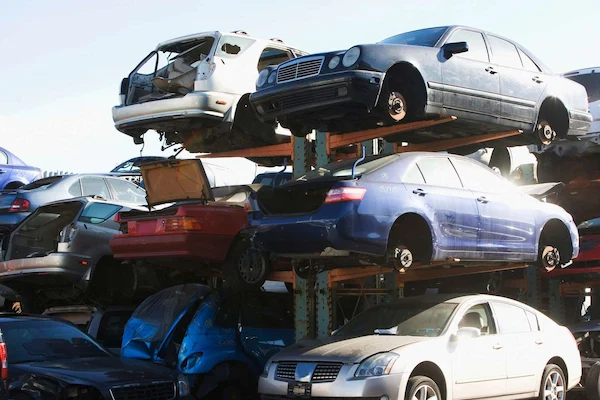
When it comes to sourcing junk cars, diverse strategies open the door to untapped opportunities. From conventional methods to online platforms, you’ll learn how to navigate this unique market and unearth potential treasures.
Check out these 5 solid junk car sourcing ways:
Advertising For Junk Cars:
Spread the word far and wide! Craft compelling ads and posters highlighting your interest in purchasing junk cars.
Place them strategically in local community centers, supermarkets, and online classifieds to attract eager sellers.
Networking With Auto Repair Shops:
Forge alliances with auto repair shops and mechanics who often encounter customers with old, irreparable vehicles.
Establish a mutually beneficial partnership, offering to buy the cars they would otherwise discard.
Connecting With Scrap Yards:
Scrap yards can be gold mines for junk cars.
Get in touch with these facilities to strike deals on vehicles that they might not have the resources or time to salvage.
Exploring Online Marketplaces:
The digital realm presents a treasure trove of opportunities.
Explore online platforms, such as auction websites, social media groups, and dedicated junk car marketplaces, to find your next potential purchase.
Building Referral Networks:
Word-of-mouth is a powerful tool.
Create a referral network by cultivating relationships with satisfied customers, auto enthusiasts, and anyone with a keen eye for spotting abandoned automobiles.
Evaluating Junk Cars
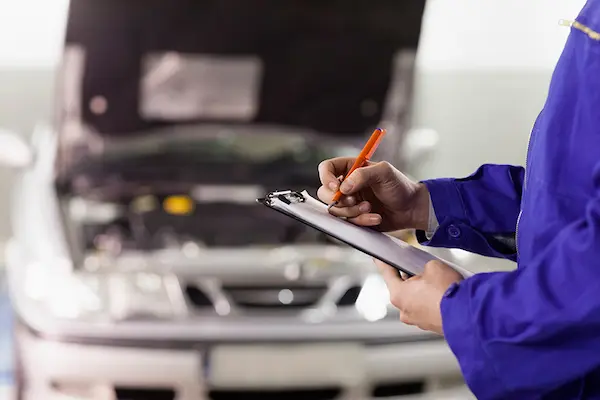
Evaluating junk cars requires a discerning eye and a practical approach to separate diamonds from duds.
Learn the art of assessing vehicle condition, salvage potential, title history, and valuable parts to make informed and profitable decisions. Check out these 5 steps:
Inspecting Vehicle Condition:
Scrutinize every inch of the junk car to assess its overall condition.
Look for visible damages, signs of wear and tear, and any potential safety hazards that could impact its value.
Assessing Salvage Value:
Determine the salvage value by estimating the costs involved in restoring the vehicle to a roadworthy state.
Calculate expenses for repairs, parts, and labor to gauge its potential resale value.
Checking Vehicle History And Title:
Avoid legal troubles and surprises by checking the vehicle’s history and title.
Verify ownership, accident records, and whether it carries a salvage title or any liens.
Determining Scrap Metal Value:
In cases where restoration isn’t feasible, understand the value of the vehicle as scrap metal.
Weigh its components to calculate potential earnings from recycling.
Identifying Valuable Car Parts:
Uncover hidden treasures within the junk car by identifying valuable parts that hold demand in the market.
Salvage and sell these components to maximize your profits.
Negotiating And Purchasing
The art of negotiation and savvy purchasing can make all the difference in the world of buying junk cars.
From offering competitive prices to ensuring secure transactions, master the skills needed to strike lucrative deals and build lasting relationships with sellers.
Effective Negotiation Techniques:
Hone your negotiation skills to find a win-win outcome with sellers.
Be persuasive, empathetic, and knowledgeable about the car’s condition to arrive at a mutually beneficial agreement.
Offering Competitive Prices:
Strike the right balance between profitability and fairness by offering competitive prices.
Research market values and consider the vehicle’s salvageable parts to make enticing offers.
Handling Paperwork And Transactions:
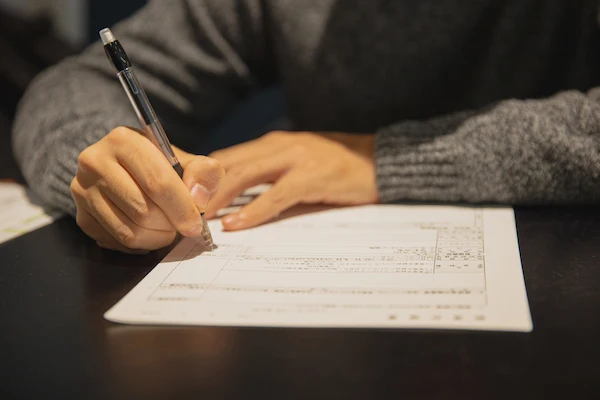
Smooth and error-free paperwork is crucial for a seamless transaction.
Ensure all legal documents, such as bills of sale and title transfers, are properly completed to avoid future complications.
Securing Safe Vehicle Transport:
Arrange safe and reliable transportation for the purchased junk cars.
Partner with reputable towing services or make use of your own transport options to move the vehicles securely.
Building Trust With Sellers:
Trust is the foundation of successful transactions.
Demonstrate professionalism, honesty, and transparency to establish a positive reputation, leading to more opportunities in the future.
Legal And Environmental Considerations
Junk car buying comes with legal and environmental responsibilities.
Safeguard yourself against potential legal issues, adhere to eco-friendly practices, and steer clear of fraudulent dealings to ensure a sustainable and lawful venture.
Complying With Local Regulations:
Understand and abide by local laws governing the buying and selling of junk cars.
Familiarize yourself with licensing requirements, title transfer procedures, and any restrictions on salvaging certain vehicles.
Proper Disposal And Recycling Methods:
Be an eco-conscious buyer! Dispose of hazardous materials responsibly and recycle non-reusable parts following appropriate environmental guidelines.
Avoiding Stolen Vehicles Or Fraud:
Vigilance is key to avoiding stolen vehicles or fraudulent sellers.
Verify ownership documents, conduct background checks, and be cautious of suspicious deals to protect yourself from legal repercussions.
Understanding Lemon Laws:
Lemon laws can apply to certain types of vehicle sales.
Know the lemon law provisions in your region to be well-informed and avoid potential issues with faulty cars.
Liability And Insurance Coverage:
Mitigate risks by exploring liability and insurance coverage options.
Ensure you are adequately protected against any accidents or damages that may occur during the buying and transport process.
FAQs
1. Where Can I Find Junk Cars For Purchase?
Look in online classifieds, junkyards, and auctions, and connect with auto repair shops and scrap yards. Advertise your interest in buying junk cars to attract sellers.
2. How Do I Evaluate The Value Of A Junk Car?
Assess its condition, salvage potential, title history, and valuable parts. Consider repair costs, scrap metal value, and market demand to determine its worth.
3. What Legal Considerations Should I Be Aware Of When Buying Junk Cars?
Comply with local regulations, verify ownership, handle paperwork correctly, and avoid dealing with stolen vehicles. Understand lemon laws and consider liability and insurance coverage.
How To Buy Junk Cars: Conclusion
As you embark on your journey into the realm of buying junk cars, armed with knowledge and practical know-how, you’ll discover a world full of hidden opportunities.
Embrace the challenges, be conscious of legal and environmental considerations, and approach each negotiation with finesse.
By transforming junk into valuable assets, you’ll not only profit but also contribute positively to the automotive industry and our planet.
So, take the plunge and turn rusty relics into a thriving business venture!