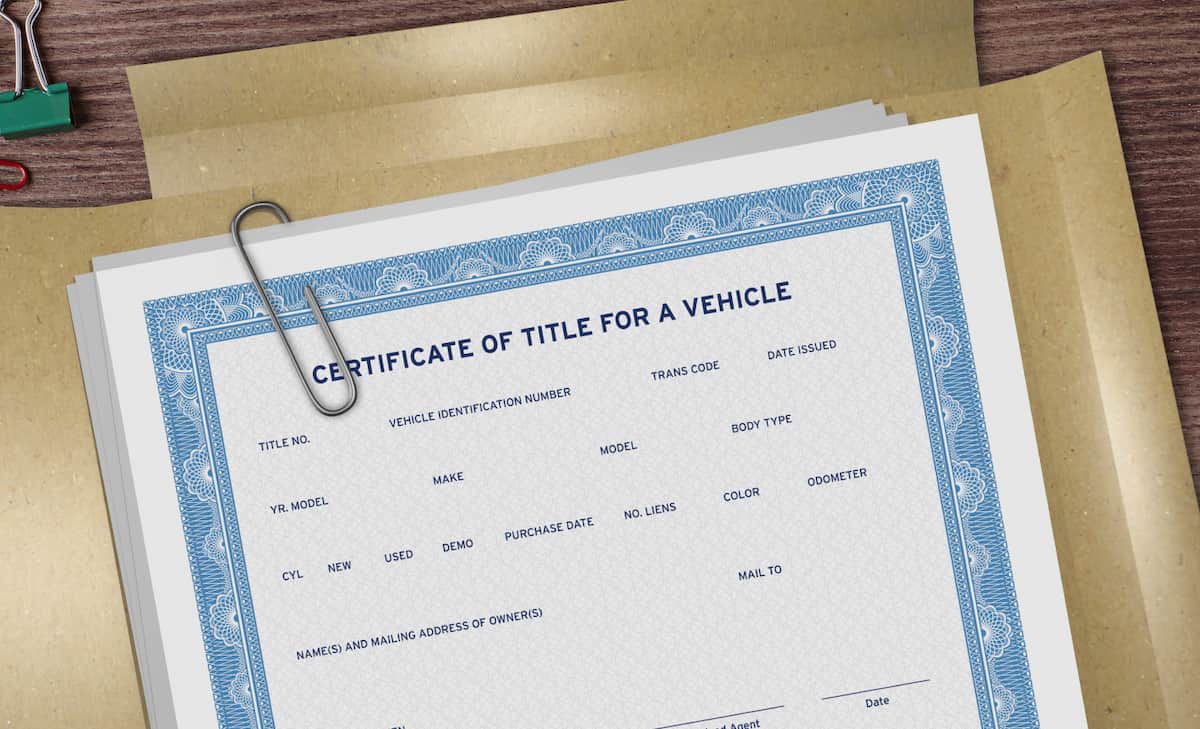
what happens to the title when you junk a car

What Happens To The Title When You Junk A Car?

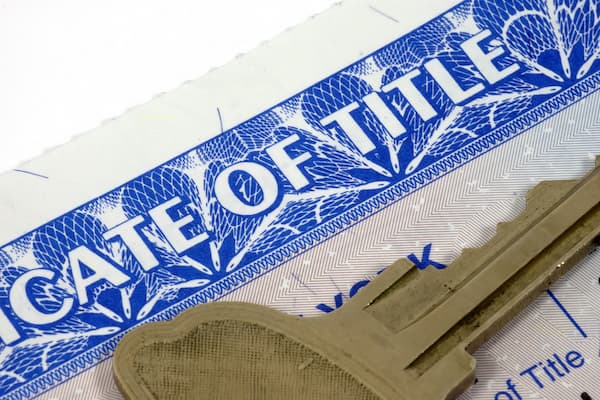
Have you ever wondered, What happens to the title when you junk a car? You can’t just forget about the title when you decide to junk your car. The title is like your car’s ID.

When you junk a car, you must transfer the title to the salvage yard, officially ending your ownership. Sign the title over and notify the DMV. The vehicle is marked as “salvaged” or “junked” in DMV records, ensuring you’re free from future liabilities. Always keep a copy for your records.

Let’s dive into what you need to do with your car’s title when you decide it’s time to say goodbye.

Key Takeaways

  • Title Transfer Required: When you junk a car, you must transfer the title to the salvage yard, officially relinquishing ownership.
  • Legal Requirement: Completing the title transfer is a legal step to avoid future liabilities and fines associated with the vehicle.
  • Documentation Matters: Ensure all details on the transfer paperwork are correct to prevent legal or financial issues.

Transferring The Title

Transferring Car Title

When you junk a car, you must move the title to the new owner, usually the junkyard. This is like handing over the keys to your house when you sell it.

Starting The Transfer

The journey begins when you choose a junkyard or salvage yard to take your car. Once you’ve picked the right place, you must tell them you want to junk your car.

They will ask for the car’s title because this is how you can show it is yours to sell.

Essential Document Checklist

Before you head to the junkyard, make sure you have these items:

  • The Car’s Title: This is the most important piece. It’s a document that says you own the car. Without it, you can’t transfer ownership.
  • Identification (ID): Bring your driver’s license or another form of ID. This proves you are who you say you are.
  • Transfer Form: Some states or junkyards have a special form you fill out when you give your car away. This form helps make the transfer official.

Compliance With State Rules

Every state has its own set of rules for junking a car. Some states can ask for extra paperwork or have special steps you need to follow.

It’s very important to check these rules before you start. You can look online, call your local DMV (Department of Motor Vehicles), or ask the junkyard for advice. Following these rules means you will avoid trouble later.

Titles In Junkyards

When you take your old car to a junkyard, the car’s title is very important. This title shows who owns the car. Here’s what happens with titles in junkyards:

Junkyard Transactions

In a junkyard, the process starts when you present your old car for junking. Here, the title is not just a piece of paper; it’s your ticket to selling your car. You show the title to the workers at the junkyard to initiate the transaction.

They assess your car. They determine its value based on its condition, make, and model. This evaluation decides how much the junkyard will pay you for the car.

Confirming Title Authenticity

The next step involves the junkyard verifying the authenticity of the title. This means they check to ensure the title matches the car and that no legal issues are attached, such as outstanding loans or liens.

This step is crucial for both parties, for you, to ensure a smooth sale, and for the junkyard to ensure they are purchasing a car free of legal encumbrances. The junkyard may use various methods to confirm the title’s authenticity, ensuring everything is in order before purchasing.

Transaction Closure And Title Handover

Once the title passes all checks, the transaction moves to closure. This is where the official transfer of ownership happens. You, the car owner, sign over the title to the junkyard. This act is significant as it legally transfers the car’s ownership from you to the junkyard.

Upon signing the title, the transaction concludes, and the junkyard becomes the vehicle’s new owner. In return, you receive the agreed-upon amount for your car.

Lost Or Missing Titles

Lost Or Missing Car Title

It’s common to misplace or lose the title of a car. This situation can seem tricky, but there are clear steps you can follow to resolve it.

Handling Lost Title Scenarios

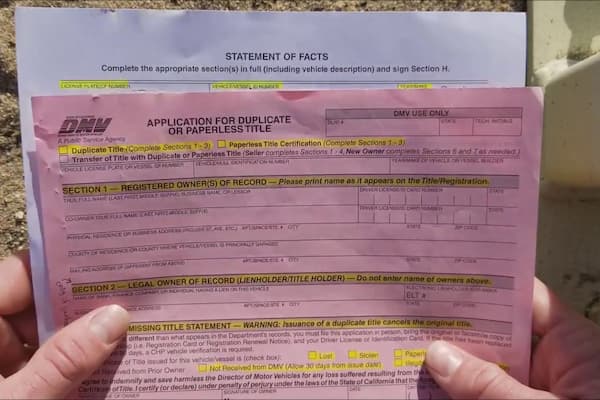
When your car’s title is lost, the first step is to contact your local Department of Motor Vehicles (DMV). The DMV requires you to complete specific forms to report the missing title.

These forms are essential for the process and must be filled out accurately. Providing all the necessary information requested is important to ensure the process goes smoothly. Honesty and accuracy in this stage are crucial.

Duplicate Title Acquisition

After reporting your lost title, you can request a duplicate title from the DMV. This process involves a fee, which varies by state. The duplicate title serves as the legal equivalent of your original title.

Obtaining this duplicate is critical, as it reestablishes your ownership of the vehicle in written form, which is necessary for the next steps.

Implications Of The Junking Process

A title is vital when you decide to junk your car, whether original or duplicate. Junkyards and salvage yards require proof of ownership before legally possessing the vehicle.

This is where your duplicate title comes into play. Once you receive it, you can proceed with the junking process. Handing over the duplicate title to the junkyard is a key step.

It signifies the transfer of ownership from you to the junkyard. This transfer is essential as it absolves you from any future liability or legal issues with the vehicle.

Without this step, you could face penalties or be held responsible for any problems associated with the vehicle after it’s out of your hands.

Legal Aspects Of Junking A Car

Legal Aspects Of Junking A Car

Understanding the legal aspects is crucial when it comes time to junk your car. These rules ensure the process is smooth and keeps you out of trouble.

Understanding Legal Duties

One of your main responsibilities is to prove ownership of the vehicle you’re junking. This is done by transferring the car’s title to the salvage yard.

The title transfer formally says, “This car belongs to the junkyard now.” It’s a clear-cut process that shows you’ve legally given up your rights to the vehicle. Handling this correctly is key to a hassle-free experience.

Preventing Fraud Risks

Why is transferring the title so important? It protects you from potential fraud. Once the car is out of your hands, without the title transfer, someone could use your vehicle for illegal activities, which could still be traced back to you.

Transferring the title to the junkyard means you’re no longer linked to the car. It’s a protective barrier, ensuring that your name is clear whatever happens next with the car.

Adhering To State-Specific Law

Laws around junking a car can vary greatly depending on where you live. Each state has its own set of regulations regarding transferring a title and completing the process properly.

These laws are in place to ensure that the process is done efficiently and legally, minimizing the chance of errors or fraud. It would be best if you learned your state’s regulations.

This will ensure that you’re following the correct steps. This includes specific forms to fill out, fees to pay, or even notifying the DMV that the vehicle has been junked.

FAQs

Duplicate Car Title

1. Can I Get A Duplicate Title Instantly After Junking Car?

After junking a car, instantly getting a duplicate title is typically impossible. The process varies by state, but generally, you must apply through the DMV, provide necessary documentation, and pay a fee. Processing times can vary, so it’s best to check with your local DMV for specifics.

2. Can I Junk A Car With A Salvaged Title?

Yes, you can junk a car with a salvaged title. Salvage yards typically accept vehicles in any condition, including those with a salvaged title. However, the value may be lower than that of cars with clean titles. Ensure to transfer the title properly and remove personal belongings before selling.

What Happens To The Title When You Junk A Car: Conclusion

When you junk a car, you must give the title to the junkyard. This shows you no longer own the car. Make sure all the information you write on the title is correct.

This is a big step to ensure you do not have problems later. Remember, giving the title to the junkyard is important. It keeps you safe from future car issues. So, always handle the title right when you say goodbye to your old car.

can i junk a car with a title loan

Can I Junk A Car With A Title Loan?

Do you want to get rid of your car but feel stuck because of a title loan? Wondering, “Can I junk a car with a title loan?” This is not only your question but also many.

Yes, you can junk a car with a title loan, but you must first pay off the loan balance or get permission from the lender. The lender holds the title, so settling the debt is essential to transfer ownership legally. Always communicate openly with your lender to avoid legal complications.

In this guide, we’ll walk you through the steps to junk your car, even with a title loan hanging over it. Let’s dive in and turn that old car into an opportunity!

Understanding Title Loans

Title Loans

First, let’s understand the basics of title loans.

Defining Title Loans

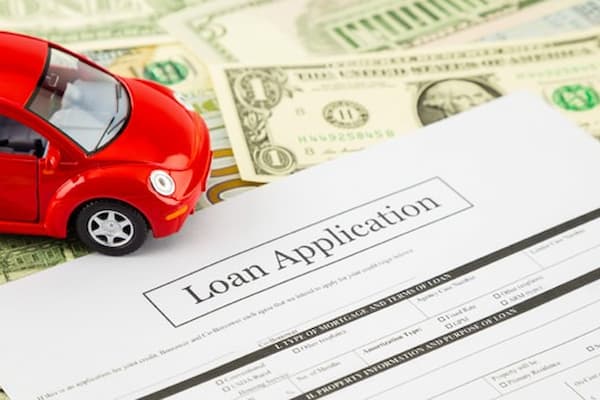
Title loans are a type of loan where you use your car as collateral. This means if you need money, you should give the lender the title to your car, and they give you cash.

You get to keep driving your car, but the lender has the title as a guarantee that you’ll pay back the loan.

It’s a quick way to get money, but you need to be careful because if you don’t pay back the loan, the lender will take your car.

Terms And Conditions Overview

When you get a title loan, there are specific rules, called terms and conditions, that you agree to. These rules say how much money you’ll get, how long you have to pay it back, and how much interest you’ll pay.

Interest is the extra money you pay for borrowing money. Title loans usually have high interest, which means they will be more expensive.

You need to understand these terms before you agree to the loan because they affect how much you’ll end up paying and what happens if you can’t pay on time.

Ownership Implications Clarified

Even though you get to keep using your car with a title loan, you don’t fully own it until the loan is paid off. The lender has a claim on your car because the title is in their possession.

This means they will legally take your car if you don’t pay the loan as agreed. It’s crucial to remember that your car is at risk, so you need to plan how you’ll pay back the loan to keep your car.

Responsibilities In Repayment

Paying back your title loan is a big responsibility. From the moment you take out the loan, you need to start thinking about how to pay it back. This includes the original amount you borrowed plus the interest.

Making payments on time is important to avoid extra fees and to keep your car. When you find you’re struggling to make payments, talk to your lender.

They will help you adjust your payment plan. Remember, clear communication and a solid plan are your best tools for managing your title loan responsibly.

Navigating The Junking Process

junk car without tires

Let’s navigate through the junking process, step-by-step:

Defining The Junking Process

Junking a car means selling it to a place called a junkyard or a scrapyard. When a car is too old, broken, or expensive to fix, “junk” it.

This means the junkyard buys your car not to drive it but to use its parts or recycle its metal. It’s a way to get rid of a car that’s not useful to you anymore and get some money for it.

The process starts with finding a junkyard that will take your car and agreeing on a price.

Valuation Of Your Car

Before you sell your car to a junkyard, you need to know how much it’s worth. This is called valuation.

The junkyard looks at what kind of car you have, how old it is, and its condition to decide how much money they’ll give you.

They’re mostly interested in the metal and any parts they reuse or sell. Even if your car doesn’t run, it still has value. The amount of money you get depends on these factors.

Meeting Junkyard Requirements

To sell your car to a junkyard, there are certain requirements you need to meet. The most important one is proving the car belongs to you.

You’ll need to show the junkyard your car’s title, which is a document that says you own the car. When your car has a loan on it, you’ll need to pay off the loan first.

Some junkyards have other rules, like removing the car’s tires or draining its fluids, before they’ll take it.

Required Documentation

When you’re ready to junk your car, you need to have the right paperwork. The most important document is the car title because it proves you own the car.

Without the title, the junkyard might not accept your car. When you have a loan on the car, you’ll also need documents showing the loan is paid off.

Sometimes, junkyards ask for other things, like a photo ID, to make sure everything is legal and correct. Make sure to ask the junkyard what documents you need before you go.

Addressing Legal Considerations

Title Loan Liens

Addressing legal considerations is one of the most important considerations while junking a car. Here’s what you need to know:

Understanding Title Loan Liens

A lien is a legal right or claim against a vehicle by the lender until the loan is paid off. When you take a title loan on your car, the lender puts a lien on your car’s title.

This means the lender has a claim on your car if you don’t pay back the loan as agreed. It’s like a safety net for the lender.

You are allowed to use your car, but you don’t fully own it free and clear until the lien is removed, which happens when you finish paying off the loan.

Variances In State Laws

Laws about title loans and junking a car are different depending on where you live. Each state has its own rules about how title loans work, how much interest lenders charge, and what rights you have.

Some states have specific rules about junking a car with a lien on it. It’s important to know your state’s laws so you understand your rights and responsibilities. This helps you make the best decisions about your car and loan.

Permissions From Lienholders

In case you want to junk a car with a title loan, you often need to get permission from the lienholder, which is the lender.

This means you have to talk to the lender and tell them you want to sell the car to a junkyard.

Sometimes, when the amount you get from the junkyard covers what you owe on the loan, the lender might agree to it.

But in case it doesn’t, you might have to pay the difference. Getting permission is important because it ensures everything is done legally and you don’t end up with more debt.

Consequences Of Defaulting

Defaulting means not paying back your title loan as promised. When this happens, the lender often takes your car because of the lien. This is called repossession.

Once the lender takes your car, sell it to get back the money you owe. Defaulting also hurts your credit score, making it harder for you to borrow money in the future.

It’s better to talk to your lender about your options instead of risking default if you’re having trouble making payments.

Exploring Options With Title Loans

Repayment Before Junking Car

Let’s explore some options with title loans in detail:

Repayment Before Junking

Before you junk a car with a title loan, it’s best to repay the loan. This means you give the lender all the money you owe them.

Once you do this, the lender removes the lien from your car’s title. With the lien gone, you fully own your car again and can sell it, including to a junkyard.

Paying off the loan makes the process smoother and ensures you are allowed to legally sell your car without any issues from the loan.

Negotiating With Lenders

In case you can’t pay off your title loan right away, you might be able to talk to your lender and make a deal.

Sometimes, lenders will agree to take less money than you owe, especially if the car isn’t worth much anymore. This is called negotiating.

When you negotiate, you and the lender agree on an amount of money that you will pay back, and they remove the lien from your car.

It’s important to talk clearly and honestly with your lender about your affordability.

Seeking Legal Counsel

When you’re unsure about how to handle your title loan or the junking process, it might be a good idea to talk to a lawyer.

A lawyer will help you understand the laws in your state and give you advice on what to do. They will also talk to your lender for you and help negotiate a deal.

Legal counsel means having an expert on your side to make sure everything is done right and fairly.

Exploring Refinancing Options

Refinancing means getting a new loan to pay off your old one. Sometimes, in case you have a title loan with high interest, find another loan with lower interest.

This new loan pays off your title loan, and then you pay back the new loan, which costs you less money in the end.

Refinancing is a good option if you’re struggling to make payments on your title loan because it makes your payments more manageable.

Alternatives To Junking

Selling Car With An Existing Lien

Instead of junking your old car, you could sell it even if it has a loan on it, trade it in at a dealership, donate it for a tax deduction

Selling With An Existing Lien

Selling your car with a lien still on it is possible. Sell your car to someone even if you haven’t paid off the loan. The buyer pays you, and you use that money to pay off the loan.

After paying off the loan, the lien is removed, and you should transfer the car’s title to the new owner. This option requires careful coordination to ensure the loan is fully paid and the title is properly transferred.

Car Trade-In Considerations

Trading in your car is another option. Dealerships often accept trade-ins, even with a lien. When you trade in your car, the dealership will appraise its value.

In case the car’s value is more than what you owe on the loan, the dealership often pays off the loan and applies the remaining value towards your next car. When it’s less, you might have to pay the difference.

Donating For Tax Benefits

Donating your car to charity is also an alternative. Some charities accept cars with liens, and they handle the payoff and paperwork. When you donate your car, you often qualify for a tax deduction.

The deduction is usually based on the car’s sale price at auction or its fair market value, providing a financial benefit even if you don’t see direct cash from the donation.

Repair And Keep Choices

Sometimes, fixing your car and keeping it is more practical than junking it or dealing with loan complications. When the repair costs are less than the car’s value to you, investing in repairs extends its life.

This option allows you to avoid the hassle of loans, selling, or junking, especially if the car holds personal or utility value beyond its monetary worth.

FAQs

Car Title Loan Terms

1. Are Title Loan Terms Negotiable For Junking?

Yes, title loan terms are often negotiated for junking. Communicate with your lender and explain your intention to junk the car and your financial condition. Many lenders are willing to work with borrowers to find a mutually beneficial solution such as adjusting the repayment or reducing the loan.

2. Is It Legal To Trade In A Car With A Title Loan?

Yes, it’s legal to trade in a car with a title loan. You must inform the dealership about the loan. They’ll evaluate your car’s value and handle paying it off. This amount will be deducted from your car’s trade-in value. It’s a simple way to move on to a new car without worrying about the old loan.

3. Does Repairing My Car Affect The Title Loan?

No, repairing your car doesn’t directly affect your title loan. The loan is based on your car’s value at the time of the loan. Repairs sometimes increase your car’s resale value, but they don’t change your loan amount or terms. Always keep up with regular loan payments to avoid any issues.

Can I Junk A Car With A Title Loan: Conclusion

And there you have it! Junking a car with a title loan sounds like a tricky business, but it’s doable with a bit of know-how and some careful planning.

Whether you decide to pay off that loan and say goodbye to your old friend, negotiate with your lender, or explore one of the many alternatives to junking, you’ve got options.

So, take a deep breath, consider your possibilities, and take that next step with confidence.

what to do with title when junking car

What To Do With Title When Junking Car

Are you planning to say goodbye to your old car? Remember, the title of your car is super important. But what to do with title when junking car?

When junking a car, ensure you transfer the title to the salvage yard. This legally documents the sale and release of ownership. Fill out the title assignment section, including buyer’s information and sale date, then submit it to your DMV if required.

In this comprehensive guide, we will provide you with guidelines on what to do with title when junking a car. Let’s make this process easy and stress-free for you!

Transfer Of Ownership

Transfer Of Car Ownership

To transfer ownership when junking your car, you need to fill out the car’s title with the junkyard’s details. Let’s explore the transfer of ownership in detail:

Understanding Title Transfer Requirements

When you junk your car, transferring the title is a must. This means you officially hand over ownership to the junkyard. The title has a special spot where you write the buyer’s (junkyard) name and the sale date.

Make sure everything you write is correct. When you skip this step, you will still be on the hook for anything that happens with the car. So, it’s very important to transfer the title correctly.

Necessary Paperwork For Ownership Change

When you’re ready to junk your car, having the right papers is key. Here’s what you typically need:

  • The Title

This is the main document. It proves you own the car. You’ll fill out the back, putting in the junkyard’s name as the new owner and the date you’re giving the car away.

  • Duplicate Title

In case you’ve lost your title, you need to ask for a new one at the DMV. You need to fill out a form and pay a fee.

  • Bill Of Sale

This paper is like a receipt. It shows you sold the car. It should have the car’s details (like model and year), the sale date, and how much (or little) you sold it for.

  • ID Proof

Some places ask for your driver’s license or another ID. This is to make sure you are the car’s owner.

  • Release Of Liability

This form tells the state you no longer own the car. It’s important because it frees you from any future tickets or fees the car often gets.

Verifying State-Specific Regulations

Every state has its own set of rules when it comes to junk a car. Here’s what you need to check:

  • Forms Needed

Some states want just the title and a bill of sale. Others ask for a special junk vehicle form. It’s important to know which forms your state requires.

  • License Plates

In many places, you must remove the car’s license plates and return them to the DMV. But, some states let you keep them. Find out what your state expects.

  • Emissions And Safety Inspections

When your car is still on the road before deciding to junk it, check if you need to cancel any upcoming inspections. This isn’t always needed but good to know.

  • Sales Tax

A few states need you to handle sales tax matters when junking a car. Usually, there’s no tax for junking, but it’s worth checking.

  • Environmental Regulations

Some areas have strict rules about disposing of a car in an eco-friendly way. Make sure the junkyard follows these rules to avoid fines.

Notifying The DMV

Notifying The DMV

When you’ve junked your car, you have a set amount of time to tell the DMV. Here’s what you need to know:

Informing The DMV

After you junk your car, you need to tell the DMV. This means you let them know you’re no longer the car’s owner. Do this by going to the DMV in person, online, or sometimes by mail.

Telling the DMV stops you from being responsible for anything to do with the car after it’s junked. It’s a simple but important step to make sure the car is officially not yours anymore.

Confirming The DMV Requirements For Notification

Each state’s DMV has different rules on how to tell them about junking your car. Some states need a specific form filled out, while others just need a letter or an online form submission.

You often also need to give them the junked car’s title or a bill of sale. Check your state’s DMV website or call them to find out exactly what you need to do.

This way, you make sure you’re doing everything right according to your state’s laws.

Timelines And Deadlines For Reporting To The DMV

There’s usually a time limit for telling the DMV about your junked car. This is 5 days or up to 1 month after the car is junked.

Notify the DMV within this time to avoid paying fines. The exact time you have varies from state to state. After you report, get confirmation from the DMV.

This is your proof that you’ve informed them and are no longer responsible for the car.

Release Of Liability

To release the liability of your car, you need to fill up a special form and tell the DMV. Let’s break down this process in detail:

Importance Of Releasing Liability To Protect The Seller

When you junk your car, you want to make sure that car is not yours anymore. Otherwise, it could cause trouble later, like getting parking tickets or being in accidents.

Filling out a release of liability form keeps you safe from being blamed for things you didn’t do after the car is gone. It’s a key step in making sure you’re fully separated from the car.

Steps To Properly Complete A Release Of Liability

There are 4 easy steps to properly complete a release of liability. They are:

  • Find The Form

Start by visiting your state’s DMV website or going to the DMV office to get the release of liability form. Each state has its form, so make sure you get the right one for where you live.

  • Fill It Out

Write down your details, the car’s details like its make, model, year, and VIN (Vehicle Identification Number).

Write the name and address of the junkyard or person you’re giving the car to. Also, put down the date you gave them the car. This shows the DMV who’s responsible for the car now.

  • Submit The Form

People usually do this online, by mail, or in person at the DMV. Pick the way that’s easiest for you.

  • Keep A Copy

After you submit the form, make sure you keep a copy for yourself. This is your proof that you did everything right. Again, in case there’s ever a question about car ownership, show this copy to clear things up.

Ensuring A Smooth Transition

To ensure a smooth transition, submit your release of liability as soon as the car is junked. Don’t take too much time. Make sure all the information on the form is correct. Mistakes will slow things down.

Whether you submit online, by mail, or in person, get a confirmation that the DMV received your form. This is either an email confirmation or a stamped copy.

Salvage Title Considerations

Salvage Title Considerations

Salvage title considerations refer to understanding the process and implications of obtaining a salvage title for a vehicle. Let’s explore what you need to do to get a salvage title for your car and how to do it.

When And How To Obtain A Salvage Title

A salvage title is needed when a car is too damaged to be considered safe to drive but can still be sold for parts or scrap. Follow the steps to obtain a salvage title:

  • Check proper definition: Check if your car fits your state’s definition of a “salvage vehicle.” This usually means it has major damage.
  • Go to DMV: Then, go to your local DMV with the car’s original title and any repair bills or damage assessments.
  • Follow the process: DMV will guide you through the process, which includes filling out a salvage title application and paying a fee. This switches the car’s status from regular to salvage in the official records.

Implications Of Having A Salvage Title

Having a salvage title means the car is mainly good for parts or possibly repair by someone who meets the strict requirements to make it road-worthy again. It can’t be driven as is.

This title warns buyers about the car’s condition, affecting its value and insurance options. Insurance companies only offer limited coverage for salvage cars, if any, because of the higher risks involved.

State-Specific Rules For Obtaining A Salvage Title

The rules for getting a salvage title vary from one state to another. Some states require an inspection of the damaged vehicle before issuing a salvage title, while others have specific forms or additional documentation requirements.

The amount of damage that qualifies a car for a salvage title also differs; some states use a percentage of the car’s value, and others have a list of qualifying damage types.

Checking with your state’s DMV is crucial to understand the exact process, fees, and paperwork needed. This ensures you follow the correct steps and avoid any legal or financial surprises down the road.

Working With Junkyards And Buyers

Working With Junkyards

You need to follow some simple techniques to communicate with junkyards and buyers. Let’s learn in detail how to check what the buyer expects from the title:

Communication Regarding Title Requirements With Buyers

When you’re selling your car to a junkyard or buyer, talk about the title upfront. Tell them you have the title and it’s ready to be transferred. Ask if they need anything else, like a bill of sale.

Some buyers also want to know if the title is clear—that means no loans or liens against the car. Clear communication makes sure both you and the buyer know what’s needed for a smooth sale.

Confirming Buyer’s Expectations For The Title

Before you finalize the deal, double-check what the buyer expects with the title. Some people want a salvage title if the car is damaged, while others are okay with a regular title.

They often also ask for specific information to be included when you sign the title over, like their business name and address. Knowing these details helps you fill out the title correctly and avoid any last-minute problems.

Guiding Sellers On Title-Related Queries From Buyers

When a buyer has questions about the title, be ready to help. Explain what a clean title is, how a salvage title works, and what information you need to put on the title when selling.

When you’re not sure about something, it’s okay to say you’ll check and get back to them.

Sometimes, directing them to your state’s DMV website for official information is also helpful. Being helpful and informed builds trust with the buyer and makes the sale go more smoothly.

FAQs

Junking My Car

1. Do I Need A Salvage Title Before Junking My Car?

No, a salvage title isn’t always required to junk your car. If the car is destined for a junkyard and won’t be reused, many locations waive the need for a salvage title. Still, it’s essential to verify your state’s regulations beforehand to ensure compliance and avoid any legal issues.

2. How Do I Release Liability When Junking My Car?

To release liability when junking a car, complete and send a release of liability form to your DMV. This informs them you’ve sold the vehicle and aren’t liable for it. Always keep a copy for your records to ensure you’re protected and have proof of the car’s transfer.

3. Can I Junk My Car Without A Title In Some Cases?

Yes, you can junk your car without a title in some instances. Certain junkyards may accept vehicles without a title, requiring documented proof like the vehicle’s registration and your driver’s license. This process ensures the car is legally disposed of, even without the title.

What To Do With Title When Junking Car: Conclusion

Wrapping up our guide on what to do with title when junking a car, it’s clear that the process is straightforward but crucial. Ensure you transfer the title, inform the DMV, and release your liability to smoothly part ways.

Handling the title correctly is the final step in responsibly saying goodbye to your car. So, when it’s time to junk your car, take a moment to follow these steps and be ready for your next adventure without any worry.

who buy junk cars without title or keys

Who Buy Junk Cars without Title or Keys

Are you stuck with an old car gathering dust in your backyard because you’ve lost the title and keys? You probably think it’s a lost cause, but there’s good news! Some people buy junk cars without titles or keys.

Many junkyards and salvage yards buy junk cars without titles or keys. They even offer cash for vehicles regardless of their condition. These businesses specialize in recycling parts and scrap materials. Their approach provides an eco-friendly option for disposing of inoperable cars.

This guide will show you who buy junk cars without title or keys and turn your problem into profit. Keep reading to find out how to make the best out of what seems like a dead end.

Junkyard Salvage Services
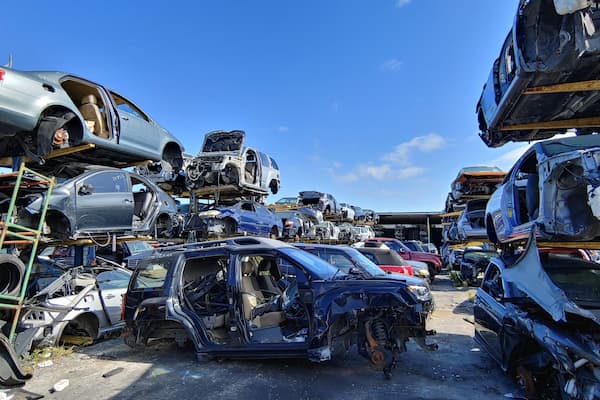
Junkyard Salvage Services

Junkyard salvage services are one of the good options where you sell or dispose of old, non-running, or unwanted vehicles, regardless of their condition.

Local Junkyards Accepting Cars Without Titles

Local junkyards often welcome cars without titles, making it easy for you to get rid of an old vehicle that’s just taking up space. These places don’t mind if you’ve lost the paperwork.

They’re mainly interested in the car’s metal and valuable parts. When you bring your car to them, they’ll ask a few questions about it, like its make, model, and condition, but not having a title usually isn’t a deal-breaker.

Salvage Yards That Handle Keyless Vehicle Purchases

Salvage yards are another type of business that buys cars even if you don’t have the keys. These yards are all about recycling. They know how to deal with a car that can’t be started or opened the usual way.

They’ll use special tools to inspect the vehicle and decide what it’s worth. The process is straightforward, and you won’t have to worry about finding the keys.

How These Services Assess And Value Such Cars

When junkyards and salvage yards evaluate cars without titles or keys, their assessment and valuation process is thorough and multifaceted. Here’s a closer look:

  • Vehicle Make And Model

The make and model of the vehicle play a significant role in its valuation. Certain brands and models are known for their durability and the demand for their parts.

Cars from popular makers fetch a higher price due to the higher demand for their components.

  • Condition Of The Vehicle

The overall condition of the vehicle is crucial. Even without a title or keys, a car that’s relatively intact or has salvageable parts is more valuable than one that’s severely damaged. The less rust and damage, the better the value.

  • Weight Of The Vehicle

The vehicle’s weight is directly related to its scrap value. Heavier vehicles generally contain more metal, which means they are worth more to salvage yards that recycle metal.

  • Year Of Manufacture

The age of the car is another factor. Older vehicles often have rare parts that are hard to find, increasing their value. Conversely, newer cars generally have more valuable parts that are in better condition or higher demand.

  • Salvage Yard’s Inventory

The current inventory of the salvage yard influences how much they’re willing to pay for a car. In case they have many similar models, they offer less. They will pay more if your car is unique in their current inventory.

Benefits Of Choosing A Junkyard For Quick Transactions

When choosing a junkyard for selling your car without a title or keys, several benefits make this option attractive:

  • Quick money: Junkyards often pay on the spot. This means you get cash for your car quickly, usually the same day you bring it in.
  • Easy process: Selling to a junkyard is straightforward. You don’t have to deal with ads, meet strangers, or negotiate prices. The junkyard handles everything.
  • Less paperwork: Selling a car usually involves paperwork. But with a junkyard, you don’t need a title, making the process simpler.
  • Clear space: An old car takes up space. Sell it to a junkyard and use that space for something else, like a new car or more room in your garage.

Environmental Aspects Of Recycling Through Salvage Yards

Recycling your car through a salvage yard has significant environmental benefits. Here’s how it helps:

  • Less waste: When you recycle a car, its parts and materials get reused. This means less trash ending up in landfills, which is better for the earth.
  • Saves resources: Recycling car parts means less need to make new ones. This saves materials like metal and plastic, reducing the need for mining and manufacturing.
  • Less pollution: Making new parts creates pollution. By reusing car parts, we reduce the pollution that comes from manufacturing and disposing of materials.
  • Uses less energy: It takes a lot of energy to produce new car parts. Recycling uses less energy, which means less reliance on fossil fuels and lower carbon emissions.

Scrap Metal Buyers
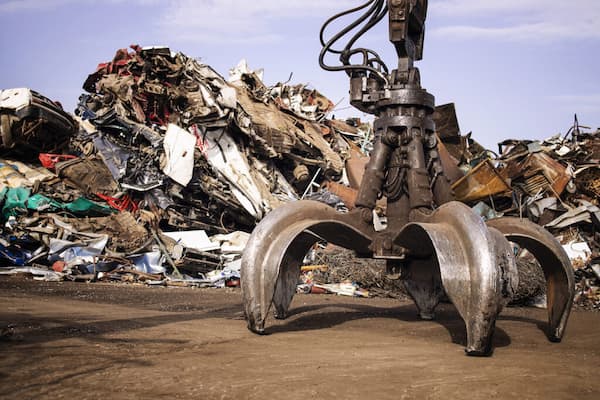
Scrap Metal Buyers

Selling metal parts to buyers is a good way to make some money off a car that’s too old or broken to be sold as a vehicle.

Buyers Focusing On Scrap Metal From Old Cars

Scrap metal buyers specialize in collecting metal from old cars to recycle and repurpose. These buyers look at your car as a treasure trove of metal that can be melted down and used again. They’re not interested in your car’s make, model, etc.

They just care about how much metal your car has. This includes steel, aluminum, and other metals in the car’s body, engine, and parts.

How The Scrap Metal Value Is Determined

The scrap metal value is determined based on some factors, such as:

  • Current Metal Prices

The current market prices for metals significantly influence the car’s value. Since a substantial part of the car’s worth comes from its scrap metal, fluctuations in metal prices, increase or decrease its value accordingly.

  • Type Of Metal

Not all metals are the same. Some are worth more. Cars have different metals, like steel, lead, aluminum, etc. Generally, metals like steel and copper are highly-priced.

  • Location

Where you are selling the metal parts matters; some places pay more for scrap metal because they need it more. Prices are different in different places.

Steps Involved In Selling To Scrap Metal Buyers

There are 5 key steps involved in selling scrap metal, such as:

1. Find A Buyer

Look online or in the phone book to find places that buy scrap metal. Choose one that offers good prices and is close to you.

2. Get A Quote

Call the buyer or use their website to find out how much they’ll pay for your car. Tell them about your car’s condition and type.

3. Prepare Your Car

Take out all your things from the car. When the buyer pays more for clean metal, try to clean up your car a bit.

4. Arrange Pickup Or Drop-Off

Some buyers will come and get your car. Others want you to bring it to them. Find out what your buyer does and set up a time.

5. Complete The Sale

When the buyer takes your car, they will weigh it and tell you how much they’ll pay. Agree to the price, and they’ll give you the money.

Key Considerations When Dealing With Scrap Metal Buyers

When considering selling your car to a scrap metal buyer, remember a few things.

  • Fair Price: Make sure you’re getting a fair price. Look up current metal prices or ask a few buyers for quotes.
  • Weigh & Pick-up Point: Be clear about how they’ll weigh your car and calculate the price. Also, check if they’ll pick up your car or if you need to bring it in.
  • Authenticity: Make sure they’re a legitimate and authentic business that recycles the metal in an environmentally friendly way.

Environmental Impact Of Recycling Through Metal Buyers

Recycling your car through scrap metal buyers has a big positive impact on the environment. It reduces the need to mine new metals, which are harmful to the earth.

Recycling metals uses less energy than making new metals from scratch, which cuts down on carbon emissions. It also means less metal ends up in landfills, which pollute the soil and water.

By selling your old car to a scrap metal buyer, you’re helping to keep the planet healthy.

Auto Wreckers And Dismantlers

Auto Wreckers And Dismantlers

Auto wreckers and dismantlers take old cars that don’t work anymore and break them down for parts and metal. This helps rid old cars in an eco-friendly way and gives the cars’ parts a second life.

Auto Wreckers Dealing With Cars Lacking Titles

Auto wreckers often take cars without titles. They don’t plan to drive the cars or sell them as whole vehicles. Instead, they break them down for parts or scrap. This means a lost title isn’t a big problem.

Sell your old car to them and get some money. Auto wreckers have ways to check the car’s history to ensure it’s okay to dismantle.

Dismantlers Specializing In Vehicles Without Keys

Dismantlers focus on taking cars apart, even if there are no keys. They have tools to open and start cars without damaging them.

This way, they check the car’s parts to see what’s good and what’s not. Cars without keys are still valuable for their parts and metal.

Processes Involved In Dismantling And Recycling

The key processes involved in dismantling and recycling include the following steps:

  • Removing Fluids

First, they take out all the liquids like oil, gas, and coolant. This is important because these fluids harm the environment. They make sure to do this carefully so nothing spills.

  • Taking Apart

Next, workers remove reusable parts. They take off things like the engine, seats, and wheels. Each part is checked to see if it’s still good.

  • Sorting Metals

After taking out the parts, they sort the metals. Different metals are kept separate because some are worth more. This makes recycling easier and more effective.

  • Crushing The Carcass

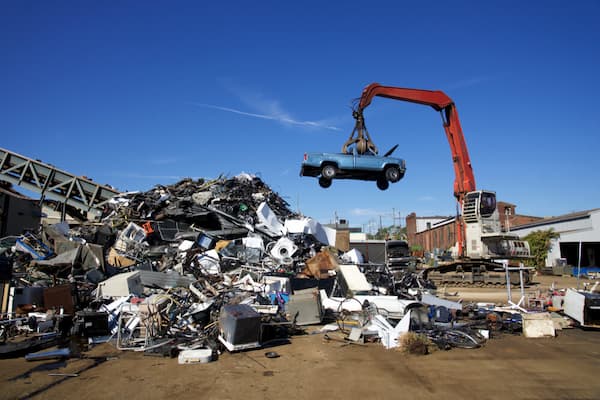
What’s left of the car is the frame getting crushed into a small block. This makes it easier to transport and recycle the metal.

  • Recycling Metal

The crushed metal is melted down to make new things. This can be anything from new car parts to construction materials. Recycling metal saves resources and energy.

The Role Of Salvageable Parts In The Transaction

Reusable parts make the car worth more. Auto wreckers look for things like engines, transmissions, and electronics that still work. These parts are cleaned and tested.

Then, those parts were sold to people or shops fixing other cars. This is how auto wreckers make a lot of their money.

Pros Of Working With Auto Wreckers

Some pros of working with auto wreckers are:

  • Easy Process: Selling your car to an auto wrecker is simple. You don’t need to advertise or meet buyers. They handle everything, making it stress-free.
  • Quick Sale: Auto wreckers usually offer fast transactions. Sellers often get rid of their car and receive payment quickly, sometimes on the same day.
  • No Title Needed: Many auto wreckers will buy your car even if you don’t have the title. This is great for cars that are old or in bad shape.
  • Environmentally Friendly: Auto wreckers recycle your car. This reduces waste and pollution, making it a green choice for disposing of an old vehicle.

Cons Of Working With Auto Wreckers

Now, let’s look at the cons of working with auto wreckers:

  • Lower Prices: Auto wreckers usually pay less for your car than you would get from selling it to a private buyer, even if it’s just for parts.
  • Towing Fees: Some auto wreckers charge you to tow your car away. This fee lowers the total amount of money you get from the sale.
  • Limited Negotiation: Prices offered by auto wreckers are often fixed. There’s not much room to negotiate a better deal for your car.

Online Platforms For Parts
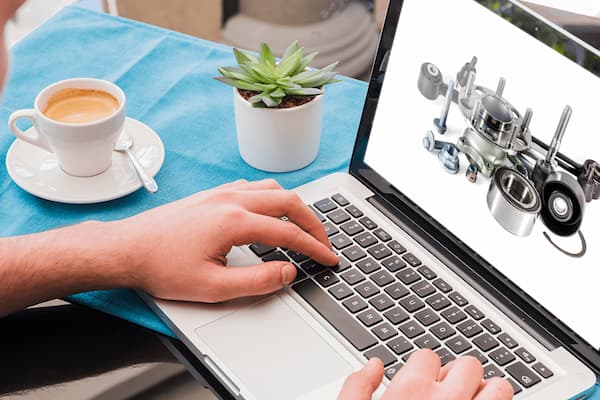
Online Platforms For Car Parts

Online platforms for parts allow you to sell car parts to people all over the internet. These websites give you a place to list and describe each part you’re selling, complete with photos and prices.

Online Platforms Buying Junk Car Parts Directly

Online platforms let you sell junk car parts right from your home. These websites connect you with people all over who need parts for their cars.

You list the parts you have, like wheels, engines, or seats, and buyers contact you if they’re interested. This way, parts of old cars that still work are usable again, which is good for the environment and your wallet.

How The Selling Process Works On These Platforms

The selling process works on these platforms as the following:

1. Create An Account

The first step is to sign up. You need an email and sometimes a phone number to start selling.

2. List Your Parts

Take clear photos and write a simple description for each part you’re selling. Include the condition, like “used” or “like new.”

3. Set A Price

Think about how much you want for each part. Do market research. Look at what others charge for similar items to help you decide.

4. Wait For Buyers And Contact

After listing, wait for people to see your parts. Buyers will send messages if they’re interested. When someone shows interest, contact them. Talk about the price and how you’ll send the part. Use the website’s chat for safety.

6. Send The Part

Once you agree on everything, send the part to the designated address. Use tracking to make sure it gets there. Also, make sure the person whom you’re selling to is a real person.

7. Get Paid

After the buyer gets the part, you’ll get your money. The platform takes a small fee as a commission.

Advantages Of Selling Parts Separately

Selling parts separately generally makes you more money than selling the whole car to a junkyard. Some parts, like catalytic converters or GPS systems, are worth a lot.

Also, by selling parts, you help others fix their cars for less money. It’s a way to make sure good parts don’t go to waste.

Risks And Precautions When Using Online Platforms

When selling online platforms, be careful of the following situations:

  • Scam Buyers: Some people will try to trick you. They could say they paid when they didn’t. Always check you got the money first.
  • Payment Issues: Be careful with how you get paid. Use safe ways to get money, like PayPal or the platform’s system. Don’t take checks or strange payment apps.
  • Personal Safety: When meeting in person, choose a safe place. Many towns have “safe zones” at police stations for this.
  • Shipping Problems: Sending parts has chances to go wrong. Use tracking numbers to watch where your part goes. Make sure the buyer’s address is right.
  • Fake Listings: Don’t trust every buyer. When something feels wrong, it might be. Listen to your gut feeling.

Popular Online Platforms For Selling Junk Car Parts

There are some popular online platforms for selling junk car parts. Let’s look at some of them:

  • eBay Motors

eBay Motors is a part of eBay, especially for selling vehicle parts and accessories. It’s known worldwide, which means your listed parts are seen by a huge number of potential buyers.

You will auction your items or set a fixed price. eBay offers protection for sellers against fraud. However, they charge fees for listing and selling. It’s ideal for rare or specialized parts that attract higher bids.

  • Craigslist

Craigslist is a classified ads website that’s great for local sales. It doesn’t charge fees for most listings, making it a cost-effective option. Post here detailed ads with photos of your car parts.

Since it’s local, buyers come and inspect parts before buying, reducing the risk of returns. However, you have to be cautious of scams. It’s perfect for bulky items that are difficult or expensive to ship.

  • Facebook Marketplace

Facebook Marketplace leverages the social media platform to let you sell to local buyers. It’s free to list items, and you need to use your Facebook profile to provide trust and transparency. The platform allows for easy communication through Messenger.

It’s user-friendly and integrates with your social network, expanding your potential buyer base. However, transactions are between individuals, so caution is advised. The marketplace is particularly good for quickly moving items locally.

  • Car-Part.com

Car-Part.com specializes in auto parts, connecting sellers with buyers looking for specific car parts. It’s widely used by professional dismantlers and private sellers alike.

The site offers a searchable database, making it easy for buyers to find what they need. Listing your parts here reaches a targeted audience actively searching for auto components. It’s particularly useful for standard and common parts.

Private Buyers And DIY Enthusiasts

Private Junk Car Buyers

Private buyers and DIY enthusiasts are individuals who often seek out cars for personal projects, parts, or restoration efforts, even if those cars lack titles.

Individuals Interested In Buying Cars Without Titles

Some people don’t mind buying a car if it doesn’t have a title. They want the car for parts or to try to get a new title themselves. These buyers usually know a lot about cars and how to deal with the paperwork.

They can fix a car that’s the same as yours and needs extra parts. Or, they might see it as a challenge to make an old car run again.

Selling to these buyers is often quick, but you will not get as much money as selling parts separately.

DIY Enthusiasts Looking For Restoration Projects

DIY enthusiasts love finding old cars they fix up. They often look for a specific model to restore. These hobbyists enjoy the work and often do not care if the car has a title.

They see value in what others think is just junk. Find them on online forums or car clubs. They often pay more if the car is what they’re looking for.

Selling Considerations For Private Buyers

For selling your junk car to private buyers, consider these issues:

  • Be Honest: Tell the truth about your car’s condition. Share all you know about its history and issues. This builds trust.
  • Set a Fair Price: Think about what your car is worth. Look at prices for similar cars. A fair price is good for everyone.
  • Understand the Law: Know the rules for selling a car in your place. This keeps you out of trouble. Follow the law always.
  • Meet Safely: Choose a public place to meet the buyer. This keeps you safe. Avoid meeting at your home if possible.

Legal Aspects And Precautions For Private Sales

Follow some key tips to make sure your car sale goes the right way.

  • Check Title Laws: Some places let you sell cars without titles, others don’t. Find out what your area says about this. It’s very important.
  • Bill of Sale: Always write a bill of sale when you sell your car. It should say the car is sold “as-is.” This paper protects you.
  • Report the Sale: Tell your local car office you sold the car. This stops any new problems with the car from coming to you.
  • Remove License Plates: Take off your car’s plates before you sell it. This is your job, not the buyer’s. It keeps you safe.
  • Avoid Payment Tricks: Safely get your money. Cash is good. Be careful with checks or online payments.

Connecting With Communities Of Car Enthusiasts

Finding buyers is easier if you connect with car enthusiast communities. These are online forums, social media groups, or local clubs. Share your story and what you’re selling.

Be honest and friendly. These communities often have selling tips and help you find a buyer. It’s also a good way to learn more about cars and meet people who share your interests.

FAQs
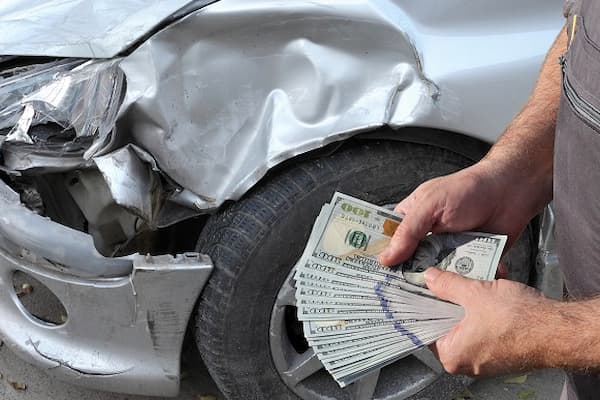
Who Pays Most For Junk Cars

1. Who Pays Most For Junk Cars?

Generally, specialized auto salvage yards and metal recyclers pay the most for junk cars. However, the payment for junk cars varies by location and the condition of the vehicle. Again, the amount of money depends on the metal prices.

2. Can You Junk A Car Without A Title?

Yes, you can junk a car without a title. Some junkyards and salvage yards will accept cars without titles. But they often ask for other proof that you are the owner of the car.

Who Buy Junk Cars Without Title Or Keys: Conclusion

Finding the right answer to “who buy junk cars without title or keys” seems like looking for a needle in a haystack, but the truth is far more uplifting.

Whether it’s a local junkyard ready, a salvage yard looking for parts, or online platforms and private buyers searching for their next project, there are plenty of options for selling your junk car without a title or keys.

So, don’t let your old car just sit there. Turn it into cash, help the planet by recycling, and even bring joy to someone looking for that very part you have.

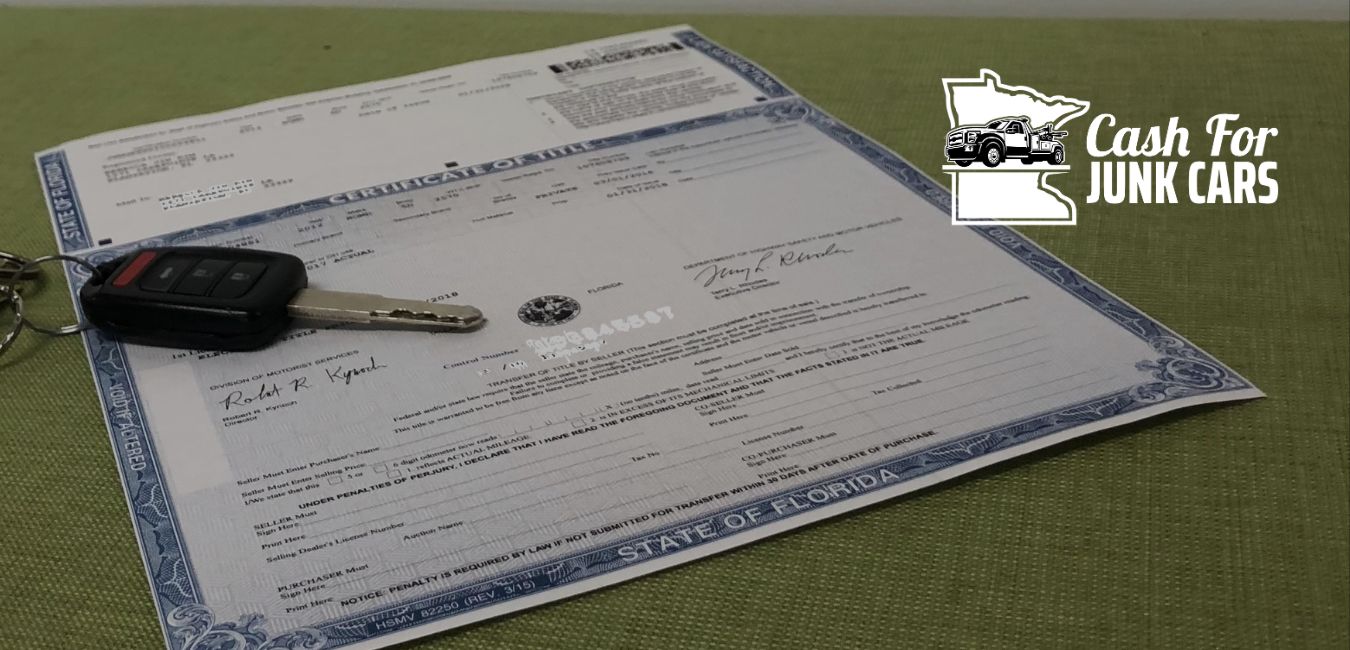
where to sign title when junking a car

Where To Sign Title When Junking A Car?

Are you planning to junk your old car? It sounds like a simple task, but there’s one important detail you shouldn’t miss: signing the car’s title correctly. Do you know where to sign title when junking a car?

When junking a car, it’s essential to sign the title in the designated area for the seller, usually found on the back. Fill out all required information accurately to ensure a smooth transfer and avoid legal complications. This step is crucial for a legitimate sale.

This easy-to-follow guide will show you exactly where to sign the title when junking a car. We’ll walk you through each step to ensure you do it right. So, let’s begin!

Understanding The Title

Understanding Car Title

The car title is a document that describes the ownership of the car. Before you junk your car, make sure the title is clear and in your name.

Identifying Title Location

The car title is an important piece of paper that shows you own your car. It’s not something you use every day, so people often keep it in a safe place. Keep the paper in a home office or a safe.

Sometimes, it’s kept in a bank-safe deposit box. Find your title before you start the process of junking your car.

When you have lost the title, you’ll need a new one from the place that handles car paperwork in your state, the DMV (Department of Motor Vehicles).

Key Information On The Title

The car title includes very important information about your car and you. It shows your name as the car’s owner. It includes the car details, like the make, model, the year it was made, etc.

It also includes a special number called the VIN (Vehicle Identification Number). This number is like a car’s unique fingerprint. The title also shows how many miles the car has been driven, known as the odometer reading.

When you look at your title, check that all this information is correct. This is important because when you junk your car, the place you take it to will see that the information on the title matches your car.

Checking For Lienholder Details

On your car’s title, check the lienholder section. A lienholder is a person or a company that lent you money to buy the car, like a bank.

When there’s a lienholder listed, it means they have a legal interest in the car until you pay off the loan. When you look at your title, check if there’s a name listed as a lienholder.

When there is, and you’ve paid off your car, you need to get the lienholder to update or remove their information from the title.

Ensuring Title Legibility

The car title needs to be easy to read. This means all the words and numbers on it should be clear. The title is hard to read if it has gotten wet, torn, or faded over time.

This creates a problem because when you go to junk your car, the people there will need to read everything on the title. Otherwise, they might refuse it. Get a new title if your title isn’t in good shape.

Preparation For Junking

Preparation For Junking

Preparation for junking involves several key steps to ensure a smooth process. Let’s explore them in detail:

Removing Personal Belongings

Before you junk your car, take out all your personal stuff. Start by looking in the usual places like the glove compartment, the pockets on the back of the seats, and under the seats.

Don’t forget the trunk, where you have stored tools, emergency supplies, or other items. Check the CD player for any discs you left inside. Also, remove any electronic devices or chargers that are plugged in.

Verifying Ownership Information

Make sure that all the ownership details on the title match your current information. This includes your name, address, and other personal details. Always include the updated details if you’ve moved or changed your name since you got the car.

Get this done by contacting the DMV and requesting a change. They will need some proof of your new information, like a driver’s license or a utility bill with your new address.

It’s important to do this because when you junk your car, the junkyard or the recycling center will check to make sure that the person junking the car is the actual owner. They do this to prevent theft and fraud.

Settling Outstanding Liabilities

When you have a loan on the car, you must pay it off. Contact your lender to find out how much you still owe and arrange to pay it.

Pay the bills if there are any traffic fines associated with your car. Check with your local traffic department or DMV to see if there are any outstanding fines. Sometimes, these are linked to your car’s license plate or VIN.

Paying off these debts is important because the place where you junk your car will check for any liabilities. They may refuse to take the car if they find any liabilities.

Obtaining Necessary Documentation

Along with the car title, you often need other documents to junk your car. This often includes a valid photo ID, like a driver’s license or a state ID card. This proves that you are who you say you are.

Some places also ask for more paperwork, like a release of liability form or a vehicle surrender form. These forms tell the state that you’re no longer responsible for the car.

Signing The Title

Signing The Title

Signing the title is an important step in junking your car. Make sure to sign in the right spot on the title, using the same way you always do.

Locating The Signature Section

Find the right place on the title for your signature. This area is usually clearly marked and found on the back of the document. Look for labels like “Seller’s Signature” or “Owner’s Signature.”

This section is designed for you to officially sign off on your ownership of the car. It’s important to not sign anywhere else on the title because sometimes doing so makes the title invalid.

The exact location often varies depending on your state, so take a moment to check the title carefully. Whether you’re unsure where to sign, ask for help at the DMV or the place where you’re junking the car.

Using Correct Signature Format

When signing your car title, it’s crucial to use the correct format for your signature. This means signing your name exactly as it appears on the title.

When your middle name or initial is on the title, you need to include that in your signature. Also, if there’s a suffix like Jr. or Sr. after your name, don’t forget to add that too.

This step is very important because the signature needs to match the name printed on the title for legal reasons.

Avoiding Common Singing Mistakes

To avoid common singing mistakes, consider the following:

  • Sign In The Right Spot

Look carefully at the title for where it says to sign. Make sure you sign exactly there. Signing in the correct spot shows you agree to transfer the car legally.

  • Use Your Full Legal Name

Your signature needs to match the name printed on the title. Whether the title includes your middle name or any initials, make sure to include them in your signature. This helps avoid confusion and proves that you are the owner.

  • Don’t Use Nicknames

Always sign the title with the name that’s legally yours. Nicknames or shortened versions of your name are not allowed.

  • Check Before You Sign

Take a moment to review all the information on the title before you sign it. Make sure your name, the car’s details, and any other information are correct.

  • Wait To Sign

Don’t rush to sign the title as soon as you decide to junk your car. You should sign it close to the time you hand the car over. Signing too early leads to different issues.

Confirming Co-Owner Signatures

When your car’s title has more than one name on it, understand how to handle the signatures correctly. In case the names are joined by “and,” both owners must sign the title to junk the car.

However, when the names are joined by “or,” it means only one of the listed owners needs to sign to proceed. This is useful if one of the owners is not available to sign.

It’s important to follow this rule because it affects the legal process of transferring the car’s ownership.

Finalizing The Junking Process

Finalizing The Junking Process

Finalizing the junking process needs some crucial steps to follow. Let’s break them down:

Notifying The DMV

After you junk your car, you need to tell the DMV. This is a very important step. It lets the DMV know that you are not the car’s owner anymore. When you do this, the DMV updates its records.

This means you won’t get in trouble for anything that happens with the car after you junk it. For example, when the car gets parking tickets or is used in a crime, you won’t be blamed.

Each place has its own rules on how to tell the DMV. You either need to fill out a form or do it online. Make sure to ask the junkyard or check the DMV’s website to know what to do.

Retaining Proof Of Junking

Keeping proof that you junked your car is important. This proof is usually a receipt from the place that took your car, called a salvage yard or junkyard. The receipt should have your name, date, and car information.

This receipt is your way to show you don’t own the car anymore. Show the receipt if someone asks, like the DMV or insurance company. It’s a good idea to keep this receipt safe for a few years.

Handling License Plate Removal

Before you give your car to the junkyard, take off its license plates. This is something many people forget, but it’s important. In some places, you have to return these plates to the DMV.

This stops anyone else from using your plates on a different car. In case someone used your plates on another car and did something wrong, like running a red light, it could look like you did it.

That’s why you remove the plates and give them back to the DMV. They’ll know you don’t have the car anymore.

Confirming Receipt From Salvage Yard

Getting a receipt from the salvage yard is a must. This receipt is a paper that says the salvage yard has your car now. It should list the car’s details and the date they took it.

This receipt is your proof that you gave the car to them. It’s important because it shows you followed the rules for junking your car.

FAQs

DMV

1. Do I Need To Notify DMV If I Junk My Car In Minnesota?

Yes, in Minnesota, you must notify the DMV if you junk your car. This helps them update their records. This ensures that you won’t be responsible for the car anymore. This saves you from future liability related to the vehicle.

2. Do I Need To Tell The DVLA If I Scrap My Car?

Yes, you must tell the DVLA when you scrap your car in the UK. This lets them know you’re no longer the car’s owner. Notify the DVLA online or by post, and they will update their records.

3. Can I Scrap My Car Without Registration Document?

Yes, you can scrap your car without a registration document. It’s hard but possible. You need to prove you own the car. Contact the scrapyard or recycling center. They’ll tell you what you need to do.

Where To Sign Title When Junking A Car: Conclusion

Junking your car is more than just saying goodbye to an old friend on wheels. It is all about doing it the right way.

Now that you know where to sign title when junking a car, the process will be easy for you. Signing your title in the correct spot, accurately using your name, and keeping the document are crucial actions.

These simple yet vital steps prevent mistakes and ensure a hassle-free process. So, when the time comes to let go, let go of your car with peace of mind.

junking a car without title

Easy Ways of Junking a Car Without Title

We know that junking an automobile is a better alternative than letting the environment claim it, but what happens when junking a car without title?

You have undoubtedly seen the billboards promising to take any car for a few hundred bucks, no matter how bad it is. Wreckers are often those who actually make money by transporting junk automobiles and car parts to a junkyard and reselling it by the pieces.

A scrapper will be compensated the same regardless of how much gunk is present, how many pieces are lost, or the state of the vehicle’s title. When going to scrap a car, it is often preferable to have a title, and there are only a few exceptions. There are several ways to get your car’s title back if it has been lost for a long time.

This article will provide you with step-by-step instructions on junking a car without title and what ideas and tactics you should be aware of.

Junking A Car Without Title: Is A Title Required?

Is A Title Required

Yes! To offer any automobile to a junkyard to be demolished, it must have a legal title. Even though your state does not demand titles for certain vehicles, a junkyard will demand some legal documentation verifying your rights of ownership in order to accept it.

Junking A Car Without Title: Other Alternatives

The following items cannot be used to claim ownership:

  • A contract of sale is not recommended because it is easy to copy.
  • Since it is feasible to insure a car that’s not yours to resell, you will need proof of insurance.
  • Bribes and cash will not work as the junkyard is obliged to register every automobile they purchase.

Junking A Car Without Title: Is It Necessary To Have A Title?

The legitimate possession of an automobile is demonstrated by a car title, sometimes referred to as a “pink slip” or “registration paper”.

When selling a car, the seller must hand over control of the title to the client, demonstrating that they will be the vehicle’s new owners and are responsible for any damage to the car.

When a junkyard destroys a car, it is a responsibility to inform the authorities. They are required to declare the vehicle’s origin and, in many cases, any details about the individual who handed it to them. This rule has the advantage of allowing an automobile used for crimes to be tracked back to the person who turned it in.

If the seller does not provide a car title, sometimes it is wise to take some steps to obtain one before proceeding with the reselling procedure.

Junking A Car Without Title: How Can I Get My Hands On A Title?

Before you go to sell your car without a title, make sure you have considered all other options for obtaining one. Consider the following resources to see if they can assist you:

  • Your financial institution can help. If you owe any money on your vehicle, the bank legally owns it, and the title may be in their possession. You can give the title to the individual who is purchasing your vehicle from the bank.
  • The DMV in your area can help. Every state has a procedure for reporting your title misplaced and requesting a duplicate. Contact the local authorities to see if they can help you.

Is There Any Way Of Junking A Car Without Title?

Is There Any Way Of Junking A Car Without Title

Sometimes a junk automobile has been lying in your yard for so many years that you might wonder, “Is there any way of selling junk car without title?”. State-by-state rules vary, but the answer is yes!

  • Some states, like California, have fairly rigorous rules, and you must obtain a new title for the vehicle, except if you merely want to trade its parts, which may not result in as much money in the end.
  • If the dealer follows a few rules, selling a car without a title in Florida may be permissible.
  • If the actual, registered owner is no longer living or in charge of the title, legal authorization is required before selling junk cars without title in Texas, especially in urban areas like Houston or Dallas.
  • If the automobile is at least 20 years old, Connecticut enables individuals to junking a car without title privately.
  • When no title is provided, Oklahoma enables auto sales for junk with a signed vehicle history claim form. In Oklahoma, vehicles sold with this method must have the gas tank drained and punctured, as well as the battery removed.
  • In Wisconsin, you do not really need a title to trade a car for junk. You can create a sham bill of sale to avoid having to obtain a new title.

It is mostly an attempt to protect against fraudulent transactions in the states that do not permit a vehicle to be junked without a title. If you are short on cash, junkyards may offer between $250 and $500 for an automobile, and that is when crime enters the picture. When a stolen vehicle is junked, it might be worth a lot of money.

Think about your possibilities and how to find the finest junk vehicle dealer in your area. You may usually get rid of the useless car without a title if you can confirm possession with an old authorization or driver’s license. Consider your choices thoroughly.

Is It Possible If You’re Thinking Of Selling A Car Without Title?

Yes, some junkyards will prefer junking a car without title, which is wonderful news for many of us who struggle with documentation.

When they receive an automobile without a title, the junkyard is typically pressured to wreck it. They wouldn’t be able to get a new title or trade it, so you will not collect nearly as much money as you would if you had the title. Junkyards that allow selling a car without a title will need to provide additional information about the owner to avoid a future hassle. They may also demand extra documentation.

Easy Ways Of Selling Junk Car Without Title

Easy Ways Of Selling Junk Car Without Title

You must prove your rights of ownership if you do not have a title or certification. Any paperwork proving ownership interest would suffice for this purpose. It will also help if you do not have a title but have an old verification that identifies your contact information, like the name and address for your vehicle.

Here is how you can go about selling junk car without title.

Make A List Of What You Are Planning To Junk Away

Determine the extent of your vehicle’s destruction. Make a list of which pieces are unable to be repaired and which components can be saved. If you are junking a car without title, you might be able to sell some of the expensive pieces individually. However, this may cut down on the cash as well as the documentation headache a junkyard is ready to offer you for your car.

Create A New Title For Yourself

Another factor to think about is that if you misplace your title paperwork, you can get a copy for a small price. If you are the real owner, all you have to do is go to the DMV with your identification and license, though it may be expired, and acquire a new title. If you are not the motor’s rightful owner, you must submit more information about yourself and the car, such as:

  • The sales price is shown on the bill of sale.
  • Any bank information for acquiring a vehicle, including the mileage disclosure statement.

Communicate Directly With The Junkyard

The best way of selling a car without a title is to visit your local junkyard and inquire about their method for junking a car without title. They will tell you what paperwork you will need to finish the process. Some might merely want your ID and driver’s license, while others may require evidence of registration or a contract of sale.

Aside from that, there might undoubtedly be junkyards that would purchase vehicles without titles or registration. The worldwide web can be a genuine rescue at times. Available on the internet, look for dump sites in your neighborhood and approach the one that sells cars without titles. Generally, junk yards will state if they are willing to junking a car without title.

Give Your Vehicle To A Worthy Charity

If you have an automobile that you would like to wreck but do not have a title, another alternative is to give it to charity. Although there is no financial incentive for the supplier, it may benefit others in the future.

  • You may be able to deduct your payment from your taxes. If the vehicle sells for the same price or less than $500, you will not need any further papers.
  • You will be eligible to collect the wholesale price using IRS forms if it manages to sell for more than $500 but a little less than $5,000. You can still claim deductions exceeding $5,000, but you may require a documented inquiry in addition to the paperwork. Always seek the guidance of a licensed tax advisor.

Even though your automobile is useless, it can still be offered because its parts can be used and given to charity.

What Should You Do If A Junkyard Refuses To Buy Your Car Without A Title?

Junkyard

Even in jurisdictions where it is legal for people to be junking a car without title, not all junkyards will buy junk automobiles without a title. They might be concerned about potential legal issues if they unknowingly buy an illegal automobile. The simplest approach for them to avoid these issues is to have a legal Certificate of Title.

  • You can clear the lien to receive the title if you do not have a title for this reason since you are currently owing to the automobile. Make contact with the lender or the lienholder. They can help with the process necessary to obtain the title or shift it while making a sale.
  • You can file for a new title via your district’s DMV if the title has been misplaced or irreparably damaged. The cost of a second title and the entry requirements depend on the state.
  • In most circumstances, you can register online or through the mail before junking a car without title, and you will get a title in the post within 2 to 3 weeks. In some places, you might be required to submit an application in person at the DMV.

Frequently Asked Questions

Is It Legal For Me To Junk An Automobile If The Title Is Not Registered In My Name?

It is contingent on the state. Some may ask you to obtain a new title from the DMV in your possession. You may need to establish that you have legal documents in other places, such as Texas.

Is It Possible To Collect Money For A Junk Automobile Without A Title?

Yes. Cash payment is almost certainly a solution if you live in a region where it is permitted to junking a car without title. To avoid unnecessary documentation, filing delays, and card transaction taxes, most junkyards love to trade in cash.

What Is The Maximum Amount Of Money I Will Get For Junking A Car?

Junk prices for a whole car are currently hovering around $125 per ton. Considering that the average road car weighs 1.5 to 2 tons, you can expect to achieve around $175 and $250 by junking a car without title to a junkyard. Unless the automobile you are scrapping is very hefty, do not expect to make a lot of money.

Despite the rigorous state laws prohibiting the sale of a vehicle without a title or license, there are several strategies you can employ to get a decent deal. You will not get as much money for a junk automobile that does not have a title as you might get for one that does.

When you need to make the sale quickly or avoid having to pay the charge for a new title, you can visit junkyards to trade automobiles for money without titles as a very last option.

It will be simpler if you can manage to pay the price and stand in line for a new title. We have outlined the most effective and legal methods for junking a car without title.

selling a car without a title

Easy And Effective Ways Of Selling A Car Without A Title

Before you start considering selling a car without a title, you must know what a title is and what it constitutes. The proof or evidence of ownership of a car is called Car Title. It serves as proof of a particular car and the name of the owner. The car title is usually issued by the Department of Motor Vehicles.

This document includes critical information that must be kept up to date. If you buy a car with financing, for example, the title will not be transferred to your name until all of the liens have been paid off. This car title is vital documentation. If you desire to transfer ownership of the car to someone else, you will need this title. Hence, keep this document with you at all times.

Clean, Clear, Salvage and Rebuilt/Reconstituted are the four categories of car titles, and their descriptors are self-explanatory. Even though many states have different versions, the core information is the same:

  • Vehicle: Vehicle identification number, body style, model, manufacturing year, color, make.
  • Specifications: License plate number, mileage at the time of purchase
  • Owner: Address, purchaser name, date of issue

Are you worried about having damaged, destroyed, or misplaced the car title and wondering if selling a car without a title would be possible? Yes, worry less. Selling a car without a title is possible.

What Is The Importance Of State Regulations?

What Is The Importance Of State Regulations

Someone else must hold the title if you opt to finance. In certain states, the lending institution holds the lien and retains the title, whilst in others, the title is transferred to the owner. What is the significance of this? A car title serves as proof or evidence of ownership; if you don’t have one, you don’t own the car. Your name is linked to that particular car through the title.

By selling a car without a title in your name, you are breaking the law because you are not the rightful owner and lack the permission to do so. If you’ve paid off all of your loans, the title is now yours, and you should keep it safe because it can easily be misplaced. Anything might happen if you leave your title in your car. Someone could, for example, get into your car and steal your documents; the person who steals your document will have all the necessary permits to sign it off to someone else.

Keep your title in a safe, secure location where it will not be destroyed. A safe or a deposit box can protect it from the elements as well as people who want to steal it.

Create a duplicate of your title. This is simple and can save you time in the future if you misplace your title. Make a copy at your nearest photocopy shop. It will be much easier to replace it in the future with this copy because you will have both the vehicle VIN and the license number.

In some places, not having a title is acceptable, but only if the car is designated an antique and is 25 years or older. So, if you want to sell a car without a title in your name, you will be breaking the law because you are not the rightful owner and lack the power to do so.

Selling A Car Without A Title

Selling A Car Without A Title

Selling a car is not stress-free. There are a lot of things to put in place before you can sell your car. You need to prepare the car, make advertisements, determine the car’s worth, get estimates from resellers. Meeting up and discussing with potential buyers usually requires patience and adequate time. Even after successfully making a sale, there is a lot of paperwork to be done.

Some disadvantages come alongside selling a car without a title. When you’ve decided to sell your car, acquire all relevant documentation before marketing it or putting it up for sale. While there are numerous acceptable and legal reasons why a car may lack a title (e.g., misplaced papers, abandoned car, the lender has a lien), the lack of one may be viewed as suspicious by many potential buyers.

You should consider that selling a car without a title or proof of ownership is unlawful in several states. The purpose of the car title is to serve as proof that such a car is neither stolen nor obtained through unethical means. Even in jurisdictions where it is legal, untitled cars cannot be registered, insured, or legally driven on public highways.

Sales Exempt From Car Title Requirement

Sales Exempt From Car Title Requirement

Car titles aren’t a one-size-fits-all necessity, as you’ve undoubtedly already realized. A car can be sold without requiring a title at all. We’ll go through how to deal with non-exempt and exempt cars, as well as alternate evidence of ownership procedures, in the sections below.

Check to see if the state you’re living in has a “Bill of Sale” form that isn’t subject to title restrictions. In states where there are no titles for older cars, the states then have a bill of sale document that must be presented when a person wants to register their vehicle. A unique ‘bill of sale’ is required in Vermont for the buyer and seller of a title-exempt car. Find out if your state requires a form before selling the car. You can create your own bill of sale if it is not available by the state you’re residing in.

Having the bill notarized is a great way to make it a legal document. A ‘bill of sale’ will almost certainly allow the buyer to register the car. While just a few jurisdictions require a notarized Bill, having it notarized adds authenticity to the transaction and may speed up the registration process. The ‘bill of sale’ must be signed by the seller and the buyer when transferring the vehicle.

Ask if they have a notary public on staff by looking online or calling a nearby bank, package shipping center, or photocopy shop.

Fill, complete and submit the title exemption form for your state, together with any payments that may be required. State-by-state procedures differ. Forms for transfer of ownership may be required of you, the buyer, or both of you. In some areas, the buyer can register the car with a ‘bill of sale’ and you won’t have to do anything. To understand the procedures in your state, go to your DMV’s website.

A certificate of inspection from a state-approved inspector may be required as well. Confirm that if the buyer is out of state, they will be able to register their vehicle. If the buyer lives in a state that doesn’t title older cars, things can get complicated. A notarized bill of sale is more than enough for a buyer to get a new title for their vehicle.

The original owner may be required to furnish an affidavit to prove that they were the past owners of the car. They would also need to provide a copy of the car’s registration from the time they owned it, or other evidence to the buyer’s local DMV. If you’re selling your car, ask the buyer to investigate their state’s requirements for registering an untitled car that is title-exempt in another state before concluding the deal.

When you sell a car, most states require you to hand over the title to the person who buys the car. It’s unavoidable – and if you can’t transfer the title, it’s not a legitimate transaction. So, selling a car without a title could be a bit challenging.

What Exactly Is The Significance Of The Title?

The title to your car serves as evidence of ownership in the eyes of the law. It tells when the ownership of the car was transferred to you and documents the car’s history (previous owners and major damage).

Not everyone, though, can conjure up a title from thin air. As a result, you will need to figure out how selling a car without a title can be done. The bank might still possess the car in some situations, or you might be opportune to have a repair lien on the car.

It’s not the end of the world if you can’t find a title. Selling a car without a title is still feasible. Oftentimes, what it needs is a phone call and perhaps a token. Before selling your car, however, it’s worth trying to locate the title. Despite the many reasons for which car owners lose their titles, buyers tend to be skeptical of a car that has no title or other evidence of ownership.

Even if the buyer decides to buy the car and pay for it, the buyer does not own the car until they receive the title and have their name on it. This is because they have no idea that the car belongs to you and is for sale. No one wants to cart away with such valuables only to be hauled over alleged theft.

It’s no problem if you cannot find the missing title. You can obtain a duplicate. In some circumstances, it is the buyer’s responsibility to track down the title. In New York, for instance, it is the duty of the buyer to locate the title. If you’ve got a buyer, check with your state to see if ownership can be transferred to the buyer without mandatorily providing the document.

You may be able to obtain temporary permission which allows you to deliver to the buyer without worry or fear. This will serve as a replacement for the title while waiting to have a duplicate. In some situations, you may be able to transfer ownership. In any case, you must obtain a duplicate title.

How To Sell Your Car Without A Title?

How To Sell Your Car Without A Title

Here are a few things you can do if you’ve lost a car title.

Obtain A Duplicate Title

You can call for a duplicate title from the local DMV if you can’t find your title and you have the time. Depending on your local department’s rules, the procedure differs greatly. The Oregon DMV, for example, will not issue you a replacement title if someone you know stole your car title and you can’t get it back.

Each state has its form and manner, which might be simple or complex. The first step usually is to fill out an application, which you can do either online, by mail, or in person. In most states, you’ll need to call your state’s Department of Motor Vehicles (DMV), but in others, you’ll need to contact the Department of Revenue.

Register It Is As “Lost” In The Title Box

Owing to the fact that you use them periodically, at least once or perhaps, two times within a year’s time frame, you know where your license and registration are. Your title, on the other hand, may not have been visible ever since you bought the car. If you lose your title, you can request another one from the DMV and report it as missen.

Due to the high volume of requests for missing titles, the DMV of your state may grant you permission to record yours as missen online. Then, depending on how quickly your state’s DMV functions, you’ll get it in your mail within a few weeks time following such a report. If you have the opportunity to go to the DMV directly, several states will issue you one right away. By doing so, selling a car without a title becomes possible right away. You may, however, pay a higher price.

Obtain A Copy Of The Bank’s Title

Obtain A Copy Of The Bank's Title

Oftentimes, when there is a debt involved, for selling a car without title, you may need to contact your bank. If you owe money on the car the title is retained by the bank until you have completely paid off your loan. You can sell the car on which you owe money, but you must notify your bank, repay the loan, and inquire about the bank’s special process for transferring the title to the buyer. Your bank may be able to assist you by sending the title to the purchaser directly. If the car has a lien on it, the same rules apply. You must finish the lien before receiving the title and transferring it to the buyer.

If you do not wish to go through the processes above, then you can contact a yard or junk buyer or alternatively, write a ‘bill of sale’ for selling a car without title.

Contact A Salvage Yard Or A Junk Buyer

At your local junk buyer or the salvage yard, you can easily approach them and ask how to go about such sales. This is a very direct approach to selling a car without a title. Some junkyards will only accept cars if the title can be provided. However, if you are able to show them your evidence of ownership, some people could accept your proposal.

There, you may find it easier to trade the car for a sum of money if you have documentation of registration and license. If they’re interested in buying your car, they’ll give you a list of all the paperwork you’ll need to execute the transaction legally.

You may have heard about the bill of sale when finding out information on selling a car without a title. Let’s explore what a ‘bill of sale’ is and how to write one.

What Is A ‘Bill Of Sale’ And How To Write One?

For selling a car without a title, you’ll only be allowed to do so with a complete ‘Bill of Sale’. The car’s manufacturer, model, year, as well as the VIN must all be listed on the Bill. It must also contain all of your details (your name, your contact details, and your registration details). Last but not least, you must include the buyer’s contact information.

It may be necessary to notarize the ‘bill of sale’ for it to be recognized as a legitimate document. Although, this isn’t a requirement from all states. It is, however, a good idea to do so if you can. This will facilitate the registration procedure for the buyer. Ask your state’s DMV if you’re not sure what you’ll need. Some states will give you a guide or template while many others will give you the list of information you’ll need.

Because your car is technically “title-exempt,” Are you required to present a ‘bill of sale?’ You may be required to fill the DMV documents for exempt titles. The DMV page for your state will outline everything you should know, including whether or not you need an inspector’s certificate.

You now understand how to sell a car without a title. If you are unable to locate your title, the first step is to report it as missing, or alternatively, you can apply for a duplicate at the DMV. Why is this necessary?

This is because I’m most jurisdictions, selling a car without a title is considered illegal. Therefore, most purchasers will back out if you are unable to provide one. So you want to know if selling a car without a title is possible? You can sell a car without a title in the near term.

Minnesota Junk Car Buyers

Minneapolis Cash for Junk Cars Pays Top Dollar

MN Cash for Junk Cars is one of the most popular junk car buyers in the state of Minnesota. We always offer the most reasonable amount to our clients and that is the reason we are the biggest buyer of junk cars in this state. We are handling our clients with respect and providing them with the best quality service for the last 15 years. If you want to remove your junk car or just want to get a custom quote, call us today. We’ll be glad to do business with you.

JUNK CAR BUYERS NEAR ME

Phone: 612-405-6000
E-mail: [email protected]


Copyright © 2026 – MN Cash For Junk Cars – All Rights Reserved