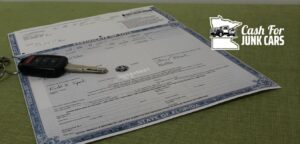
Are you planning to say goodbye to your old car? Remember, the title of your car is super important. But what to do with title when junking car?
When junking a car, ensure you transfer the title to the salvage yard. This legally documents the sale and release of ownership. Fill out the title assignment section, including buyer’s information and sale date, then submit it to your DMV if required.
In this comprehensive guide, we will provide you with guidelines on what to do with title when junking a car. Let’s make this process easy and stress-free for you!
Table of Contents
Transfer Of Ownership

To transfer ownership when junking your car, you need to fill out the car’s title with the junkyard’s details. Let’s explore the transfer of ownership in detail:
Understanding Title Transfer Requirements
When you junk your car, transferring the title is a must. This means you officially hand over ownership to the junkyard. The title has a special spot where you write the buyer’s (junkyard) name and the sale date.
Make sure everything you write is correct. When you skip this step, you will still be on the hook for anything that happens with the car. So, it’s very important to transfer the title correctly.
Necessary Paperwork For Ownership Change
When you’re ready to junk your car, having the right papers is key. Here’s what you typically need:
-
The Title
This is the main document. It proves you own the car. You’ll fill out the back, putting in the junkyard’s name as the new owner and the date you’re giving the car away.
-
Duplicate Title
In case you’ve lost your title, you need to ask for a new one at the DMV. You need to fill out a form and pay a fee.
-
Bill Of Sale
This paper is like a receipt. It shows you sold the car. It should have the car’s details (like model and year), the sale date, and how much (or little) you sold it for.
-
ID Proof
Some places ask for your driver’s license or another ID. This is to make sure you are the car’s owner.
-
Release Of Liability
This form tells the state you no longer own the car. It’s important because it frees you from any future tickets or fees the car often gets.
Verifying State-Specific Regulations
Every state has its own set of rules when it comes to junk a car. Here’s what you need to check:
-
Forms Needed
Some states want just the title and a bill of sale. Others ask for a special junk vehicle form. It’s important to know which forms your state requires.
-
License Plates
In many places, you must remove the car’s license plates and return them to the DMV. But, some states let you keep them. Find out what your state expects.
-
Emissions And Safety Inspections
When your car is still on the road before deciding to junk it, check if you need to cancel any upcoming inspections. This isn’t always needed but good to know.
-
Sales Tax
A few states need you to handle sales tax matters when junking a car. Usually, there’s no tax for junking, but it’s worth checking.
-
Environmental Regulations
Some areas have strict rules about disposing of a car in an eco-friendly way. Make sure the junkyard follows these rules to avoid fines.
Notifying The DMV

When you’ve junked your car, you have a set amount of time to tell the DMV. Here’s what you need to know:
Informing The DMV
After you junk your car, you need to tell the DMV. This means you let them know you’re no longer the car’s owner. Do this by going to the DMV in person, online, or sometimes by mail.
Telling the DMV stops you from being responsible for anything to do with the car after it’s junked. It’s a simple but important step to make sure the car is officially not yours anymore.
Confirming The DMV Requirements For Notification
Each state’s DMV has different rules on how to tell them about junking your car. Some states need a specific form filled out, while others just need a letter or an online form submission.
You often also need to give them the junked car’s title or a bill of sale. Check your state’s DMV website or call them to find out exactly what you need to do.
This way, you make sure you’re doing everything right according to your state’s laws.
Timelines And Deadlines For Reporting To The DMV
There’s usually a time limit for telling the DMV about your junked car. This is 5 days or up to 1 month after the car is junked.
Notify the DMV within this time to avoid paying fines. The exact time you have varies from state to state. After you report, get confirmation from the DMV.
This is your proof that you’ve informed them and are no longer responsible for the car.
Release Of Liability
To release the liability of your car, you need to fill up a special form and tell the DMV. Let’s break down this process in detail:
Importance Of Releasing Liability To Protect The Seller
When you junk your car, you want to make sure that car is not yours anymore. Otherwise, it could cause trouble later, like getting parking tickets or being in accidents.
Filling out a release of liability form keeps you safe from being blamed for things you didn’t do after the car is gone. It’s a key step in making sure you’re fully separated from the car.
Steps To Properly Complete A Release Of Liability
There are 4 easy steps to properly complete a release of liability. They are:
- Find The Form
Start by visiting your state’s DMV website or going to the DMV office to get the release of liability form. Each state has its form, so make sure you get the right one for where you live.
- Fill It Out
Write down your details, the car’s details like its make, model, year, and VIN (Vehicle Identification Number).
Write the name and address of the junkyard or person you’re giving the car to. Also, put down the date you gave them the car. This shows the DMV who’s responsible for the car now.
- Submit The Form
People usually do this online, by mail, or in person at the DMV. Pick the way that’s easiest for you.
- Keep A Copy
After you submit the form, make sure you keep a copy for yourself. This is your proof that you did everything right. Again, in case there’s ever a question about car ownership, show this copy to clear things up.
Ensuring A Smooth Transition
To ensure a smooth transition, submit your release of liability as soon as the car is junked. Don’t take too much time. Make sure all the information on the form is correct. Mistakes will slow things down.
Whether you submit online, by mail, or in person, get a confirmation that the DMV received your form. This is either an email confirmation or a stamped copy.
Salvage Title Considerations

Salvage title considerations refer to understanding the process and implications of obtaining a salvage title for a vehicle. Let’s explore what you need to do to get a salvage title for your car and how to do it.
When And How To Obtain A Salvage Title
A salvage title is needed when a car is too damaged to be considered safe to drive but can still be sold for parts or scrap. Follow the steps to obtain a salvage title:
- Check proper definition: Check if your car fits your state’s definition of a “salvage vehicle.” This usually means it has major damage.
- Go to DMV: Then, go to your local DMV with the car’s original title and any repair bills or damage assessments.
- Follow the process: DMV will guide you through the process, which includes filling out a salvage title application and paying a fee. This switches the car’s status from regular to salvage in the official records.
Implications Of Having A Salvage Title
Having a salvage title means the car is mainly good for parts or possibly repair by someone who meets the strict requirements to make it road-worthy again. It can’t be driven as is.
This title warns buyers about the car’s condition, affecting its value and insurance options. Insurance companies only offer limited coverage for salvage cars, if any, because of the higher risks involved.
State-Specific Rules For Obtaining A Salvage Title
The rules for getting a salvage title vary from one state to another. Some states require an inspection of the damaged vehicle before issuing a salvage title, while others have specific forms or additional documentation requirements.
The amount of damage that qualifies a car for a salvage title also differs; some states use a percentage of the car’s value, and others have a list of qualifying damage types.
Checking with your state’s DMV is crucial to understand the exact process, fees, and paperwork needed. This ensures you follow the correct steps and avoid any legal or financial surprises down the road.
Working With Junkyards And Buyers
You need to follow some simple techniques to communicate with junkyards and buyers. Let’s learn in detail how to check what the buyer expects from the title:
Communication Regarding Title Requirements With Buyers
When you’re selling your car to a junkyard or buyer, talk about the title upfront. Tell them you have the title and it’s ready to be transferred. Ask if they need anything else, like a bill of sale.
Some buyers also want to know if the title is clear—that means no loans or liens against the car. Clear communication makes sure both you and the buyer know what’s needed for a smooth sale.
Confirming Buyer’s Expectations For The Title
Before you finalize the deal, double-check what the buyer expects with the title. Some people want a salvage title if the car is damaged, while others are okay with a regular title.
They often also ask for specific information to be included when you sign the title over, like their business name and address. Knowing these details helps you fill out the title correctly and avoid any last-minute problems.
Guiding Sellers On Title-Related Queries From Buyers
When a buyer has questions about the title, be ready to help. Explain what a clean title is, how a salvage title works, and what information you need to put on the title when selling.
When you’re not sure about something, it’s okay to say you’ll check and get back to them.
Sometimes, directing them to your state’s DMV website for official information is also helpful. Being helpful and informed builds trust with the buyer and makes the sale go more smoothly.
FAQs
1. Do I Need A Salvage Title Before Junking My Car?
No, a salvage title isn’t always required to junk your car. If the car is destined for a junkyard and won’t be reused, many locations waive the need for a salvage title. Still, it’s essential to verify your state’s regulations beforehand to ensure compliance and avoid any legal issues.
2. How Do I Release Liability When Junking My Car?
To release liability when junking a car, complete and send a release of liability form to your DMV. This informs them you’ve sold the vehicle and aren’t liable for it. Always keep a copy for your records to ensure you’re protected and have proof of the car’s transfer.
3. Can I Junk My Car Without A Title In Some Cases?
Yes, you can junk your car without a title in some instances. Certain junkyards may accept vehicles without a title, requiring documented proof like the vehicle’s registration and your driver’s license. This process ensures the car is legally disposed of, even without the title.
What To Do With Title When Junking Car: Conclusion
Wrapping up our guide on what to do with title when junking a car, it’s clear that the process is straightforward but crucial. Ensure you transfer the title, inform the DMV, and release your liability to smoothly part ways.
Handling the title correctly is the final step in responsibly saying goodbye to your car. So, when it’s time to junk your car, take a moment to follow these steps and be ready for your next adventure without any worry.