Do you have an old car sitting around wondering, “Can you trade in a junk car?” Good news! Yes, you can. Even while your car has seen better days and feels more like a giant paperweight than a vehicle, there’s hope.
You can trade in a junk car at most dealerships, but be aware the value offered will be minimal. Dealers consider the car’s condition, age, and salvage value. Alternatively, selling directly to a salvage yard or parts dealer may yield more money. Always compare options to maximize your return.
They may give you little money, but it’s a start. You can also look at other places that pay more. Let’s explore how you can turn your junk car into cash!
Table of Contents
Key Takeaways
- Possible Trade-In: Dealerships may accept junk cars as trade-ins, but due to their poor condition, prepare for a minimal offer.
- Better Alternatives: Selling your junk car to a salvage yard or a specialized buyer may yield better financial returns.
- Part Removal: To maximize your profit, consider removing and selling valuable parts individually before trading in or selling the car.
Evaluating Your Junk Car
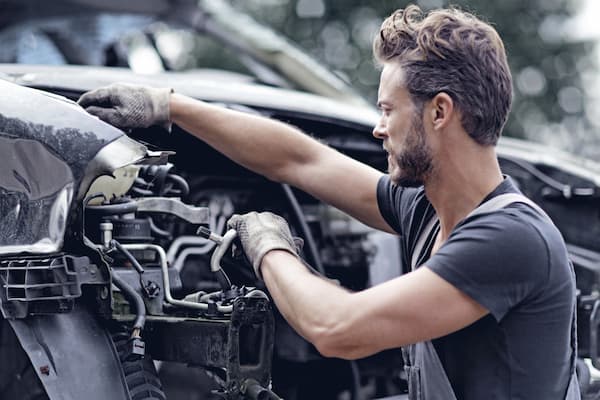
Evaluating your junk car properly is crucial before attempting to sell or trade it in. This process ensures you understand its worth and the best steps forward.
Assessing Vehicle’s Condition
Examine the condition of your car thoroughly. Look over the exterior and interior for any damages or operational parts. Identify whether the vehicle can still move under its own power. Noting down the functional parts versus the non-functional ones can be beneficial when negotiating prices with potential buyers.
Preparing Necessary Documents
Gather all the required documents for the car. The most crucial document is the title, which proves your ownership. Collect any service records as well, as they demonstrate how well the car has been maintained over the years. Having all relevant paperwork in order simplifies the selling process.
Obtaining Multiple Quotes
Contact various potential buyers to get different quotes for your junk car. Explore offers from dealerships, salvage yards, and private buyers. Comparing these quotes allows you to determine the best financial deal available for your vehicle.
Verifying Ownership Status
Check the name on the title to ensure that the vehicle is legally yours to sell. When there are any discrepancies or issues with the title, resolve them before proceeding with the sale. This step is crucial to avoid any legal complications during the transaction.
Considering Vehicle History
Reflect on your vehicle’s history. Cars with a history of major accidents or numerous repairs can be valued less. However, providing a transparent account of the vehicle’s past can facilitate a smoother selling process and avoid potential disputes with the buyer.
Identifying A Junk Car Buyer
Finding the right place to sell your junk car is important. You want to get the best deal and ensure a fair buyer.
Researching Local Options
Begin by exploring your local area for potential buyers. Salvage yards, scrap metal facilities, and auto recycling centers often purchase junk cars. Visit them personally or reach out over the phone to inquire if they buy vehicles in your car’s condition.
List these local entities, noting their location and contact information. This step helps you understand the local market. It shows the potential demand for your vehicle.
Checking Online Platforms
In today’s digital age, the internet is an invaluable resource for selling junk cars. You can also find buyers on Craigslist, eBay Motors, and specialized junk car websites.
Enter search terms and your location into search engines. This will help you find more options. These platforms often let you post details about your car, allowing potential buyers to contact you.
Seeking Recommendations
Word-of-mouth can be incredibly valuable when finding a reliable junk car buyer. Ask friends, family members, colleagues, or acquaintances if they have sold a junk car or know someone who has.
Personal recommendations can lead you to honest buyers and give insights into their selling experiences. This step can help you avoid bad dealers and find buyers who offer fair prices and clear transactions.
Evaluating Buyer Reputation
Once you have a list of potential buyers, assessing their reputation is essential. A reputable buyer will ensure a straightforward and honest transaction. Check online reviews, testimonials, and ratings on platforms like the Better Business Bureau.
Look for feedback regarding their fairness, customer service, and the overall selling process. This research can protect you from scams and ensure that you’re dealing with real and respectful buyers.
Comparing Offers
After identifying potential buyers and verifying their reputations, it’s time to compare offers. Contact each buyer to request a quote for your junk car. Give them details about the vehicle’s condition, make, model, and year.
This will help them make accurate offers. It’s important to consider the price and the terms of the sale. Some buyers offer more money but require you to deliver the car, which could reduce your net gain.
Comparing offers lets you weigh your options. You can choose the best deal based on price, convenience, and reliability.
Negotiating The Trade
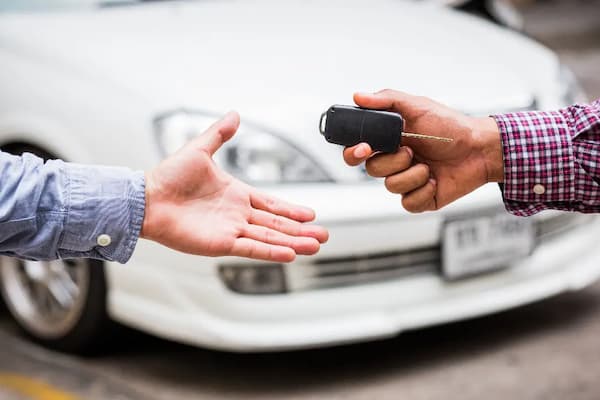
Once you’ve identified a potential buyer for your junk car, the next step is negotiating the trade effectively. This ensures you get the best deal and keeps the transaction fair and clear.
Understanding Car’s Value
Before you negotiate, you must know your car’s value. Even when considered junk, various factors, including the make, model, year, and salvageable parts, can affect its worth.
Research similar vehicles’ values and consider the metal content and condition. This knowledge will empower you during negotiations and help you set realistic expectations.
Transparency On Condition
Honesty about your car’s condition is vital in negotiations. Be upfront about all known issues, damages, and any working parts. Transparency builds trust with the buyer and avoids disputes later on.
Provide detailed information and, if possible, photos or documents supporting the car’s condition. This clarity ensures that both parties understand the value being exchanged.
Discussing Pick-Up Logistics
Often, junk cars need to be towed or transported to the buyer. Discuss who will handle this and whether the offer includes the costs. Some buyers offer free pick-up, which can increase the overall value of their offer. Clarify all details about the pick-up process. This includes timing, location, and who organizes and pays for it.
Finalizing Price Agreement
Once you’ve discussed all the details and conditions, it’s time to finalize the price. Use your research and the car’s condition as leverage to negotiate a fair price. Remember, rejecting offers that feel too low is okay based on your understanding of the car’s value. Write down this agreement once you and the buyer agree on a price. You can do so through email or a contract.
Confirming Payment Method
The final step in negotiating the trade is confirming how you’ll receive payment. Common methods include cash, check, or bank transfer. Check the payment method first. Agree on when the payment will be made, such as upon pick-up or after title transfer. For safety, avoid buyers who insist on insecure or inconvenient methods.
Completing The Junk Car Trade
Finalizing the sale of your junk car involves a series of important steps to ensure everything is settled properly and legally.
Removing Personal Belongings
Before you hand over your car, thoroughly check the entire vehicle for personal items. Look under the seats, in the glove compartment, in the trunk, and in any other storage areas.
You must remove all personal belongings. This is key to avoiding losing items and getting the car ready for its new owner.
Transferring Ownership
The legal transfer of the car’s ownership is crucial. Sign over the title to the new owner and accurately complete all necessary sections. Depending on your location, you may need to complete more paperwork or tell your local DMV.
Ensure all procedures are followed to transfer ownership and avoid future liabilities legally.
Receiving Payment
Ensure that you receive the agreed payment before finalizing the trade. This could be in cash, check, or a direct bank transfer, depending on the agreement. Verify that the payment is complete and cleared in your account (if applicable) before proceeding with the car handover.
Obtaining A Receipt
Once the payment is made, obtain a receipt from the buyer. The receipt should include the date and the amount paid. It should also have the vehicle’s make, model, and year.
It should have both parties’ names and signatures. This document serves as proof of sale and can be crucial for your records and potential future disputes.
Notifying Relevant Authorities
After the sale, you must notify relevant authorities such as the DMV and your insurance company. Informing the DMV helps update their records, removing your liability for the vehicle.
Contact your insurance company. It is important to cancel coverage on the sold vehicle. You will get a refund for unused premiums.
Challenges And Considerations
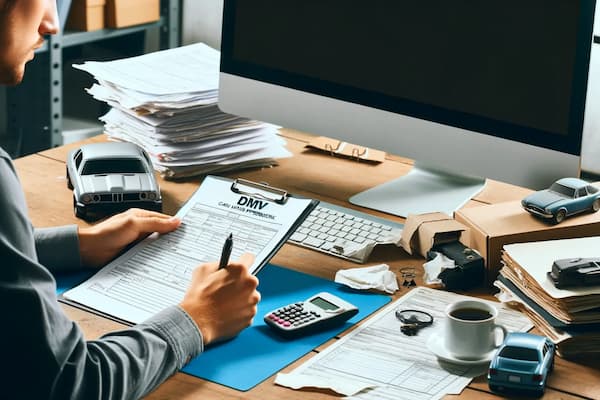
Selling a junk car involves several challenges and key points to consider to ensure a smooth and secure transaction.
Awareness Of Scams And Fraud
Stay vigilant about scams and fraudulent buyers. Recognize common red flags. These include requests for upfront payments, overly complex payment methods, or buyers who refuse to meet in person. Always verify the buyer’s identity and legitimacy before proceeding with the sale.
Legal Compliance Measures
Ensure compliance with all legal requirements for selling a vehicle in your area. This includes properly transferring the title and removing your liability. Failure to comply can lead to fines or legal issues. So, understand and follow local laws about selling junk cars.
Considering Towing Expenses
Towing can significantly affect the net amount you receive from the sale. Determine whether you or the buyer will bear the towing expenses. When it’s your responsibility, get quotes from multiple services to find the best deal. When the buyer covers it, confirm this arrangement in writing.
The value of scrap metal and car parts can vary widely due to market fluctuations. Stay informed about current rates to ensure you receive a fair price for your junk car. Understanding the market can also help you decide the best time to sell.
Choosing Reputable Buyers
Selecting a reputable buyer is crucial for a satisfactory transaction. Research potential buyers, read reviews, and check their history and business practices.
A reputable buyer will ensure a fair, transparent, and hassle-free process. Avoid buyers with bad reviews or sketchy practices. This will protect you from scams and ensure a real sale.
FAQs
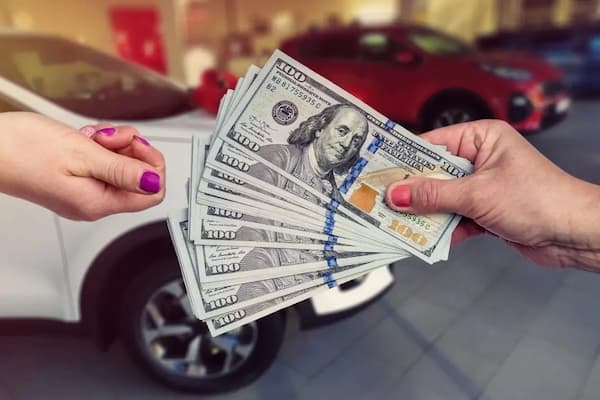
1. How Do You Trade In An Old Car?
To trade in an old car, start by cleaning it and gathering all necessary documents like the title and service records. Next, research its value online. Then, visit multiple dealers to get the best offer. Finally, negotiate the trade-in separately from buying a new car to ensure a fair deal.
2. Can I Trade A Junk Car With Significant Damage?
Yes, you can trade a junk car with significant damage, but due to its condition, dealerships will offer low offers. Alternatively, selling to salvage yards or scrap metal services yields better returns. Ensure to assess all options to maximize the value received from your damaged vehicle.
Can You Trade In A Junk Car: Conclusion
In conclusion, you can trade in a junk car, but remember, you can get little money. When you go to a car dealer, they will look at your old car and decide how much it’s worth.
Sometimes, you can get more cash if you sell your junk car to a place that wants it for parts or metal. Think about your choices and pick the best one. This way, you can say goodbye to your old car and get something nice in return!