Planning to junk your car and wondering, “Can I junk a car with a lien on it?” Tread with caution, as the answer to this is not as straightforward as you might think.
Let’s discuss the labyrinthine legal, financial, and ethical considerations that surround this fascinating issue. Keep reading.
Table of Contents
Understanding Car Liens
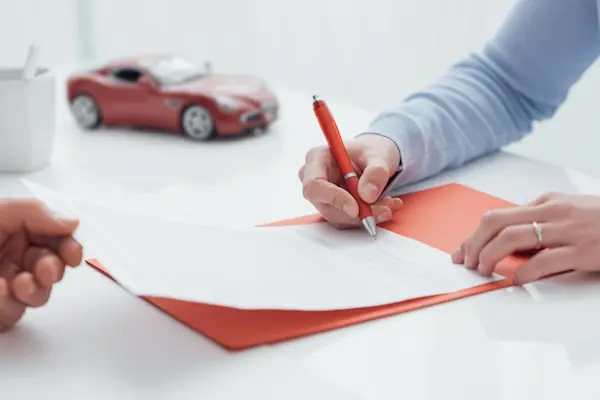
A car lien serves as a legal claim on a vehicle, often tied to financial implications, acting as insurance for lenders and facilitating the collection of debts.
These liens can be complex, and potentially laden with pitfalls for the unaware. So, it’s essential to understand what causes a car lien and the repercussions of not resolving one.
Reasons For Car Liens
Car liens typically arise from some form of indebtedness. The most common scenario involves auto loans. When you finance a vehicle through a lender, they put a lien on your car title to ensure that they can recover their funds if you default on your loan repayments.
This lien acts as a protective measure for lenders, marking their legal right to take possession and sell the vehicle to recoup their losses.
However, auto loans are not the only cause of car liens. They can also arise due to unpaid repairs, parking tickets, or tax debts.
In all these scenarios, the party to whom money is owed may place a lien on your vehicle to secure the amount you owe them. This effectively means they have a claim on the car until you’ve paid your debt.
Consequences Of Not Resolving A Car Lien
First, a lien restricts you from legally selling your vehicle. Prospective buyers, after running a title check, will discover the lien and likely back off unless you can pay off the debt immediately.
Second, if the lien is from an auto loan and you fail to meet your payment obligations, the lender has the legal right to repossess your car to recover the owed money. The terms of repossession are usually stated in your loan agreement.
Third, a car lien can negatively impact your credit score. Unresolved liens can be reported to credit bureaus, leading to a dip in your score. This can significantly affect your ability to secure loans or other forms of credit in the future.
Finally, in the context of a deteriorating vehicle, unresolved liens may complicate the process of junking your car. The junkyard or scrap facility would likely need assurance that the lien has been satisfied before accepting your vehicle.
Junking A Car With A Lien: Legal Considerations
The process of junking a car already comes with its fair share of bureaucracy and legal considerations. When a lien is added to the mix, the situation becomes more intricate.
Understanding the law, securing necessary permissions, and providing appropriate documentation are critical steps to legally dispose of a vehicle under a lien.
Reviewing State Laws And Regulations
The laws surrounding the junking of a vehicle under a lien can vary significantly from state to state. Some states might allow the process under certain conditions, while others might strictly prohibit it.
Consequently, familiarizing yourself with local statutes is the first step in understanding what’s possible.
Research online, visit your local DMV office, or consult with a legal professional to ensure you have accurate and up-to-date information.
Obtaining Permission From The Lienholder
A lienholder has a financial interest in your vehicle, and their rights must be respected. If you intend to junk a car with a lien on it, you must first obtain permission from the lienholder.
This typically involves paying off the debt or coming to some other form of agreement with them.
If the lienholder is a financial institution, you might negotiate a settlement for less than the total debt, given the vehicle’s deteriorated condition.
Providing Necessary Documentation
When junking a car with a lien, the process often requires more documentation than standard vehicle disposal. The precise paperwork depends on your location and the specific circumstances surrounding the lien.
But it generally includes proof of permission from the lienholder, the vehicle’s title, and sometimes a bill of sale.
Remember, each state has different requirements, so it’s important to ensure you have all the necessary documents before proceeding.
Potential Penalties And Legal Consequences
Ignoring the legal considerations when junking a car with a lien can have severe consequences.
If you dispose of the vehicle without satisfying the lien or obtaining the lienholder’s permission, you could be sued for the outstanding debt or even face criminal charges for fraud.
Your credit score could also suffer significant damage, affecting your ability to secure credit in the future.
Resolving Car Liens
Before you can take steps to junk a car, it is often necessary to resolve any existing liens on the vehicle.
Paying Off The Lien
The most direct method of resolving a car lien is to pay off the debt in full. Once you have paid the entire amount owed, the lienholder is legally obligated to release the lien, giving you free rein over the vehicle.
Negotiating A Lien Settlement
If you’re unable to pay off the entire lien, another approach is to negotiate a lien settlement. This involves contacting the lienholder and trying to agree on a reduced payment that will satisfy the lien.
You may need to explain your situation and make a case for why a reduced settlement is in the best interest of both parties.
For instance, if the vehicle is in a deteriorated state and the costs of repair outweigh its value, the lienholder may accept a lower settlement.
Refinancing The Lien
Refinancing the lien is another strategy you might consider. This involves securing a new loan with a lower interest rate or longer term to replace the existing one, which can make the payments more manageable.
Transferring The Lien To Another Vehicle
In some cases, and depending on your jurisdiction’s laws, it may be possible to transfer the lien to another vehicle. This could be a viable option if you own more than one car.
Alternatives To Junking A Car With A Lien
There are several alternatives available if you wish to explore other potentially beneficial options. These options may allow you to manage or eliminate your lien while potentially making the most out of your vehicle’s remaining value.
Selling The Car Privately
While it can be tricky, selling a car privately with a lien is possible. The prospective buyer must agree to handle the lien or wait for you to clear it before the sale is finalized.
Alternatively, if you have some savings, you could use them to clear the lien and sell the vehicle without any encumbrances.
Trading In The Car At A Dealership
A straightforward alternative is trading in your vehicle at a dealership. Dealerships are often equipped to handle liens and might directly pay off the lien as part of the trade-in process.
Donating The Car To A Charity
Another option is to donate your car to a charity. Some charitable organizations accept vehicles with liens, especially if the lien is small and the vehicle’s value is high enough to cover it.
The charity will sell the car and use the funds to pay off the lien, with any remaining proceeds going towards their cause. It’s important to confirm the details with the charity beforehand, as not all charities can or will handle liens.
Exploring Lease Takeover Programs
If the lien on your vehicle is a result of a leased vehicle contract, consider exploring lease takeover programs. These programs allow another person to take over your lease agreement, thereby assuming responsibility for the remaining payments and freeing you from the lien.
Steps To Junking A Car With A Lien
Assuming you’ve navigated the complexities of resolving your lien and have decided to proceed with junking your car, there are specific steps to follow. This process will ensure that the transaction is smooth, legally compliant, and as hassle-free as possible.
Collecting Necessary Paperwork

Once your lien is resolved, gather all the necessary paperwork. This includes your lien release, car title, and sometimes a bill of sale or other paperwork, depending on your state’s requirements.
Ensure the title is correctly transferred to your name without the lienholder, which can typically be done at your local DMV.
Removing Personal Belongings And Preparing The Car
Before the car leaves your possession, take the time to remove all personal belongings from the inside. Check every compartment, under seats, and in the trunk.
Also, remove the license plates as you’ll need to return them to the DMV. If possible, clean the car to enhance its appearance. Though it’s going to the junkyard, a clean vehicle might fetch a slightly higher price.
Arranging For Towing Or Transport
Once the car is ready, arrange for transportation. Most junkyards and scrap facilities offer towing services, often for free. Make sure to schedule a pick-up time that works for you. If you’re planning to deliver the car yourself, ensure that it is safe to drive, or consider hiring a towing service.
Completing The Sale And Transferring Ownership
Complete the sale at the junkyard or scrap facility. Present your paperwork, agree on the price, and transfer ownership of the car. Ensure you get a bill of sale or another document as proof of the transaction. Then, report the sale to the DMV and your insurance company to terminate any obligations related to the car.
FAQs
1. How Do I Remove A Lien From A Car Title?
To remove a lien from a car title, you need to pay off the associated debt, obtain a lien release from the lienholder, and then go to your local Department of Motor Vehicles (DMV) to update the car title, removing the lienholder’s name.
2. How Do I Get A Title After Paying Off My Car Loan?
After paying off your car loan, you should receive a lien release or notice of loan satisfaction from your lender. Take this document to your local DMV and fill out an application for a new title. The DMV will process your request and send you a new title indicating you’re the sole owner of the vehicle.
Can I Junk A Car With A Lien On It: Final Thought
Junking a car with a lien on it is a complicated process that involves understanding car liens, reviewing state laws, and negotiating with lienholders. Legal considerations are paramount, as not resolving a lien can lead to serious penalties.
Options for resolving car liens include paying off the lien, negotiating a settlement, refinancing the lien, or transferring it to another vehicle.
There are alternatives to junking a car with a lien, such as selling it privately, trading it in at a dealership, or donating it to charity.
After resolving the lien, the car can be junked by collecting the necessary paperwork, preparing the car, arranging for transport, and completing the sale and transferring ownership. Despite the complexities, with careful planning and execution, it’s possible to successfully and legally junk a car with a lien on it.