Have you just junked your old car? You may be wondering what to do after junking a car.
After junking a car, ensure you receive payment, and the vehicle title is transferred. Cancel insurance and return plates to the DMV. Keep receipts for proof of sale and notify your local motor vehicle department. It’s important to follow these steps to avoid future liabilities or fines.
Whether you’re a first-timer or have done this before, these tips are for everyone. Let’s dive into the details and learn what to do after junking a car! Keep reading to make sure you handle everything the right way.
Table of Contents
Key Takeaways
- Remove Personal Belongings: Thoroughly check and remove all personal items from the car before taking it to the junkyard.
- Cancel Insurance and Registration: Notify your insurance company to cancel the policy and follow state procedures to cancel the car’s registration.
- Return or Transfer License Plates: Depending on state laws, return the car’s license plates to the DMV or transfer them to another vehicle.
Environmental Responsibility
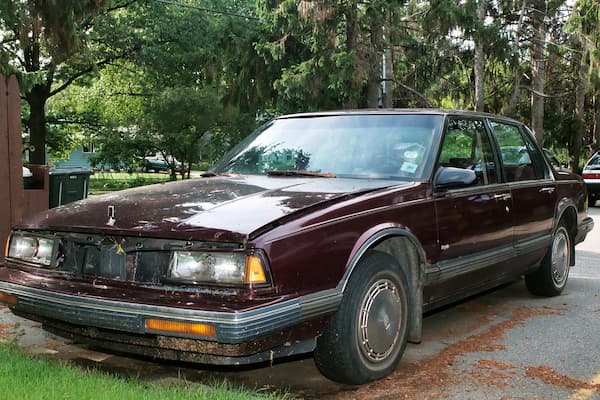
When you junk a car, you’re not just getting rid of an old vehicle. Cars contain stuff that can hurt the earth, so we must ensure we do things correctly.
Fluids And Hazardous Materials
A car holds a variety of fluids and materials that require special handling. Here’s what you need to know:
- Engine Oil and Other Fluids: These fluids contain toxins. They include antifreeze, brake fluid, and transmission fluid. The toxins can contaminate soil and water. Never dump them down the drain! Many junkyards will drain these fluids. But check beforehand and ask about any associated fees.
- Lead-Acid Battery: Car batteries contain lead, a toxic metal that can harm human health and the environment. Junkyards can safely recycle batteries. Remove yours before taking the car in. See your owner’s manual for removal instructions. Then, hand it over for responsible processing.
Tires And Batteries Disposal
Tires and batteries need special care, too. You can’t just throw them in the trash; tires can be made into other things, like playground surfaces or asphalt.
- Tires: Don’t just toss your old tires! They can be retreaded, recycled into new products, or used for energy generation. Junkyards often take used tires; some tire retailers may even offer a small rebate.
- Air Conditioning System: Car ACs contain Freon, a refrigerant that can damage the ozone layer. Junkyards can handle Freon safely. They are certified to extract and dispose of it according to regulations.
Explore Recycling Options
Cars are mostly metal, and we can recycle metal over and over. When you junk your car, a recycling center can turn the metal into new things.
This reduces the need for new materials. It saves resources and cuts energy use.
- Junkyard Recycling Programs: Many junkyards have established recycling programs. They’ll disassemble the car, separating recyclable materials from those requiring special disposal. Ask about their recycling practices before choosing a junkyard.
- Parting Out Valuable Components: When your car is in decent condition, consider selling usable parts before junking it. This can earn you extra cash and ensure those parts get a second life in another vehicle. You can sell parts on online marketplaces and junkyards. They specialize in car parts.
Insurance And Registration Cancellation
Once you’ve ensured your car is eco-friendly, it’s time to do the paperwork. Scrapping your car means a change in ownership, so you must tell the right people. This will prevent future problems.
Notify Insurance Provider
Don’t keep paying for insurance on a car you no longer own! Contact your insurance company and let them know you’ve junked your car. Here’s what to expect:
- Policy Cancellation: You can request to cancel your car insurance policy effective the date your car was junked.
- Potential Pro-rated Refund: Depending on your policy and the remaining term, you may be eligible for a refund of any unused premium.
- Proof of Junking: The insurance company may require proof that your car has been junked. This could be a receipt from the junkyard or a certificate of destruction.
Cancel Vehicle Registration
Letting the Department of Motor Vehicles (DMV) know you’ve gotten rid of your car is crucial. This prevents future registration renewal notices or potential liability if the car is involved in any incidents.
- Required Documents: The documents needed for cancellation may vary by state, but they typically include your vehicle registration card (RC). You also need proof of ownership (title) and a completed cancellation application. You can often find the application online or at the DMV.
- Fees: A small cancellation fee may be associated with closing your registration.
Legal Compliance Verification
Double-checking to ensure everything is in order provides peace of mind. Here’s how to verify legal compliance:
- DMV Website: Many state DMV allow you to check your vehicle registration status online. This can confirm that the registration has been canceled.
- Insurance Company Confirmation: Get written confirmation from your insurance company. It should say your car insurance policy was canceled.
Tax Benefits Exploration
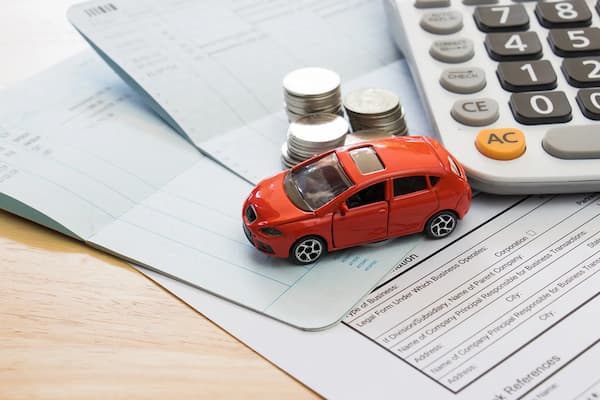
When you junk a car, you can also get some tax benefits. When tax time comes, you could save money because you junk your car. Let’s dive in to understand how.
Research Junking Tax Benefits
The tax effects of junking a car can vary. This depends on several factors, such as:
- Your Tax Filing Status: This can affect the deductions or credits you qualify for.
- The Sale Price of Your Car: Receiving money for junking your car may impact your taxes.
- Your Original Purchase Price: Knowing the car’s initial price is essential. It helps you find potential tax benefits.
Here are some potential tax benefits to investigate:
- Casualty Loss Deduction: When an accident, theft, or vandalism makes your car unusable, you will qualify for a tax deduction.
- Charitable Donation Deduction: Once you donate your car to a qualified charity, you can claim a tax deduction for its fair market value.
Gather Required Documentation
You may qualify for tax benefits. Gathering the papers to back your claim is crucial. Here’s what you need:
- Bill of Sale: This document proves you sold (junked) your car and the amount you received.
- Proof of Ownership (Title): This verifies you were the car’s legal owner.
- Documentation of Original Purchase Price: Your purchase receipt, loan documents, or registration paperwork.
- Repair Receipts (For Casualty Loss): When you claim a casualty loss, receipts for attempted repairs can help. They show you tried to fix the car before it was unusable.
- Charity Receipt (For Donation): Once you donate your car, a receipt from the charity detailing the car’s make, model, and condition is essential.
This readily available documentation will make the tax filing process smoother and ensure you have the necessary proof to support your claim.
Consult Tax Professionals
Tax laws can be complex, and navigating potential deductions or credits for junking your car can be tricky. Consider consulting a tax professional. They can ensure you’re using all applicable benefits and filing taxes correctly.
They can analyze your situation and advise you. They will suggest the best action to get the most money back on your taxes.
FAQs
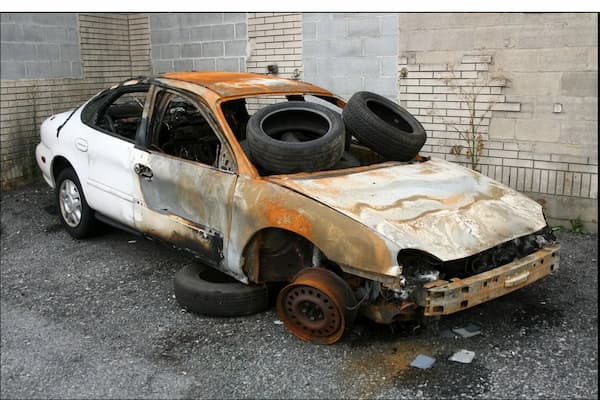
1. What Happens To My Junk Car After I Sell It?
When you sell your junk car, it typically goes through a recycling process. Components like batteries, tires, and fluids are removed and safely disposed of or recycled. The metal body is then crushed and shredded for scrap. This not only conserves resources but also reduces environmental pollution.
2. What To Do With License Plates After Junking A Car?
After junking a car, it’s crucial to remove the license plates. You can return them to your local DMV or keep them as a memento. Ensure to check your state’s requirements, as some states may require plate return or offer mail-in options. This step prevents potential misuse and legal issues.
What To Do After Junking A Car: Conclusion
After you junk a car, remember these steps: First, clean the car. Make sure all your items are out. Next, call your insurance company. Tell them you no longer own the car and end your insurance.
Then, take care of the car’s plates. Depending on where you live, you either give them back or move them to a new car. Doing these things ensures you follow the rules and avoid any problems. Always check your own state’s rules to be sure.