Owning a car means facing the inevitable question: when is it time to junk your car? Deciding to junk your car is not an easy choice. Still, clear signs indicate it can be the right move. Let’s explore some key factors to consider before making this decision.
When your car requires frequent costly repairs, has major mechanical issues, or is unsafe to drive, it’s time to junk it. Consider some factors as signs to let go of your car. For example, repair costs exceeding its value, safety concerns, and constant breakdowns. Think before making the decision.
Read this in-depth article to learn more about it.
Table of Contents
Key Takeaways
- Visible Signs Of Deterioration: When your car constantly needs repairs and shows signs of wear, it can be time to junk it.
- Excessive Repair Costs: When fixing your car is more than its value, it’s more economical to junk it.
- Safety Concerns: When your car fails inspections or lacks safety features, junking it can prevent potential accidents.
Repair Costs And Car Value
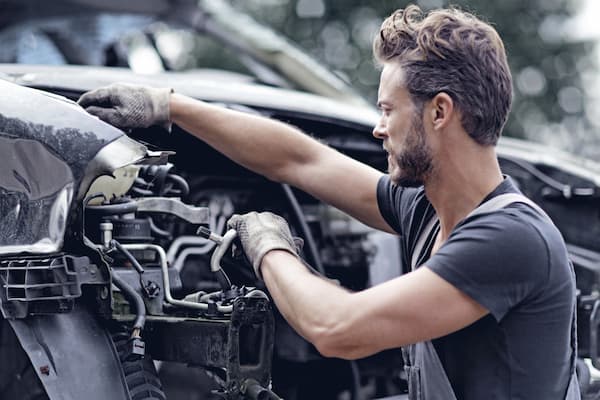
Let’s discuss repair costs and car value first. Evaluate the cost-benefit ratio. Then, address major breakdowns. Next, decide on fixing feasibility. Let’s get into the discussion.
Evaluating Cost-Benefit Ratio
When your car needs a lot of expensive repairs that add up to more money than the car is worth, it can be smarter to buy a new one. For instance, when your car is worth $5,000 and the repairs cost $3,000, it can be a sign to start looking for a new car.
It means when fixing something costs more than buying a new one, it can be time to consider getting a new car that won’t keep needing costly repairs.
Addressing Major Breakdowns
When your car’s engine or transmission breaks down, it can be very expensive to fix. This is true especially if your car is old and has been driven a lot. You’ll have to pay around $3,000 to $5,000 to fix the engine or $2,000 to $4,000 for the transmission.
This is a lot of money, so you must consider carefully whether it makes sense to spend that much on repairs or if it will be better to save up for a new car instead.
Deciding On Fixing Feasibility
When your car needs several small repairs all at once, it can mean there are bigger problems that need fixing. For example, when you need to replace the brakes, fix a leak, and repair the air conditioning, it can cost around $1000 or more.
Spending that much money on many problems cannot be worth it if your car is old or has a lot of miles. It’s important to consider whether investing in all those repairs is a good idea or if it can be smarter to save up for a new car instead.
Let’s focus on the unavoidable warning signs now. These include excessive rust and body damage. Smoke, leaks and unusual noises are also common signs. You need to assess your car’s roadworthiness. You have to deal with constant alarms. Again, a missing car title can complicate junking your vehicle.
Let’s get a better understanding of these warning signs.
Excessive Rust And Body Damage
When your car has a lot of rust or has been badly damaged on the outside, it can look bad and be less safe to drive. When the rust is all over the car or the body damage is severe, it can cost around $2000 or more to fix.
This kind of damage can weaken the car’s structure and make it unsafe in a crash. Consider whether spending money on fixing these issues is worth it or if it’s better to look for a new car that is safer and in better condition.
Smoke, Leaks & Unusual Noises
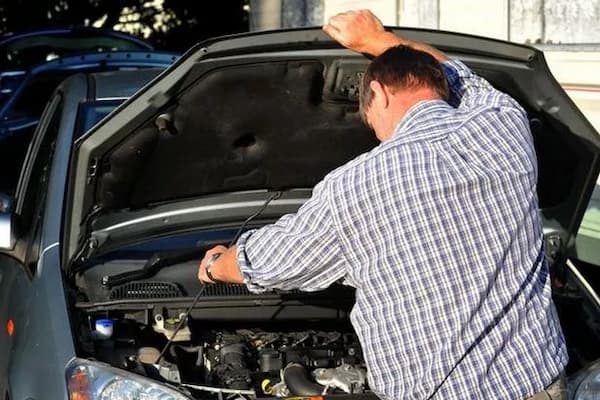
When your car constantly smokes, leaks fluids, or makes strange noises, it can mean there are big problems with the engine or other important parts. Ignoring these signs can lead to even bigger issues and make it unsafe to drive. Fixing these problems can cost around $1500 or more.
Pay attention to these signs and get your car checked out by a mechanic. This will prevent further damage and keep you safe on the road. It’s similar to going to the doctor when you feel sick. Taking care of your car when it shows signs of trouble is important for your safety.
Assessing Roadworthiness
When your car often stops suddenly, has trouble starting, or acts strangely while driving, it cannot be safe to keep using it. Driving a car that behaves erratically can be dangerous for you and others on the road. Fixing these issues can cost around $500 or more.
Just like you won’t ride a bike with a wobbly wheel or a flat tyre, ensure your car is in good shape before driving it. Your safety is important, so if your car is acting up, it’s best to have it checked by a mechanic. This will avoid any risky situations.
Dealing With Constant Alarms
When the warning lights on your car’s dashboard keep coming on even after you’ve tried to fix the problems, it can mean there are more serious issues that are hard to figure out or repair. Dealing with constant alarms can also be stressful and annoying for drivers.
Fixing these ongoing problems can cost around $300 or more. When your car’s warning lights don’t go away, it’s best to have a mechanic check it to ensure your car is safe to drive.
Addressing Missing Car Title
When you don’t have the title for your car, it can make it hard to sell or get rid of your vehicle. Fix this problem quickly. This is important to prevent legal issues and make the process easier. Getting a duplicate title can cost around $25 to $50.
Imagine when you lost the key to your bike lock – you won’t be able to unlock it and ride it. It’s the same with a car title – without it, you won’t be able to sell or get rid of your car. Getting a new title will help make things go smoothly when dealing with your vehicle.
FAQs
1. Is It Worth Fixing A Car With Major Breakdowns?
No. It won’t be worth fixing when your vehicle has major breakdowns. For example, a blown engine or transmission. Instead, consider selling it to a junk car buyer for cash. This is because keeping a car with significant issues can end up costing you more money in the long run. Decide wisely.
2. Can Excessive Rust Make A Car Unsafe To Drive?
Yes. Suppose excessive rust compromises key structural components. For example, the frame or chassis. Then, a car can become unsafe to drive. In such cases, it’s time to junk your car. Then, put safety first over continued use. Make a wise decision. Ensure your and your family’s safety.
3. Will A Blaring Alarm Affect The Car’s Value?
Yes. When the blaring alarm affects the car’s value, it can be time to junk your car. A constant alarm can signal underlying issues that can cost more to fix than the car is worth. Consider selling it for scrap or parts to get the most value. Make a wise decision and ensure your safety.
When Is It Time To Junk Your Car: Conclusion
Knowing when to junk your car is a practical decision. It requires careful consideration of various factors. Evaluate repair costs, recognize warning signs, and assess roadworthiness. Thus, you can make an informed choice. It prioritizes safety and financial well-being.
When the time has come to bid farewell to your faithful companion on the road, take comfort in knowing it’s a step toward a safer and more reliable driving experience.