Are you planning to junk your old car? It sounds like a simple task, but there’s one important detail you shouldn’t miss: signing the car’s title correctly. Do you know where to sign title when junking a car?
When junking a car, it’s essential to sign the title in the designated area for the seller, usually found on the back. Fill out all required information accurately to ensure a smooth transfer and avoid legal complications. This step is crucial for a legitimate sale.
This easy-to-follow guide will show you exactly where to sign the title when junking a car. We’ll walk you through each step to ensure you do it right. So, let’s begin!
Table of Contents
Understanding The Title
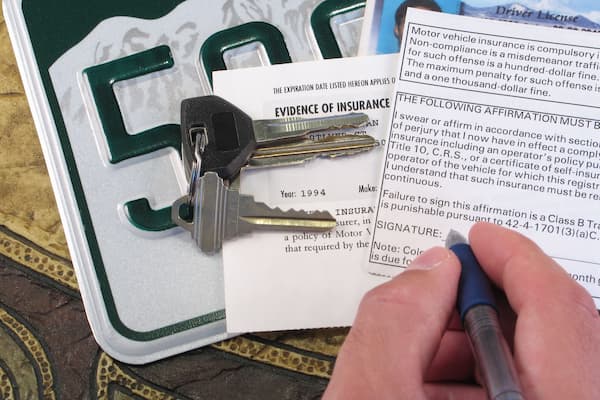
The car title is a document that describes the ownership of the car. Before you junk your car, make sure the title is clear and in your name.
Identifying Title Location
The car title is an important piece of paper that shows you own your car. It’s not something you use every day, so people often keep it in a safe place. Keep the paper in a home office or a safe.
Sometimes, it’s kept in a bank-safe deposit box. Find your title before you start the process of junking your car.
When you have lost the title, you’ll need a new one from the place that handles car paperwork in your state, the DMV (Department of Motor Vehicles).
Key Information On The Title
The car title includes very important information about your car and you. It shows your name as the car’s owner. It includes the car details, like the make, model, the year it was made, etc.
It also includes a special number called the VIN (Vehicle Identification Number). This number is like a car’s unique fingerprint. The title also shows how many miles the car has been driven, known as the odometer reading.
When you look at your title, check that all this information is correct. This is important because when you junk your car, the place you take it to will see that the information on the title matches your car.
Checking For Lienholder Details
On your car’s title, check the lienholder section. A lienholder is a person or a company that lent you money to buy the car, like a bank.
When there’s a lienholder listed, it means they have a legal interest in the car until you pay off the loan. When you look at your title, check if there’s a name listed as a lienholder.
When there is, and you’ve paid off your car, you need to get the lienholder to update or remove their information from the title.
Ensuring Title Legibility
The car title needs to be easy to read. This means all the words and numbers on it should be clear. The title is hard to read if it has gotten wet, torn, or faded over time.
This creates a problem because when you go to junk your car, the people there will need to read everything on the title. Otherwise, they might refuse it. Get a new title if your title isn’t in good shape.
Preparation For Junking
Preparation for junking involves several key steps to ensure a smooth process. Let’s explore them in detail:
Removing Personal Belongings
Before you junk your car, take out all your personal stuff. Start by looking in the usual places like the glove compartment, the pockets on the back of the seats, and under the seats.
Don’t forget the trunk, where you have stored tools, emergency supplies, or other items. Check the CD player for any discs you left inside. Also, remove any electronic devices or chargers that are plugged in.
Verifying Ownership Information
Make sure that all the ownership details on the title match your current information. This includes your name, address, and other personal details. Always include the updated details if you’ve moved or changed your name since you got the car.
Get this done by contacting the DMV and requesting a change. They will need some proof of your new information, like a driver’s license or a utility bill with your new address.
It’s important to do this because when you junk your car, the junkyard or the recycling center will check to make sure that the person junking the car is the actual owner. They do this to prevent theft and fraud.
Settling Outstanding Liabilities
When you have a loan on the car, you must pay it off. Contact your lender to find out how much you still owe and arrange to pay it.
Pay the bills if there are any traffic fines associated with your car. Check with your local traffic department or DMV to see if there are any outstanding fines. Sometimes, these are linked to your car’s license plate or VIN.
Paying off these debts is important because the place where you junk your car will check for any liabilities. They may refuse to take the car if they find any liabilities.
Obtaining Necessary Documentation
Along with the car title, you often need other documents to junk your car. This often includes a valid photo ID, like a driver’s license or a state ID card. This proves that you are who you say you are.
Some places also ask for more paperwork, like a release of liability form or a vehicle surrender form. These forms tell the state that you’re no longer responsible for the car.
Signing The Title
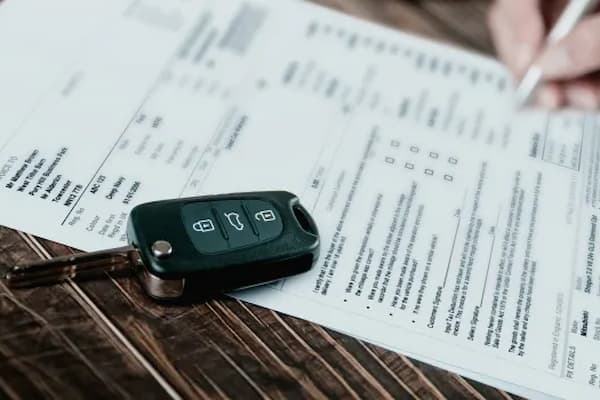
Signing the title is an important step in junking your car. Make sure to sign in the right spot on the title, using the same way you always do.
Locating The Signature Section
Find the right place on the title for your signature. This area is usually clearly marked and found on the back of the document. Look for labels like “Seller’s Signature” or “Owner’s Signature.”
This section is designed for you to officially sign off on your ownership of the car. It’s important to not sign anywhere else on the title because sometimes doing so makes the title invalid.
The exact location often varies depending on your state, so take a moment to check the title carefully. Whether you’re unsure where to sign, ask for help at the DMV or the place where you’re junking the car.
Using Correct Signature Format
When signing your car title, it’s crucial to use the correct format for your signature. This means signing your name exactly as it appears on the title.
When your middle name or initial is on the title, you need to include that in your signature. Also, if there’s a suffix like Jr. or Sr. after your name, don’t forget to add that too.
This step is very important because the signature needs to match the name printed on the title for legal reasons.
Avoiding Common Singing Mistakes
To avoid common singing mistakes, consider the following:
-
Sign In The Right Spot
Look carefully at the title for where it says to sign. Make sure you sign exactly there. Signing in the correct spot shows you agree to transfer the car legally.
-
Use Your Full Legal Name
Your signature needs to match the name printed on the title. Whether the title includes your middle name or any initials, make sure to include them in your signature. This helps avoid confusion and proves that you are the owner.
-
Don’t Use Nicknames
Always sign the title with the name that’s legally yours. Nicknames or shortened versions of your name are not allowed.
-
Check Before You Sign
Take a moment to review all the information on the title before you sign it. Make sure your name, the car’s details, and any other information are correct.
-
Wait To Sign
Don’t rush to sign the title as soon as you decide to junk your car. You should sign it close to the time you hand the car over. Signing too early leads to different issues.
Confirming Co-Owner Signatures
When your car’s title has more than one name on it, understand how to handle the signatures correctly. In case the names are joined by “and,” both owners must sign the title to junk the car.
However, when the names are joined by “or,” it means only one of the listed owners needs to sign to proceed. This is useful if one of the owners is not available to sign.
It’s important to follow this rule because it affects the legal process of transferring the car’s ownership.
Finalizing The Junking Process

Finalizing the junking process needs some crucial steps to follow. Let’s break them down:
Notifying The DMV
After you junk your car, you need to tell the DMV. This is a very important step. It lets the DMV know that you are not the car’s owner anymore. When you do this, the DMV updates its records.
This means you won’t get in trouble for anything that happens with the car after you junk it. For example, when the car gets parking tickets or is used in a crime, you won’t be blamed.
Each place has its own rules on how to tell the DMV. You either need to fill out a form or do it online. Make sure to ask the junkyard or check the DMV’s website to know what to do.
Retaining Proof Of Junking
Keeping proof that you junked your car is important. This proof is usually a receipt from the place that took your car, called a salvage yard or junkyard. The receipt should have your name, date, and car information.
This receipt is your way to show you don’t own the car anymore. Show the receipt if someone asks, like the DMV or insurance company. It’s a good idea to keep this receipt safe for a few years.
Handling License Plate Removal
Before you give your car to the junkyard, take off its license plates. This is something many people forget, but it’s important. In some places, you have to return these plates to the DMV.
This stops anyone else from using your plates on a different car. In case someone used your plates on another car and did something wrong, like running a red light, it could look like you did it.
That’s why you remove the plates and give them back to the DMV. They’ll know you don’t have the car anymore.
Confirming Receipt From Salvage Yard
Getting a receipt from the salvage yard is a must. This receipt is a paper that says the salvage yard has your car now. It should list the car’s details and the date they took it.
This receipt is your proof that you gave the car to them. It’s important because it shows you followed the rules for junking your car.
FAQs
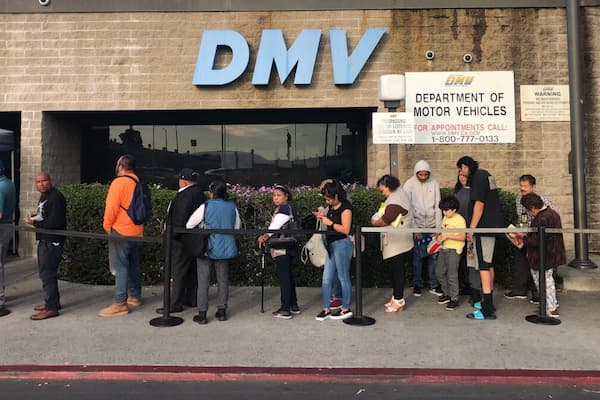
1. Do I Need To Notify DMV If I Junk My Car In Minnesota?
Yes, in Minnesota, you must notify the DMV if you junk your car. This helps them update their records. This ensures that you won’t be responsible for the car anymore. This saves you from future liability related to the vehicle.
2. Do I Need To Tell The DVLA If I Scrap My Car?
Yes, you must tell the DVLA when you scrap your car in the UK. This lets them know you’re no longer the car’s owner. Notify the DVLA online or by post, and they will update their records.
3. Can I Scrap My Car Without Registration Document?
Yes, you can scrap your car without a registration document. It’s hard but possible. You need to prove you own the car. Contact the scrapyard or recycling center. They’ll tell you what you need to do.
Where To Sign Title When Junking A Car: Conclusion
Junking your car is more than just saying goodbye to an old friend on wheels. It is all about doing it the right way.
Now that you know where to sign title when junking a car, the process will be easy for you. Signing your title in the correct spot, accurately using your name, and keeping the document are crucial actions.
These simple yet vital steps prevent mistakes and ensure a hassle-free process. So, when the time comes to let go, let go of your car with peace of mind.