Are you wondering, “How much to junk my car?” Many people find themselves with an old car that’s no longer useful. This guide is here to help. We’ll explore factors that affect the price you can get for your car.
Whether it’s an old family car or one that’s just not running anymore, there’s value in it. We make understanding this process easy and clear. You’ll learn tips to get the best deal and how to do it well for the environment.
Let’s find out how to turn your old car into a benefit.
Table of Contents
Factors Affecting Value
Age And Condition
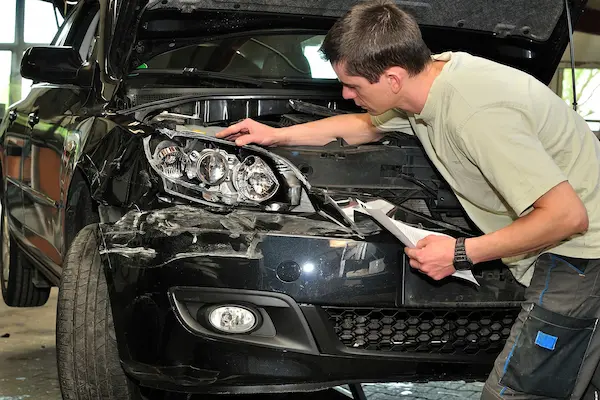
The age and condition of your car greatly impact its junk value. Older cars or those in poor condition usually fetch lower prices. However, even when your car is not running, it still has valuable parts, increasing its worth.
Make And Model
The make and model of your car also play a key role in determining its junk value. Some models are more in demand for parts, which can raise their value.
Luxury or rare cars often have higher junk values due to their unique parts.
Mileage
High mileage can lower a car’s value when junking. Cars with lower mileage have more usable parts, potentially increasing their worth.
However, mileage is just one factor among many, so even high-mileage cars are valuable depending on their condition and parts.
Location
Your location can influence how much you get for junking your car. You get better offers in urban areas, where junkyards or junk car buyers are plentiful. In rural areas, options are limited, affecting the price.
Also, the cost of towing and the distance to the junkyard can affect the final amount.
Market Demand
The market demand for car parts significantly affects your car’s junk value. You can expect a better price if there’s high demand for your make and model parts.
This demand varies over time and is influenced by trends in car repairs and restorations.
Assessing Your Car’s Worth
Online Valuation Tools
Try online valuation tools to understand what your car is worth. Just enter details like make, model, and condition. These tools use data from similar cars to give you an estimate.
It’s a quick and easy way to understand your car’s potential junk value.
Professional Appraisal
For a more precise value, consider a professional appraisal. An expert will examine your car closely, looking at its age, condition, and specific features. This detailed assessment provides a reliable estimate, which is helpful when negotiating with buyers or junkyards.
Multiple Quotes
Gather quotes from several junkyards and buyers. Each offers a different price based on their needs and market conditions. Comparing these offers helps you understand the range of values for your car.
This step is crucial to ensure you get the best possible deal.
Factoring In Extras
Don’t forget to consider any extras your car has. Features like a new sound system, high-quality tires, or recent repairs can increase its value. Mention these extras when getting quotes.
They significantly impact the final offer, potentially increasing your car’s junk price.
Negotiating Offers
Haggling Tips
When negotiating, start with a higher asking price than what you expect. Be confident and ready to explain your car’s worth, mentioning any valuable parts or features. Listen to the buyer’s offer and find a middle ground.
Being flexible yet firm can lead to a successful negotiation.
Considering Timing
Timing can impact your negotiation. When it’s a busy time for junkyards, they offer more for your car. Conversely, during slow periods, offers are lower. Understanding these trends can help you choose the best time to sell, maximizing your car’s value.
Private Vs. Dealership Offers
Comparing offers from private buyers and dealerships is essential. Private buyers offer more for certain cars, especially if they’re looking for specific parts. Dealerships usually have set prices based on general car values.
Weigh each offer carefully to see which is more beneficial for your situation.
Additional Considerations
Towing And Removal Costs
Consider the cost of towing and removal when junking your car. Some junkyards offer free towing, while others charge a fee. This cost can affect the overall amount you get from the sale.
Check with the buyer about towing arrangements to avoid unexpected expenses.
Legal Transfer Fees
There are fees for legally transferring your car to the junkyard. This includes paperwork and title transfer costs. Knowing these fees in advance helps you understand the cost of junking your car and ensures a smooth legal transfer.
Tax Implications
Selling your car for junk has tax implications. When you sell at a significant price, it is considered income. Alternatively, donating your car can provide a tax deduction. Consult a tax professional to understand how junking your car could affect your taxes.
This way, you can plan accordingly.
FAQs
1. How Can I Determine The Value Of My Junk Car?
To determine your junk car’s value, use online valuation tools, get a professional appraisal, or receive quotes from multiple junkyards. Consider the car’s make, model, age, condition, and any valuable extras. This combination of approaches gives you a realistic estimate.
2. What Factors Affect The Price Of My Junked Vehicle?
The price of your junked vehicle is influenced by its age, condition, make and model, mileage, current market demand for parts, and location. High-demand parts and models often fetch higher prices.
Additionally, your location can affect the value due to varying junkyard prices and towing costs.
How Much To Junk My Car: Conclusion
Figuring out “how much to junk my car” is a simple and rewarding process. With the right approach, like using online tools, getting multiple quotes, and considering factors like age, condition, and model, you can get a fair price for your car.
Remember, every car has value, even if it’s not running anymore. By taking these steps, you make a smart decision that benefits you and the environment. So, confidently take this step, knowing you’re making the most out of your old car.